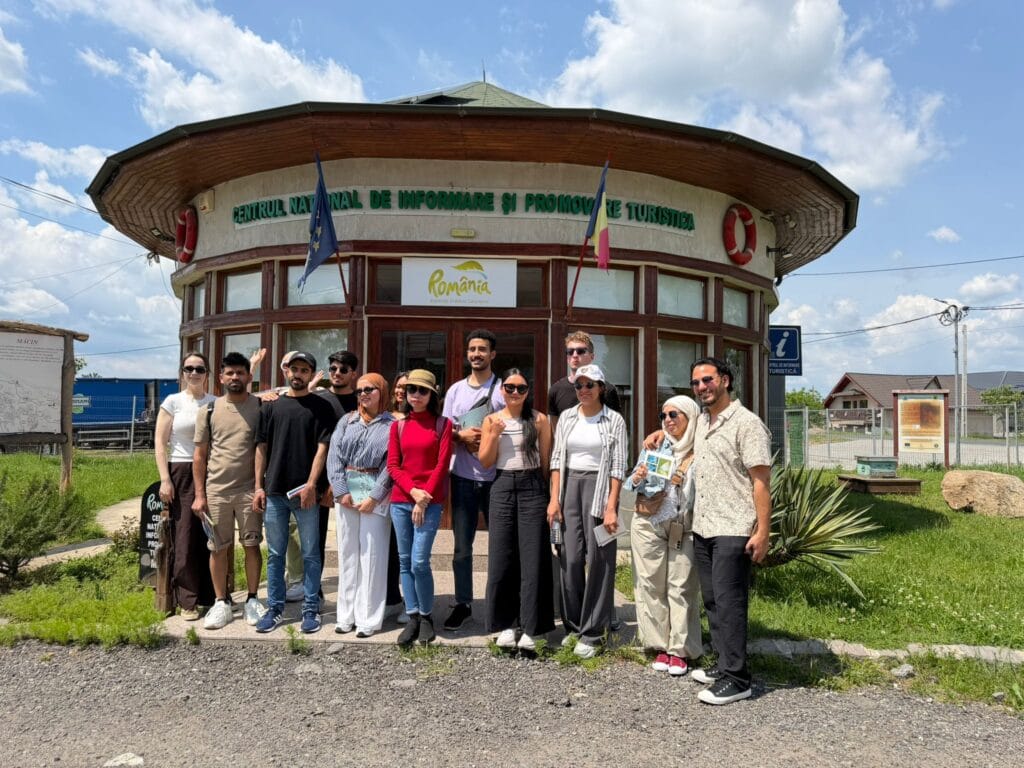
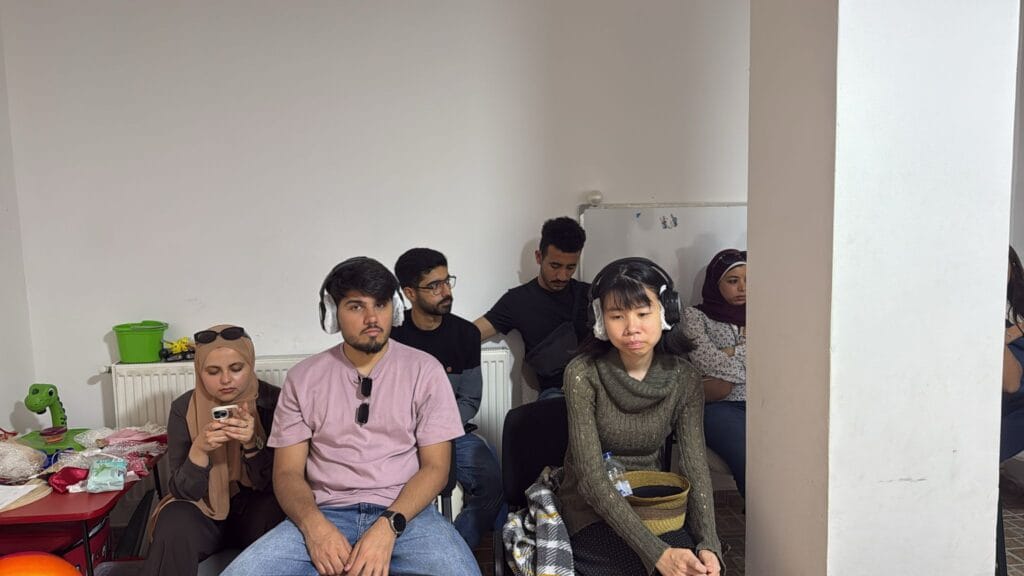
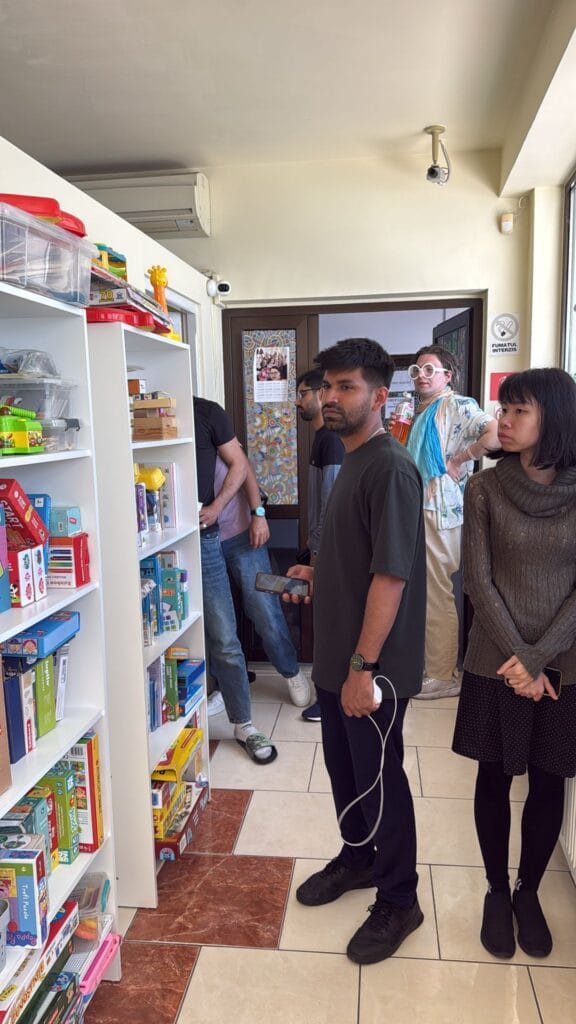
Between 22 and 30 May 2026, the project ‘AUF – Accelerating Ukrainian Futures‘ brought together educators, counsellors and support staff for an intensive job shadowing and learning mobility in Brăila and Bucharest, Romania. The activity was hosted by SC Psihoforworld in cooperation with Phoenix Knowledge Wings and focused on strengthening professional competences in inclusive education, digital learning, psychosocial support, employability, green skills and sustainable professional integration.
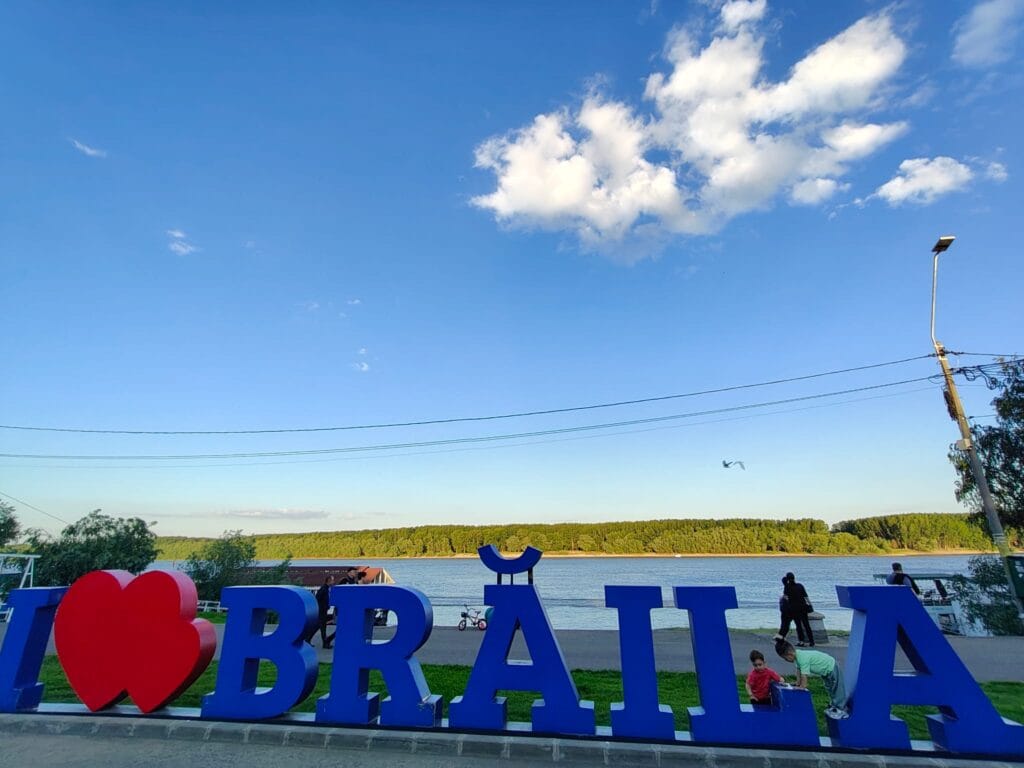
The mobility took place mainly in Brăila, a city located on the banks of the Danube River, known for its historical charm, multicultural heritage and peaceful atmosphere. The final part of the programme continued in Bucharest, where participants also took part in cultural learning activities.
The main objective of the activity was to improve the capacity of educators and support staff to work with vulnerable adult learners, especially refugees and people affected by trauma. The programme combined practical observation, professional exchange, non-formal learning methods, hands-on workshops and reflection sessions. Throughout the mobility, participants explored Romanian practices in education, psychology, health, digitalisation, green transition and labour market integration, with a strong focus on how these approaches can be transferred to their own organisations and communities.
Orientation and Applied Learning at the Neurofeedback and Psychology Center
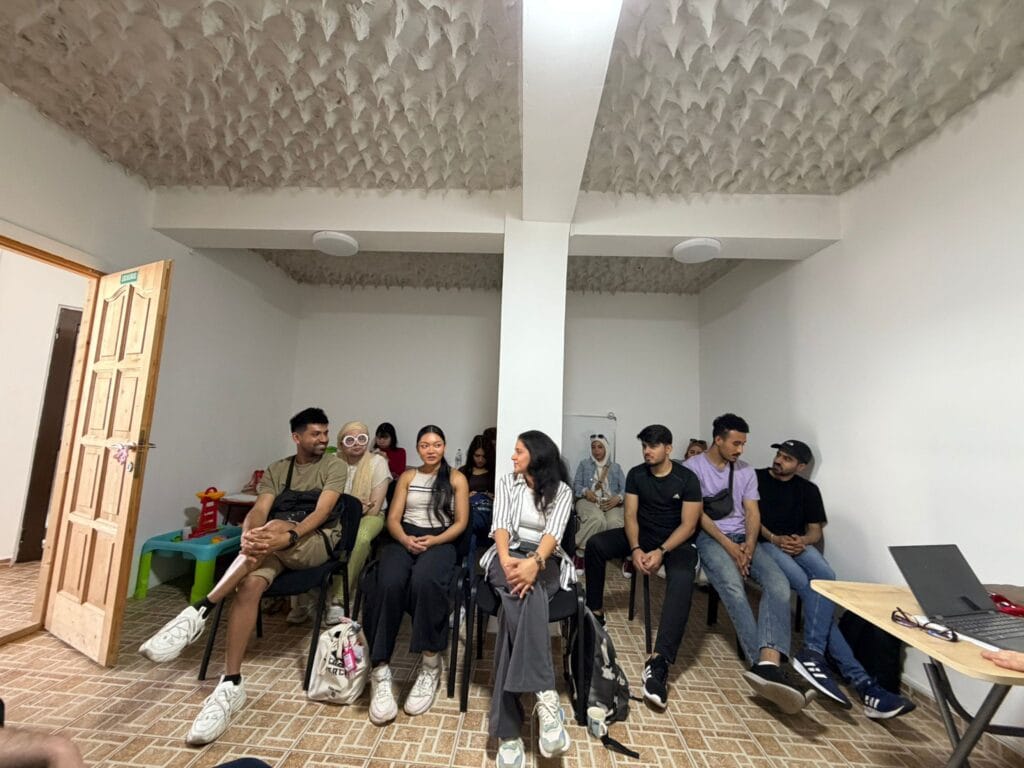
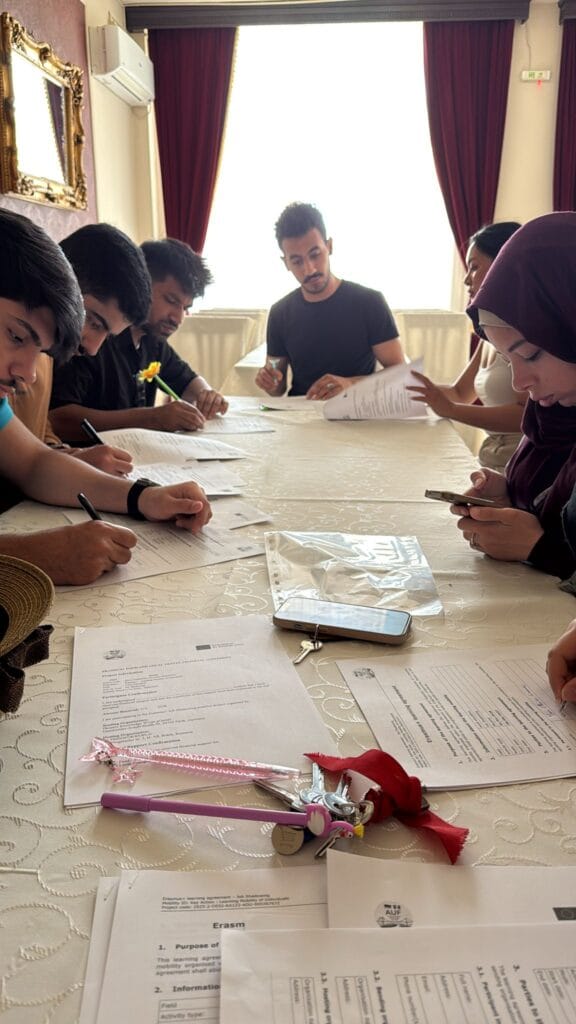
The first part of the mobility focused on orientation, group integration and applied learning at the Neurofeedback and Psychology Center in Brăila. Participants were welcomed by the host organisation, introduced to the SC Psihoforworld team and informed about the programme structure, working rules, professional ethics and GDPR principles.
During the visit to the Neurofeedback and Psychology Center, participants became familiar with therapeutic and educational approaches used in Romania. They learned about neurofeedback, behavioural therapy and psychological interventions, especially in relation to children with ADHD, ASD and other developmental or emotional challenges.
The participants observed activities connected to sensory integration, emotional self-regulation and attention support. A practical demonstration of neurofeedback equipment helped them understand the basic principles of this method and its relevance for improving concentration, emotional balance and self-regulation.
A mini-workshop encouraged participants to reflect on how these methods could be adapted to adult education. Particular attention was given to self-regulation techniques, emotional safety rules, anxiety-reduction strategies and the needs of vulnerable adults, including refugees and people who had experienced trauma. Intercultural exercises and group cohesion activities supported trust-building and created a positive learning environment for the following days.
Inclusive Education and Support Professions
Another important part of the programme took place at the Inclusive Education School Center in Brăila, where participants explored the roles of professionals involved in inclusive education, such as psychopedagogues, school counsellors and psychologists.
Participants learned about the principles of inclusive education, including equal opportunities, individualisation, curriculum adaptation and social integration. The presentations highlighted the responsibilities of different support professionals and showed how their work contributes to the educational, emotional and social development of beneficiaries.
Through job shadowing, participants observed adapted lessons for children with special educational needs, therapy activities such as speech therapy and sensory integration, and counselling approaches. They also visited counselling rooms, sensory spaces and adapted educational environments.
The practical workshop focused on transferring inclusive methods to adult education. Participants discussed how to create safe learning spaces, how to motivate vulnerable learners and how to use active listening, counselling simulations and anxiety-reduction techniques. Special attention was given to the needs of refugee women and other adults facing social, emotional or educational barriers.
This activity helped participants better understand how inclusive education principles can support adult learning, personal development, confidence and social integration.
Digitalisation, E-Learning and Tools for Employability
The mobility also included a full training component dedicated to digital competences, e-learning and employability tools. Participants explored how digital skills can improve access to education, communication and employment opportunities for vulnerable adults.
The activities started with a workshop on functional digital literacy. Participants worked on the efficient use of the internet, online information searching, creating and managing a professional email account, online safety and data protection. They also explored digital tools used for job searching, professional networking and online applications.
A practical session was dedicated to digital CV creation. Participants used platforms such as Canva and Europass to create modern and tailored CVs and discussed how a CV can be adapted for different job opportunities. Online interview simulations were also organised, allowing participants to practise communication, self-presentation and preparation techniques for video interviews.
The e-learning and gamification sessions introduced the advantages of online and blended learning for vulnerable adults, especially flexibility, accessibility and personalised support. Participants explored interactive tools such as Kahoot, Quizizz and LearningApps and created short digital activities, such as quizzes or employability exercises.
The discussions also addressed digital anxiety and low digital competences among vulnerable learners. Participants identified practical solutions such as step-by-step learning, visual instructions, microlearning, individual support and intuitive digital materials.
As a result, participants strengthened their ability to design accessible digital learning activities and to support learners who face barriers in using technology.
Health, Wellbeing and Work Capacity
A key topic of the mobility was the connection between health, wellbeing, stress and work capacity. The sessions, led by a medical doctor, helped participants understand how physical and mental health influence learning, motivation, employability and participation.
Participants explored the concept of being “fit for work” from a medical perspective and discussed how stress, anxiety and burnout can affect performance. The training also addressed mental health and trauma, including normal reactions to traumatic experiences, anxiety, depression, somatisation and situations where specialised intervention is needed.
The practical wellbeing workshop introduced breathing exercises, relaxation techniques, anxiety-reduction methods and emotional self-regulation strategies. Participants reflected on how such techniques can be integrated into adult education through daily emotional check-ins, active breaks and safe learning routines.
Case study activities helped participants analyse the situation of vulnerable beneficiaries, such as refugee women experiencing anxiety, and identify appropriate support measures. The discussions focused on recognising risk signals, adapting activities and preventing dropout caused by stress or emotional difficulties.
This part of the programme contributed to the development of psychosocial support competences and offered concrete tools that can be used in educational, counselling and community-based activities.
Fashion Design and Professional Integration
The programme also included an activity focused on fashion design and the textile industry as a possible pathway for professional integration, creativity and entrepreneurship. Guided by a textile engineer, participants learned about career opportunities in tailoring, design, production, retail and small-scale independent work.
The activity introduced the role of the engineer in the textile industry, the clothing production process, types of materials, quality control and basic notions of fashion design, including colour, shape, style, functionality and aesthetics.
During the practical workshop, participants engaged in creative exercises such as sketching a simple clothing item, choosing suitable materials and exploring basic sewing and adjustment techniques. The discussions also focused on how textile objects, accessories or handmade products can become starting points for income-generating activities.
The entrepreneurship component helped participants understand how fashion design can support professional integration, especially for people who need flexible, creative or home-based work opportunities. Examples of small businesses, online promotion platforms, start-up costs and first steps for launching an activity were presented and discussed.
This activity highlighted the value of manual and creative work for reducing stress, building confidence and supporting vulnerable people to progress at their own pace.
Sustainable Aquaculture and Recirculating Systems
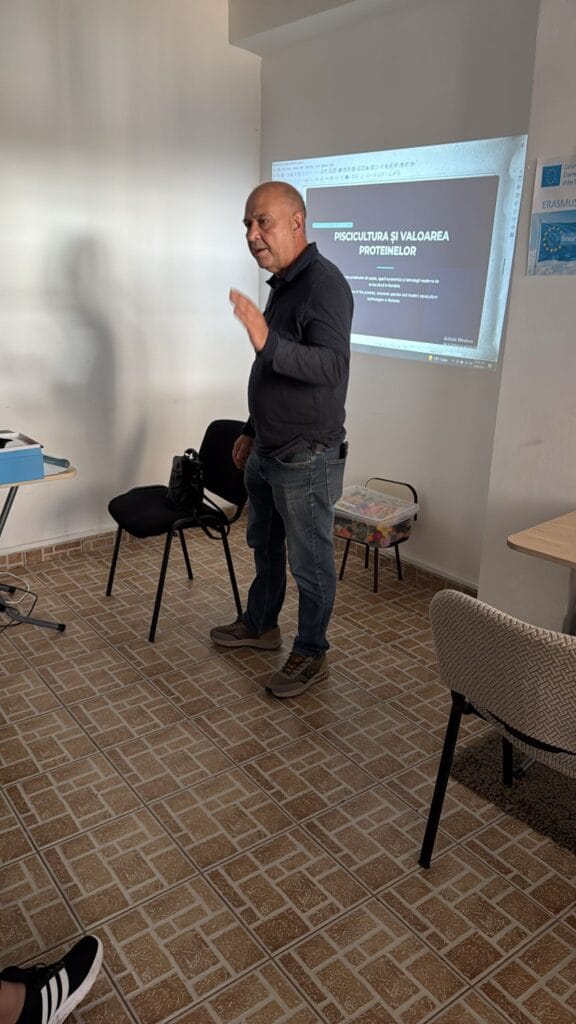
Participants also explored sustainable aquaculture and recirculating aquaculture systems, known as RAS. This activity connected the project objectives with the Erasmus+ priorities of green transition and inclusion.
The training introduced the concept of aquaculture, different production systems and the role of aquaculture in the European economy. Participants learned about RAS systems, including water circulation, biological and mechanical filtration, oxygenation, digital monitoring and environmental control.
The activity also focused on the competences required in this field, including basic technical skills, digital competences related to sensors and monitoring, and transversal competences such as responsibility and teamwork. Participants reflected on how vulnerable adults can be supported to access technical fields through non-formal education, gradual skills development and workplace adaptation.
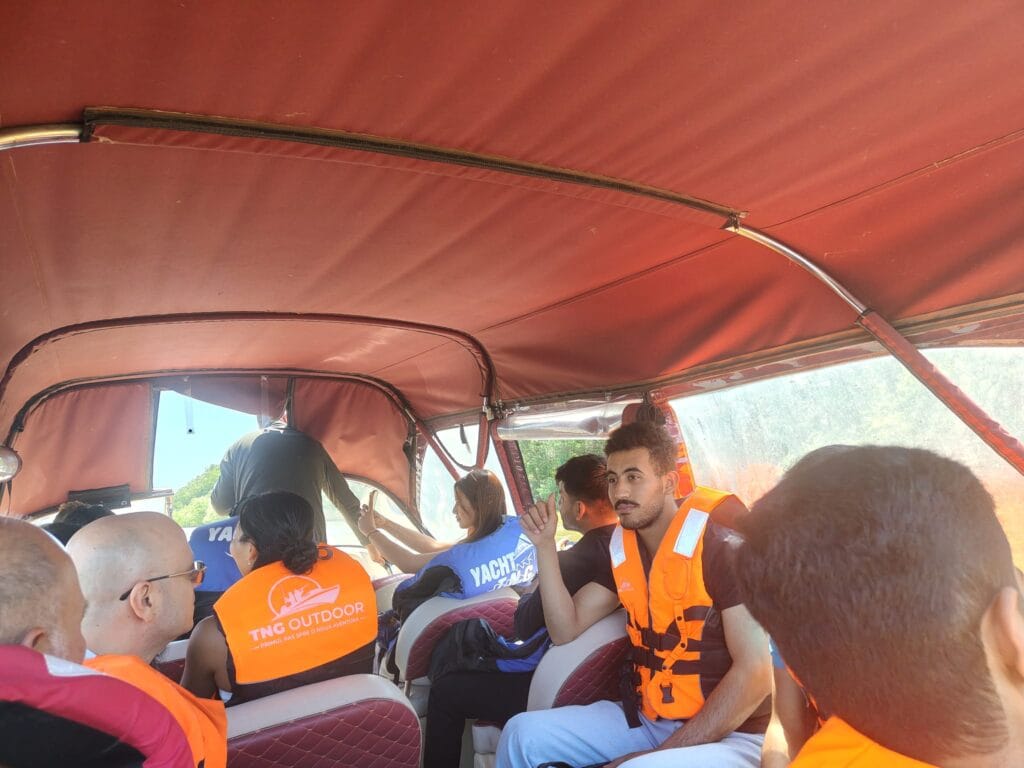
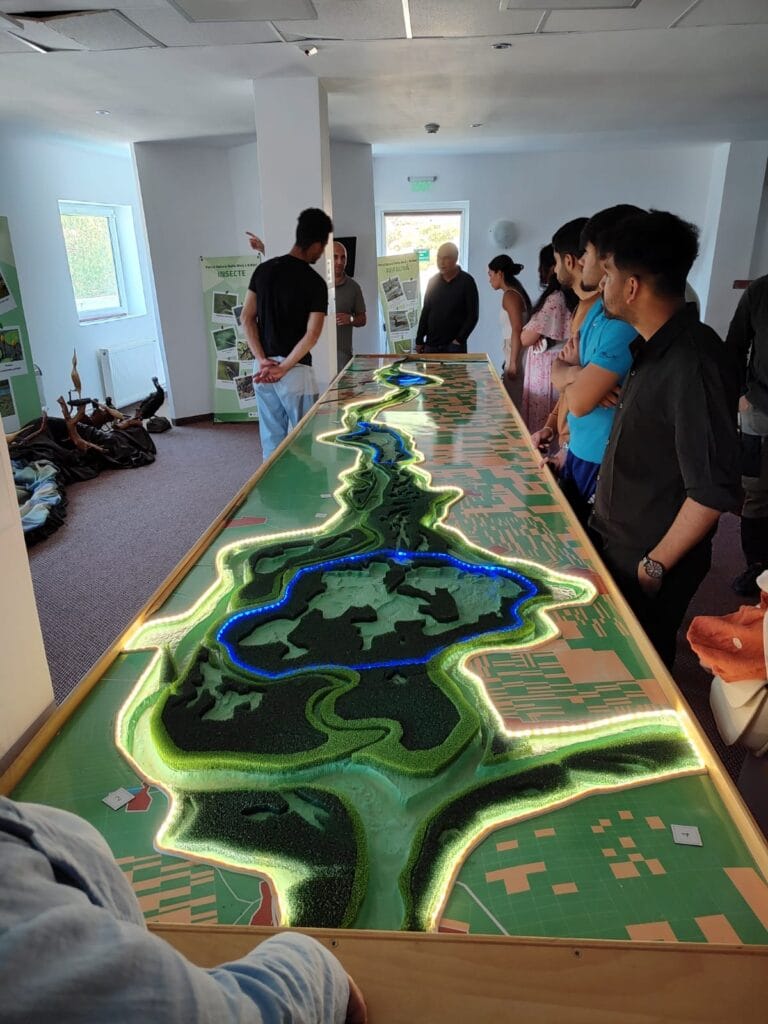
A practical visit to a fish farm using a recirculating system allowed participants to observe tanks, fish species, feeding processes, filtration systems, oxygenation and water parameter control. Discussions with specialists helped participants understand real working conditions, employment requirements, challenges and possible solutions.
This activity encouraged participants to consider alternative professions, green economy models and professional reconversion opportunities for adult learners.
Modern Agriculture and Applied Technologies
Another learning component focused on modern agriculture, precision agriculture and sustainable green skills. Led by an agronomist engineer, the activity presented the evolution of agriculture from traditional methods to modern and digital approaches.
Participants learned about the role of agriculture in the European economy, different agricultural activities such as field work, greenhouses and mixed farms, and the increasing importance of technology in this sector. Topics included GPS, sensors, drones, smart irrigation systems, soil and crop monitoring and the digitalisation of agricultural processes.
The sessions also addressed the competences required for agricultural workers, including practical skills, basic digital competences and transversal competences such as adaptability, teamwork and responsibility. Sustainable agriculture practices, including crop rotation, reduced pesticide use and protection of soil and water resources, were discussed as part of the green transition.
Practical demonstrations included identifying soil types, understanding crop requirements, presenting equipment and digital applications, and planning a basic agricultural activity. Participants reflected on which agricultural tasks are suitable for vulnerable adults and how green competences can be integrated into training programmes.
This activity showed how agriculture can become a pathway for employment, apprenticeship and social inclusion.
Results and Impact
The AUF mobility in Romania contributed significantly to the professional development of educators, counsellors and support staff. Participants gained direct exposure to Romanian practices in inclusive education, psychology, digital learning, wellbeing, vocational orientation, green skills and professional integration.
Through observation, workshops, practical visits and reflection sessions, participants improved their capacity to design safer, more inclusive and more engaging learning environments for vulnerable adults. They acquired practical tools for supporting learners affected by trauma, anxiety, low digital competences or social exclusion.
The activity also helped participants identify new pathways for employability, including digital CV creation, online job searching, creative industries, aquaculture, agriculture and entrepreneurship. At the same time, it promoted the importance of psychosocial support, emotional safety and individualised learning in adult education.
The mobility strengthened cooperation between European organisations and supported the modernisation of adult education services. By bringing together therapeutic, educational, digital and vocational approaches, AUF – Accelerating Ukrainian Futures contributed to higher-quality learning opportunities and more inclusive support systems for refugee learners and vulnerable adult communities.
The experience in Romania created a strong foundation for future collaboration, innovation and transfer of good practices at European level.