From March 10 to 16, 2025, Antalya, Turkey became the vibrant setting for an inspiring educational project that brought together youth and educators from different cultural backgrounds. Organized in collaboration with our partner institution, Pixie Akademie, the initiative consisted of two structured one-week mobilities designed to promote multiculturalism, social integration, and cooperation through the powerful mediums of art and sport.
Project Planning and Preparation
Prior to the start of the mobilities, we conducted detailed planning sessions in virtual meetings with Pixie Akademie. Following the selection of participants, we initiated the project preparations, which included forming a dedicated management team within our institution. This team was responsible for selecting participants based on project goals and suitability.
He signed a formal agreement that outlined their roles and responsibilities. Upon completion of the administrative process, we finalized the training program and logistical arrangements. Participant managed their own travel and accommodation, encouraging independence and responsibility.
First Mobility: Understanding Multiculturalism Through Art and Culture
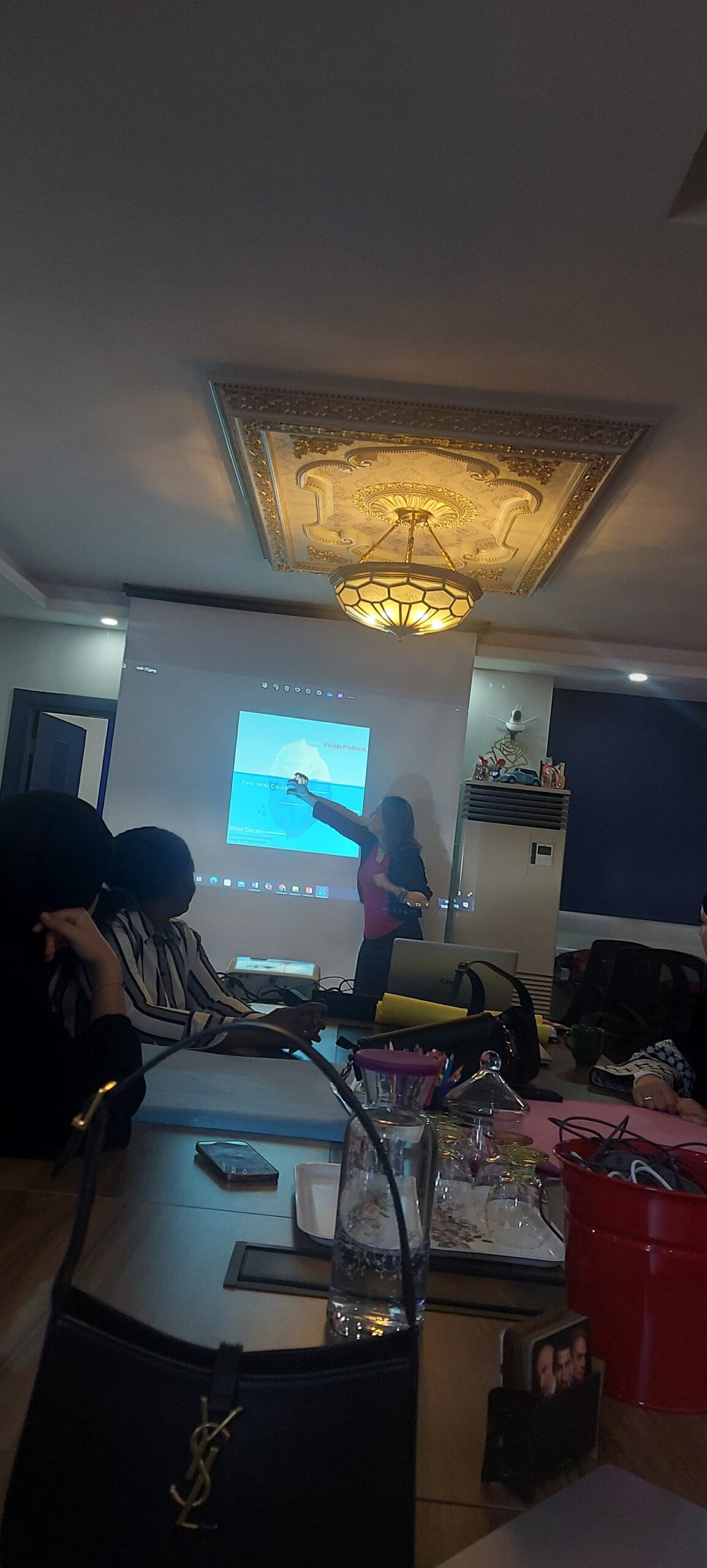
The first week focused on introducing participants to the concept of multiculturalism and encouraging them to explore and appreciate diverse cultures through art. The program began with an introductory session and a project kick-off meeting, during which participants took a pre-test assessing their understanding of multiculturalism and its significance.
On the second day, Omer engaged in a traditional Ebru (marbling) workshop. Working in mixed groups, they created artistic pieces that reflected unity in diversity. This hands-on activity provided a tactile and visual metaphor for cultural blending.
The third and fourth days were dedicated to a drama workshop for cultural diversity. Here, participants explored body language, empathy, and respect by crafting and presenting short skits. These performances encouraged emotional expression and cross-cultural empathy.
Later in the week, participant learned about the influential philosopher and poet Mevlana Rumi and explored his works. This led to the creation of digital posters focused on the theme of multiculturalism, which were then presented to the group
On the sixth day, a culinary workshop introduced participants to Turkish cuisine,fostering cultural understanding through shared meals.
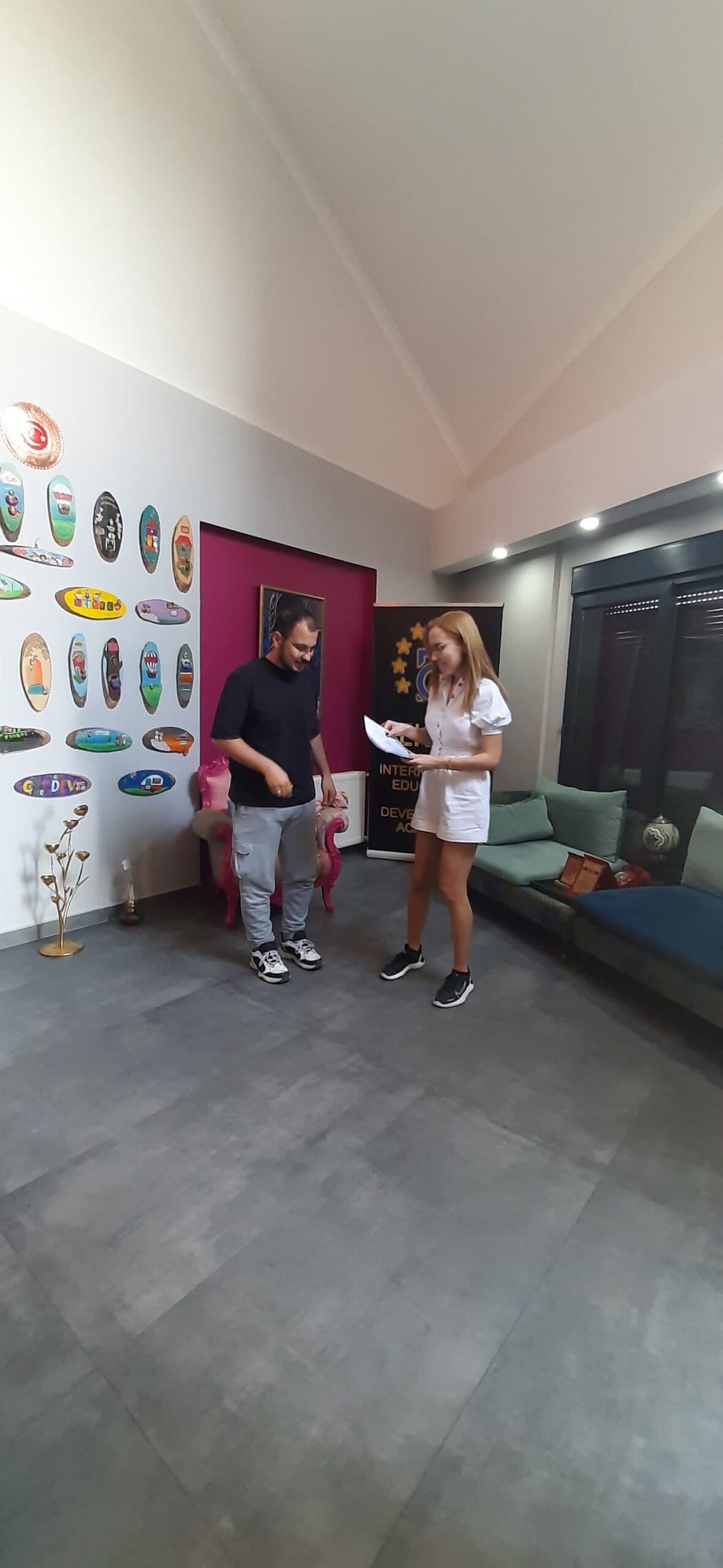
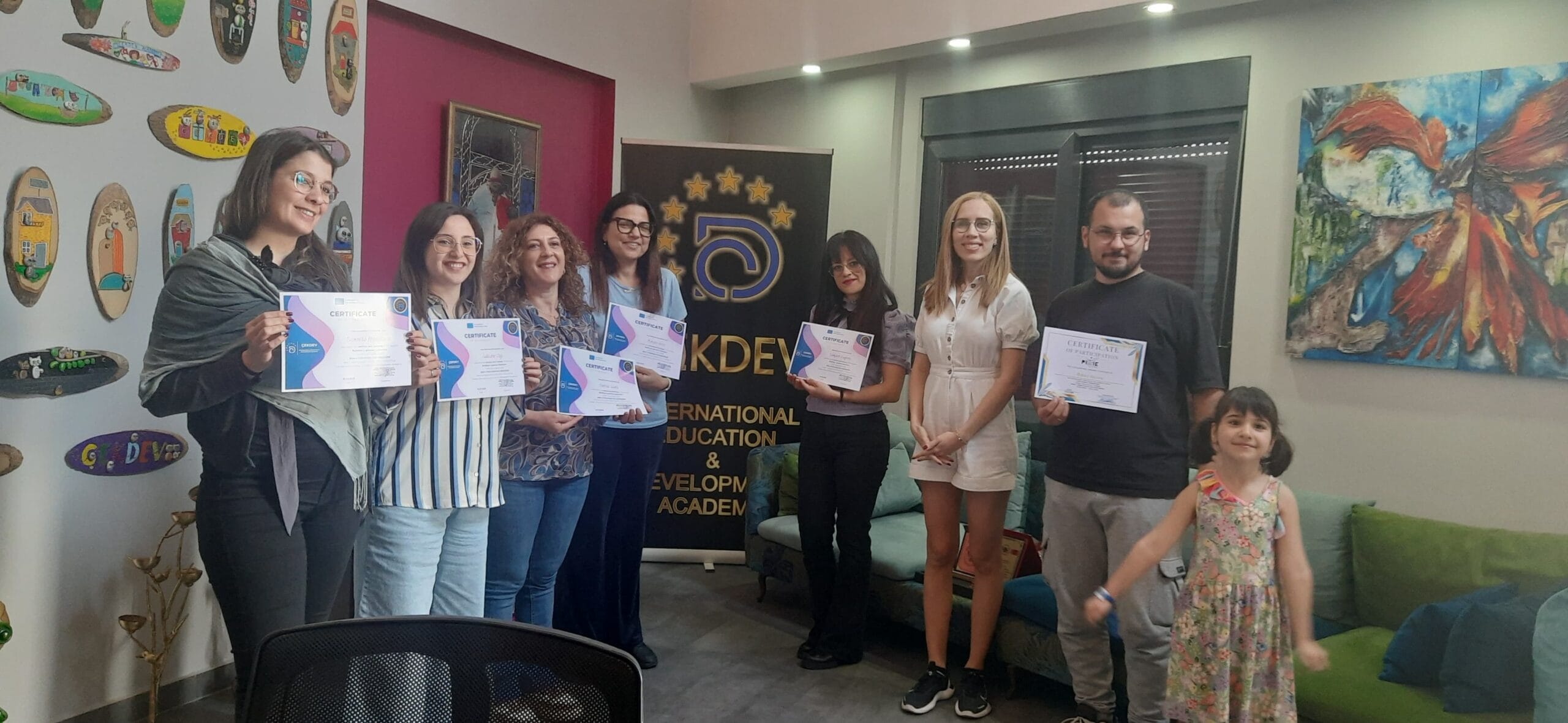
The week ended with a post-test to evaluate the participants’ growth in knowledge and perspective. Certificates of participation were awarded, and the participants reflected on their experiences during a final cultural excursion.
Second Mobility: Promoting Integration Through Art and Sport
Running concurrently, the second mobility targeted the themes of social integration, teamwork, and cultural harmony, combining physical activities with creative expression.
After the initial welcome and pre-test, the participants took part in a friendly volleyball match. The activity emphasized collaboration and mutual respect across cultural boundaries.
During the walk, they collected natural materials such as pinecones, stones, and tree bark, which were later used in artistic activities.
On the third day, these natural elements were transformed into collaborative artworks under the theme “Connecting Cultures.” The creative process encouraged communication, environmental awareness, and cultural expression.
Participants then spent a day preparing dance and music presentations inspired by their own cultural traditions. These performances fostered pride in cultural heritage while celebrating diversity in a joyful, expressive environment.
Drama workshops resumed on the fifth day, once again at Art Atelier, with a focus on short performances that highlighted empathy and social harmony. These were presented to peers in a supportive atmosphere.
The sixth day featured a collaborative mural painting activity followed by an excursion reinforcing team spirit and cultural immersion.
The final day of the second mobility mirrored the first: a post-test assessed learning outcomes, certificates were distributed, and participants shared their insights.
Conclusion
Over the course of one week, the Omer joined different participants engaged in an enriching blend of experiential learning, cultural discovery, and interpersonal growth. By merging artistic and athletic activities with guided reflection and structured discussions, both mobilities succeeded in their mission: to promote multicultural understanding, overcome prejudice, and build bridges between young people from diverse backgrounds.
This project stands as a testament to the transformative power of education when paired with creativity, cooperation, and cultural openness.