Introduction – Bacharach, Germany
Project Goals – KA154-YOU Project (2024-1-DE04-KA154-YOU-000232136)
11–17 April 2025
The European Identity and Citizenship Workshop, held in Bacharach, Germany, brought together young people—particularly those from disadvantaged backgrounds—for a transformative 7-day experience. Through a series of interactive workshops, creative sessions, and group discussions, participants explored themes of European identity, citizenship, values, and youth participation.
Day 1 – 11 April 2025
Welcome and Laying the Foundation
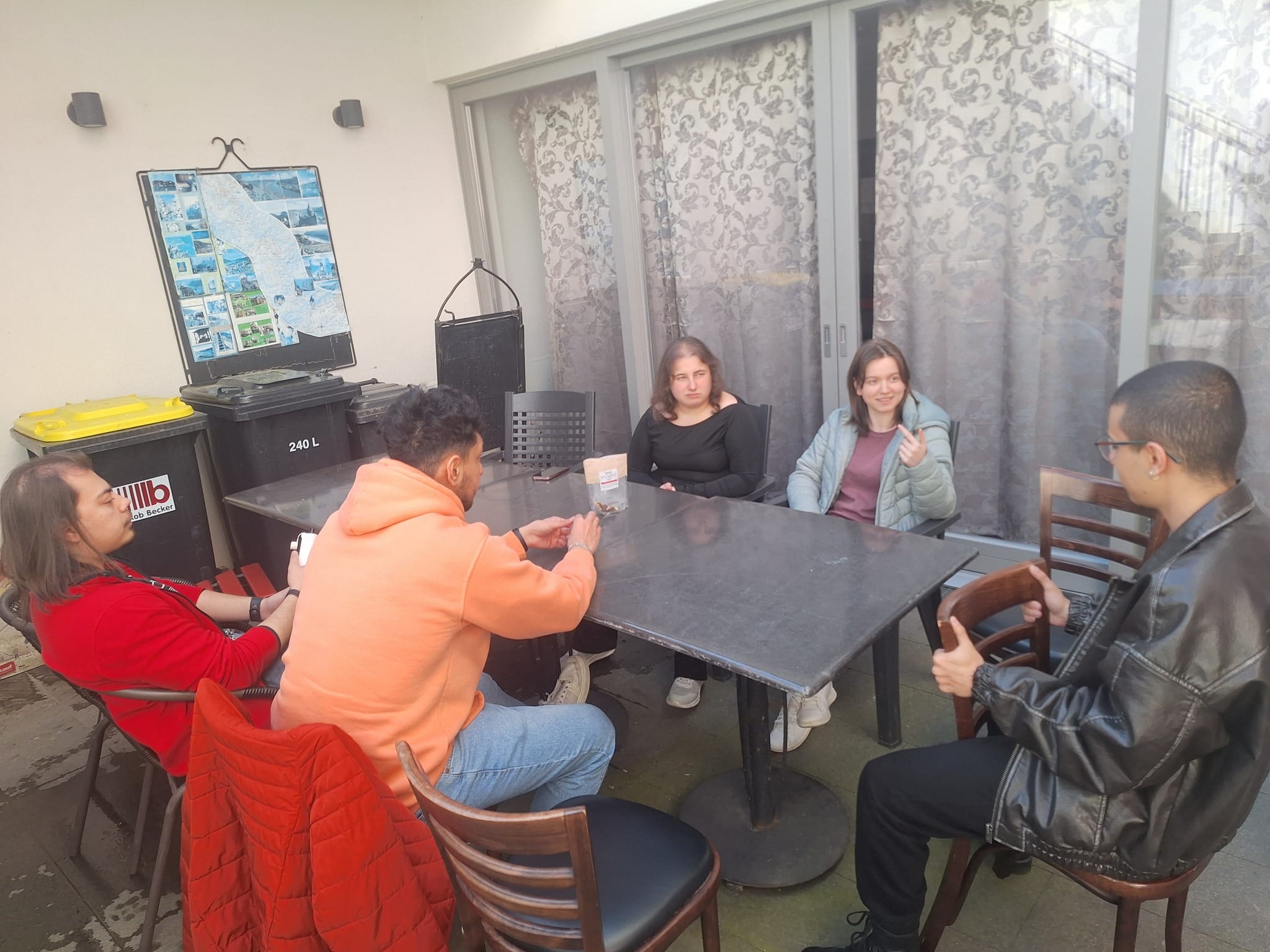
The opening day began with participant registration and a welcoming session, where the project team introduced the goals and significance of the workshop. Ice-breaker activities created a safe and inclusive space, particularly for disadvantaged youth, to connect and engage.
A dedicated workshop on personal storytelling followed, focusing on creating a platform for youth to share their lived experiences. In the afternoon, youth work experts shared insights into supporting marginalized communities in Germany. Participants engaged in interactive sessions on how professional support can enhance youth empowerment.
Day 2 – 12 April 2025
Non-Formal Learning and Forward Planning
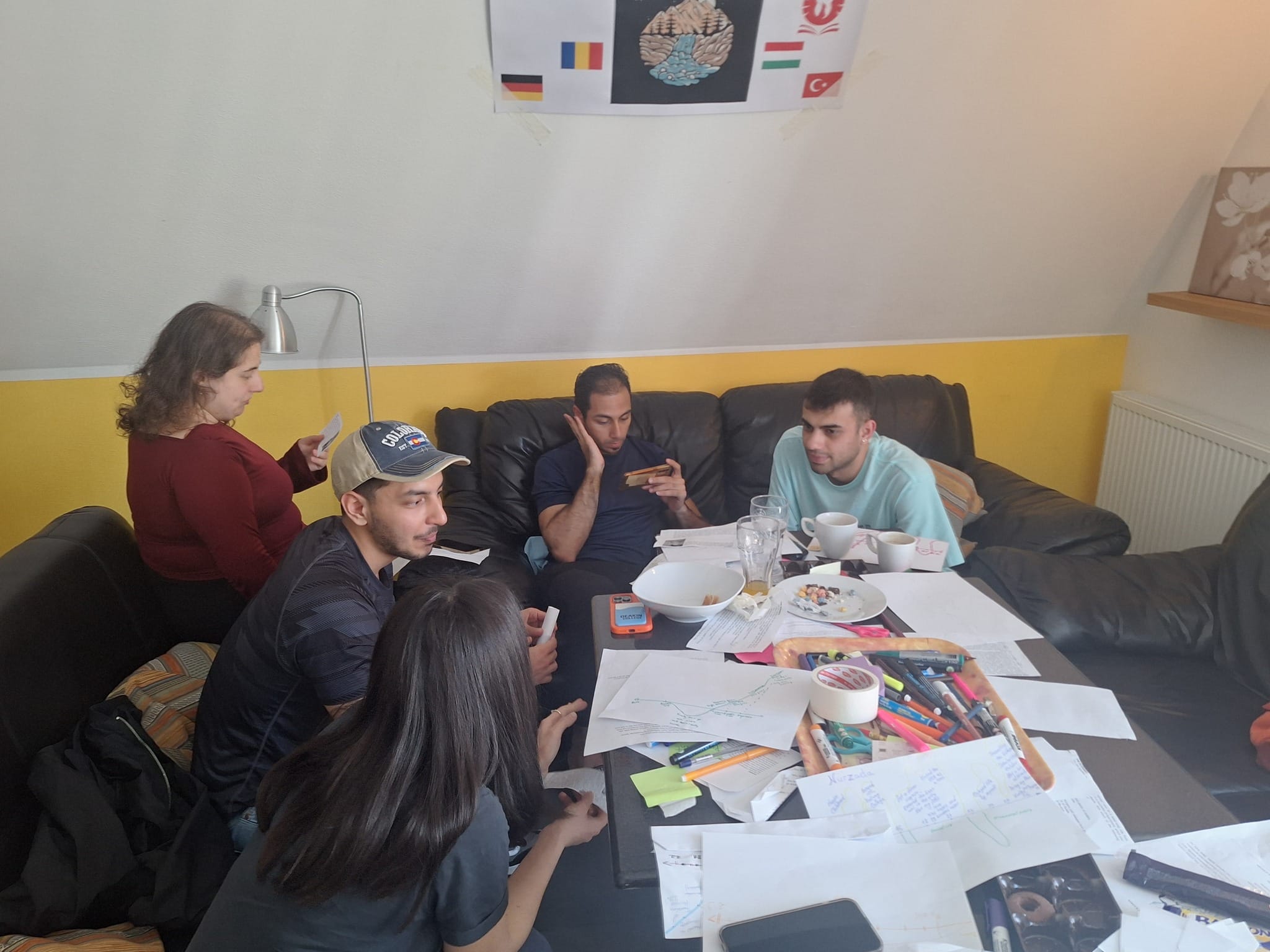
This day was centered on non-formal education, where participants worked in groups to reflect on Day 1 and brainstorm future actions. Using creative and collaborative methods, the young people began planning their contributions to the larger project framework, promoting teamwork and long-term thinking.
Day 3 – 13 April 2025
European Identity, Citizenship, and Visual Expression
The day began with a recap and a look ahead. Experts facilitated interactive presentations on European identity, citizenship, and core EU values. In the afternoon, participants took part in a guided workshop to express their interpretations of these themes through visual projects, working collaboratively to plan their creative outputs and clarify individual contributions.
Day 4 – 14 April 2025
Project Completion and Peer Evaluation
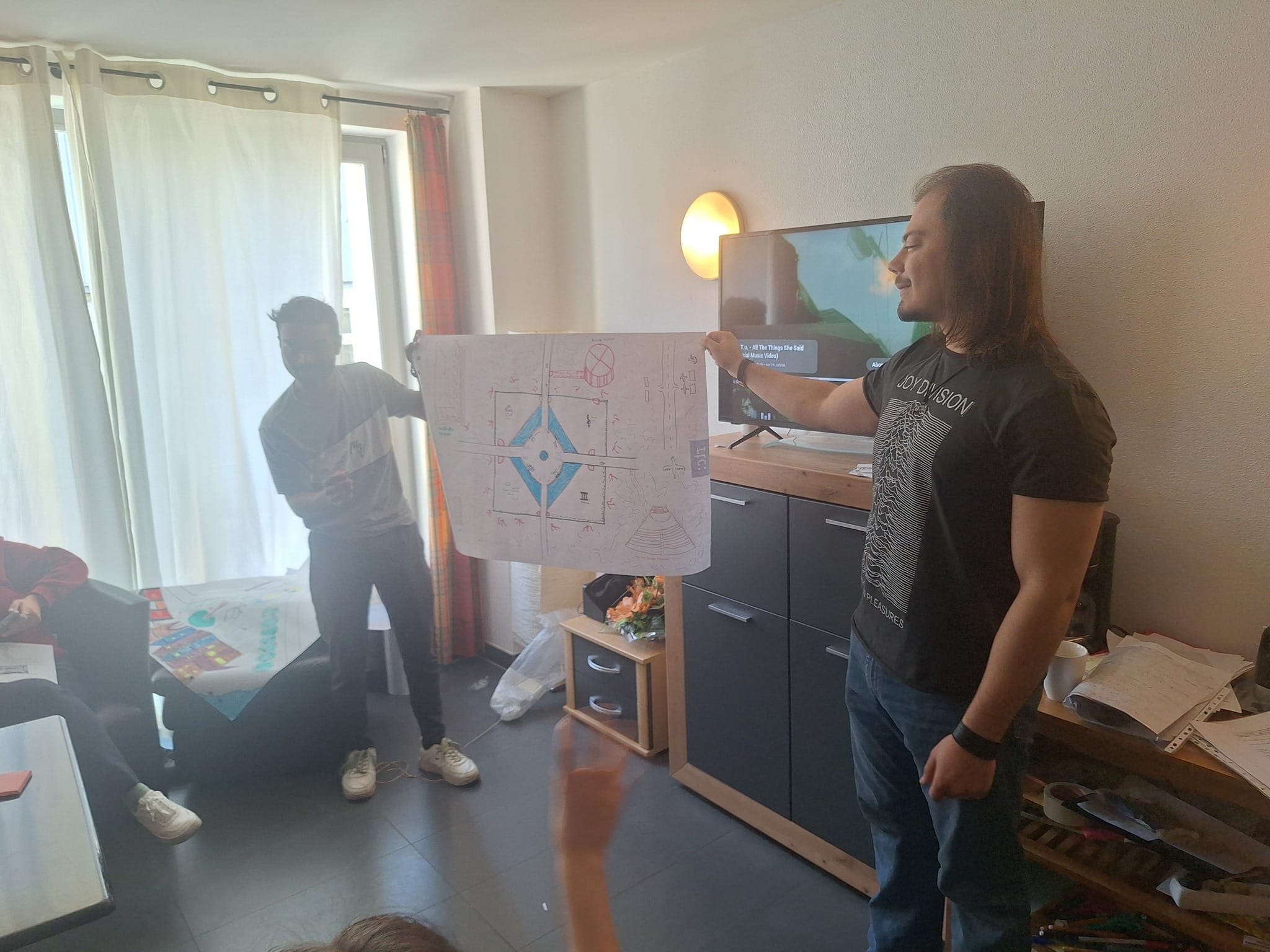
Participants continued to work on their visual projects, receiving support during group sessions and Q&A discussions. In the afternoon, the visual projects were presented in an exhibition format, followed by feedback and evaluation from both peers and experts. The day celebrated creativity, intercultural understanding, and youth-led storytelling.
Day 5 – 15 April 2025
Differences, Similarities, and Cultural Reflection
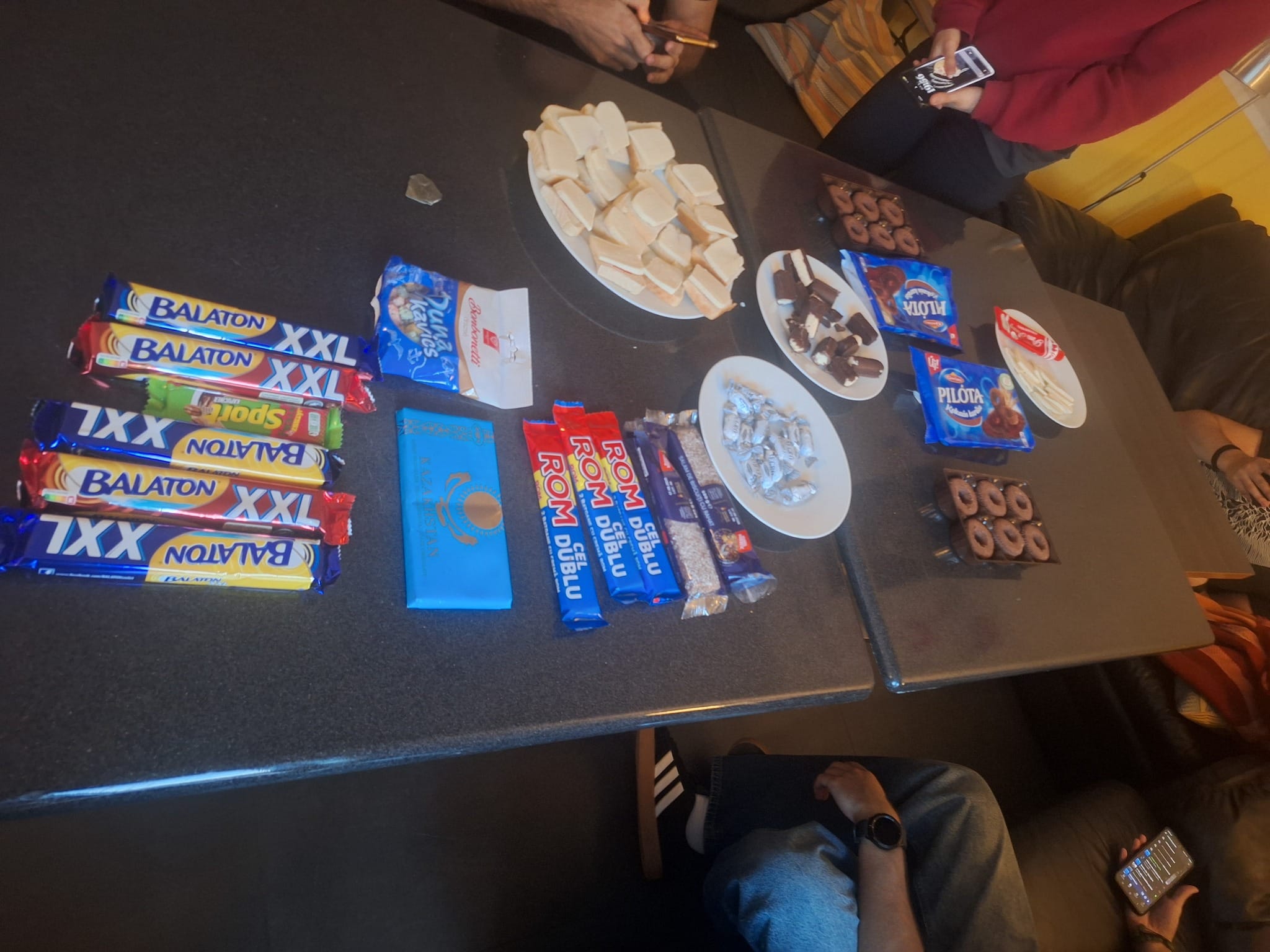
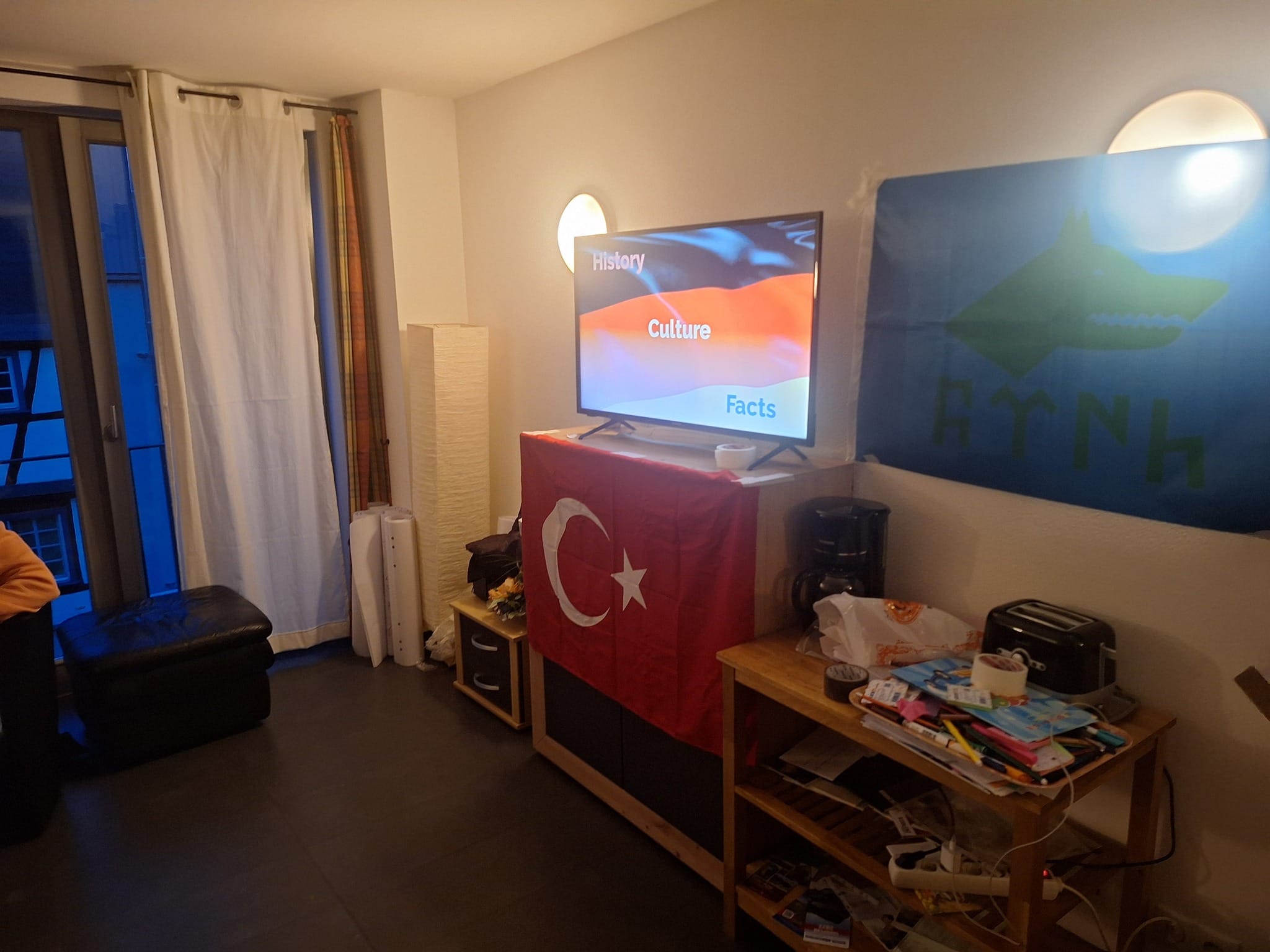
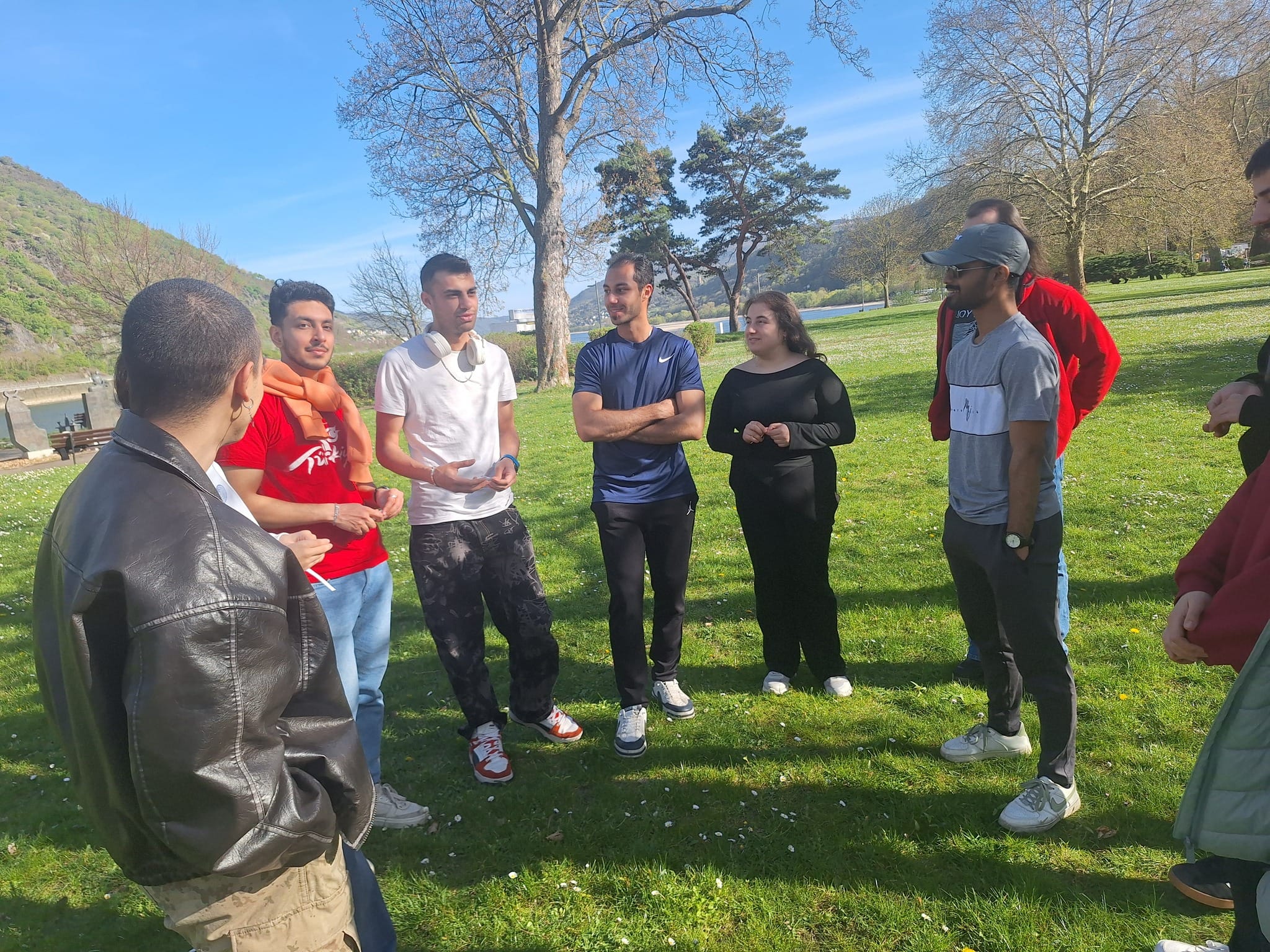
Through guided discussions and structured exercises, participants explored cultural, social, and political similarities and differences between their home countries and broader European values. In small discussion groups, they shared personal insights and reflected on their growing understanding of European identity.
Day 6 – 16 April 2025
Comparative Analysis and Active Citizenship in Practice
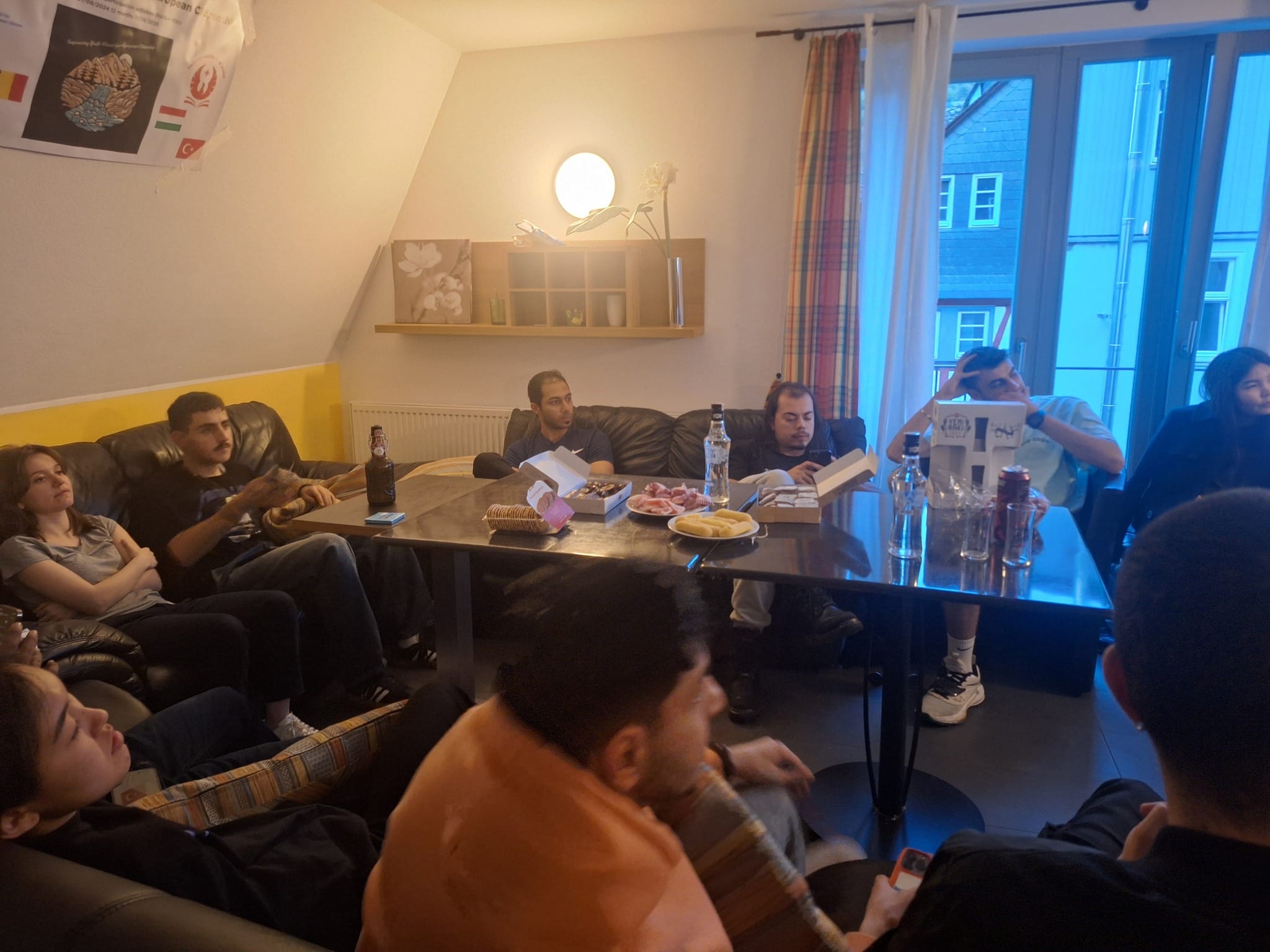
Group discussions continued, with participants summarizing their key findings and preparing short presentations. In an open forum, each group presented their reflections on identity, citizenship, and diversity. The day ended with a city-based activity, encouraging participants to interact with local residents and gather real-life examples of active citizenship in action.
Day 7 – 17 April 2025
Establishing Personal Positions and Closure
The final day provided space for individual reflection and group synthesis. The morning began with a brief overview of the day’s plan and a recap of previous insights. A facilitated workshop guided participants to reflect on what they had learned throughout the week and to determine and articulate their personal positions on European identity, citizenship, and shared values.
Participants engaged in both individual and collaborative exercises to express their perspectives, using tools such as written statements, drawings, or role-play activities. This helped solidify the internalization of their learning journey.
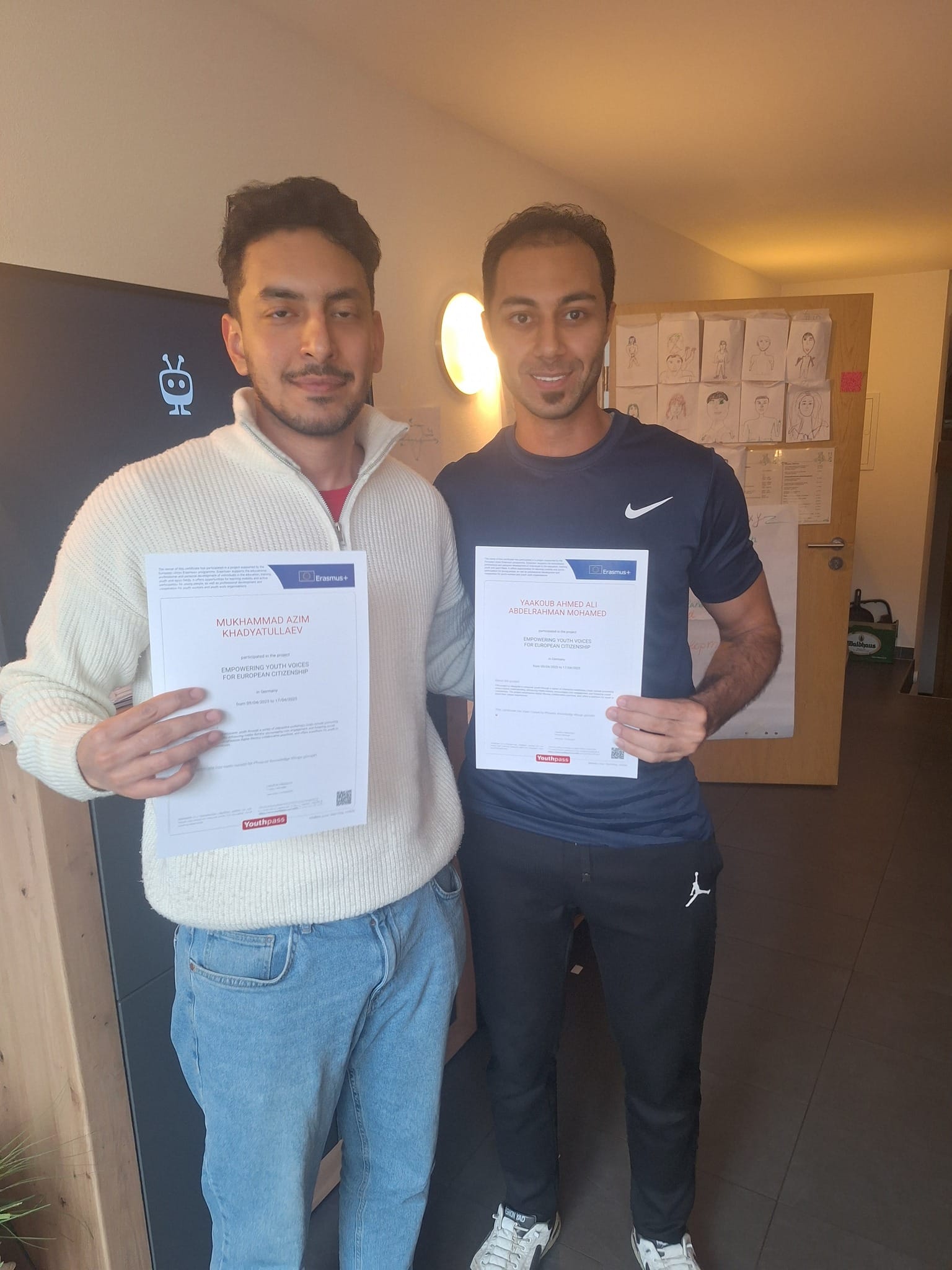
As the workshop drew to a close, participants were awarded Youthpass certificates, recognizing their non-formal learning achievements. A dedicated Youthpass session helped participants reflect on their newly developed competences and how to apply them in their personal, social, and professional lives.
This 7-day workshop concluded with a strong sense of achievement, empowerment, and intercultural connection. Participants left not only with greater knowledge of European identity and citizenship but also with enhanced self-awareness, new friendships, and motivation to act as ambassadors for inclusion, democracy, and active citizenship within their own communities.