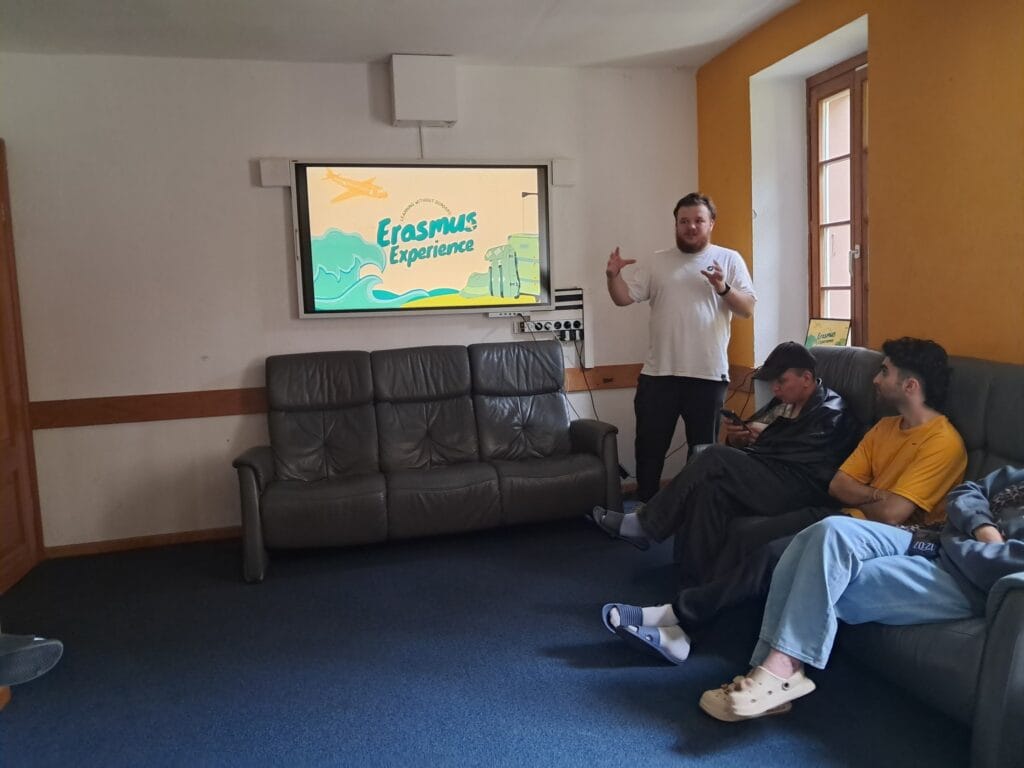
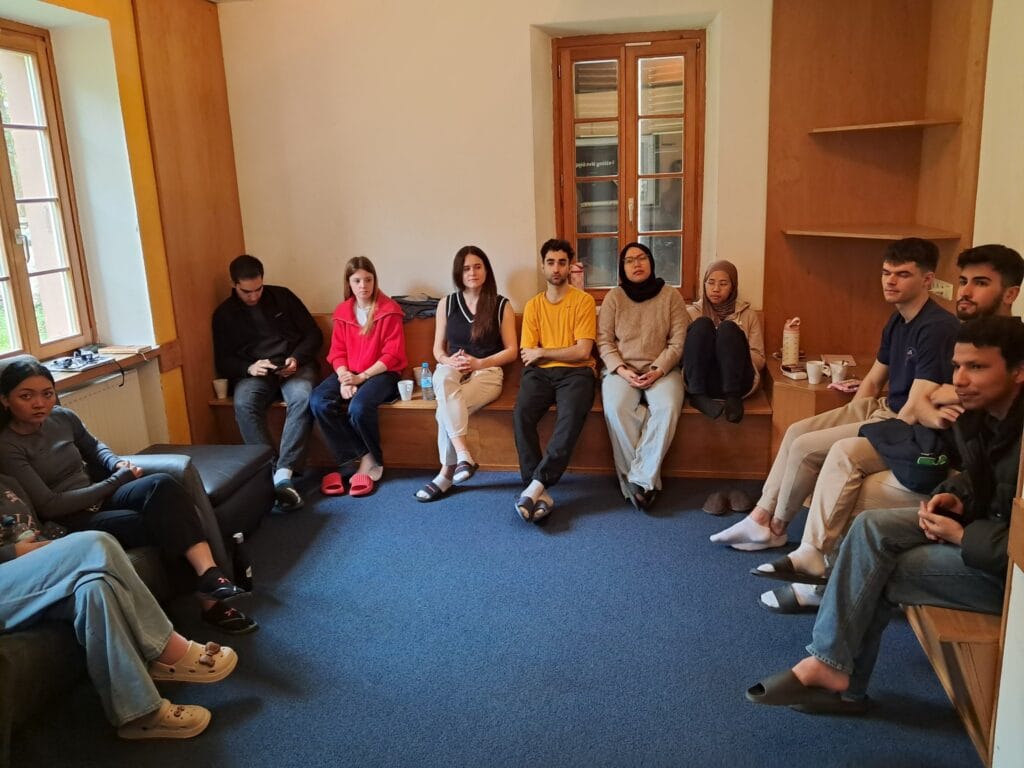
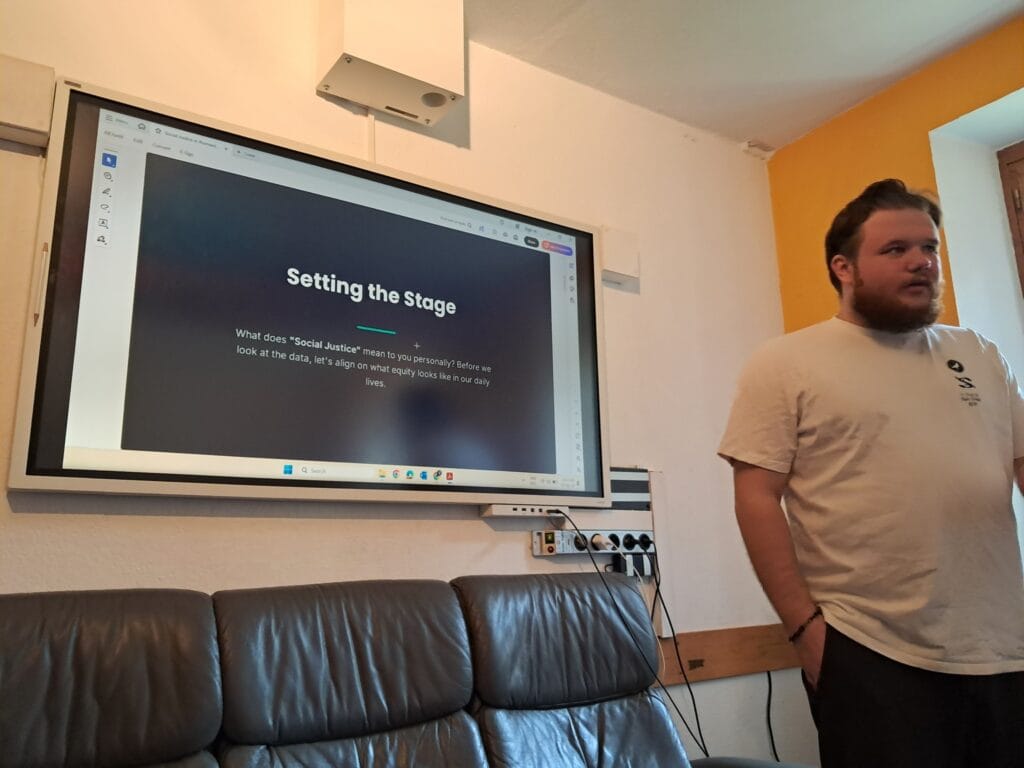
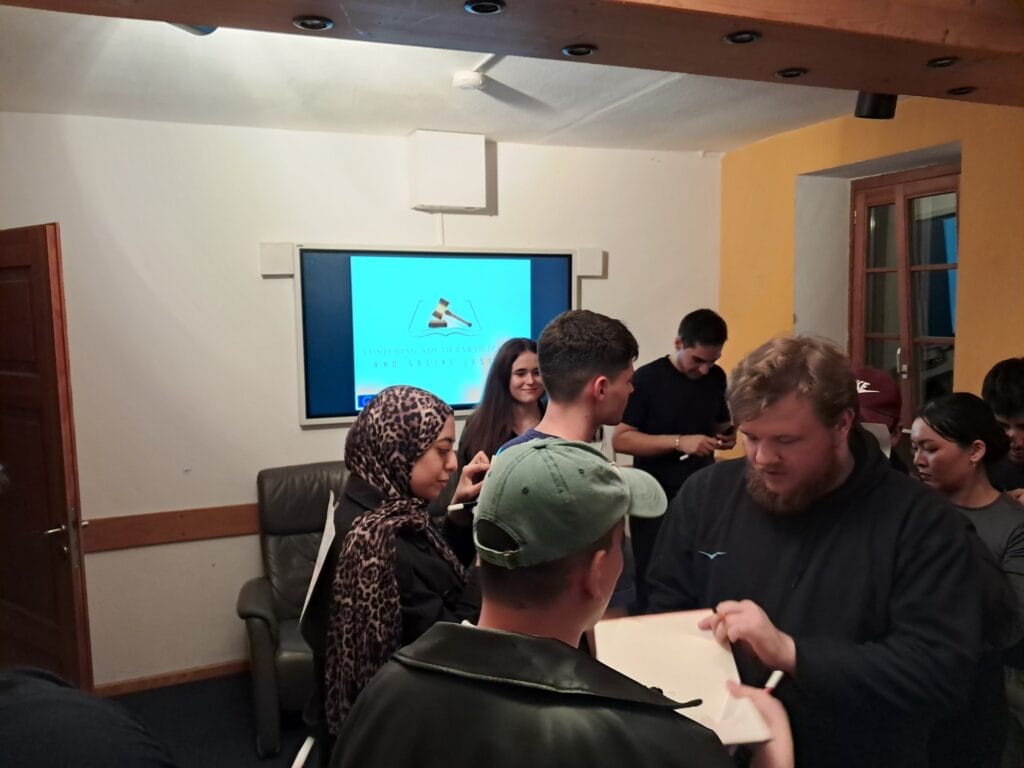
From 29 March to 6 April 2026, young participants from Romania, Germany, Türkiye, and Hungary came together in Germany for the Erasmus+ youth participation activity “Fostering Youth Participation and Social Justice”, project number 2024-3-DE04-KA154-YOU-000271505. Organised under the theme Civic Engagement and Community Leadership, the workshop created a dynamic international learning space where young people could explore social justice, strengthen their civic voice, develop practical leadership competences, and understand how youth participation can become a real force for change in local and European communities.
The mobility began with the arrival of participants in Germany on 29 March 2026, followed by an intensive programme of non-formal education activities, discussions, simulations, public interaction, creative workshops, and reflection sessions. The departure took place on 6 April 2026, after a week that combined personal growth, teamwork, intercultural learning, and concrete preparation for future civic action.
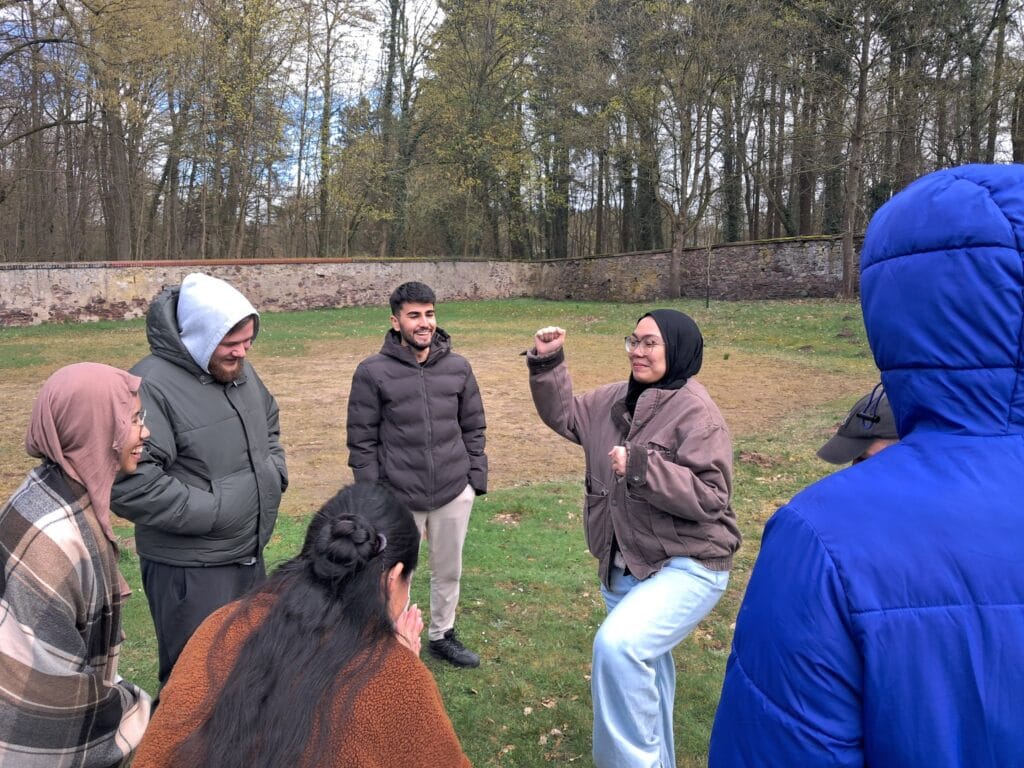
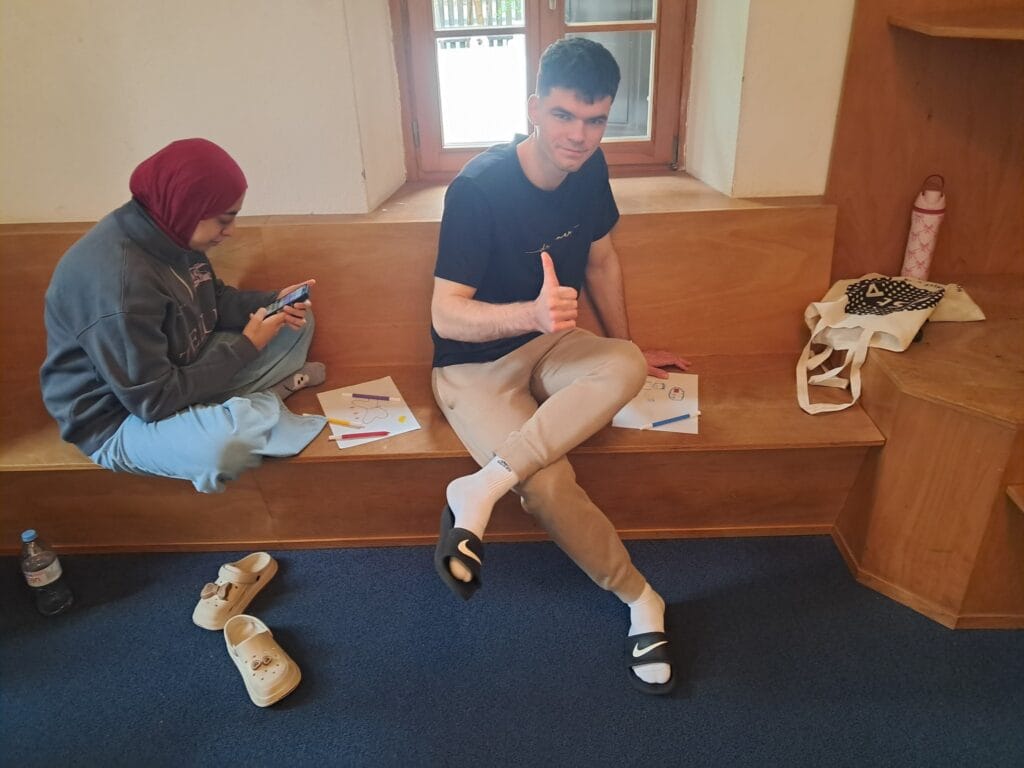
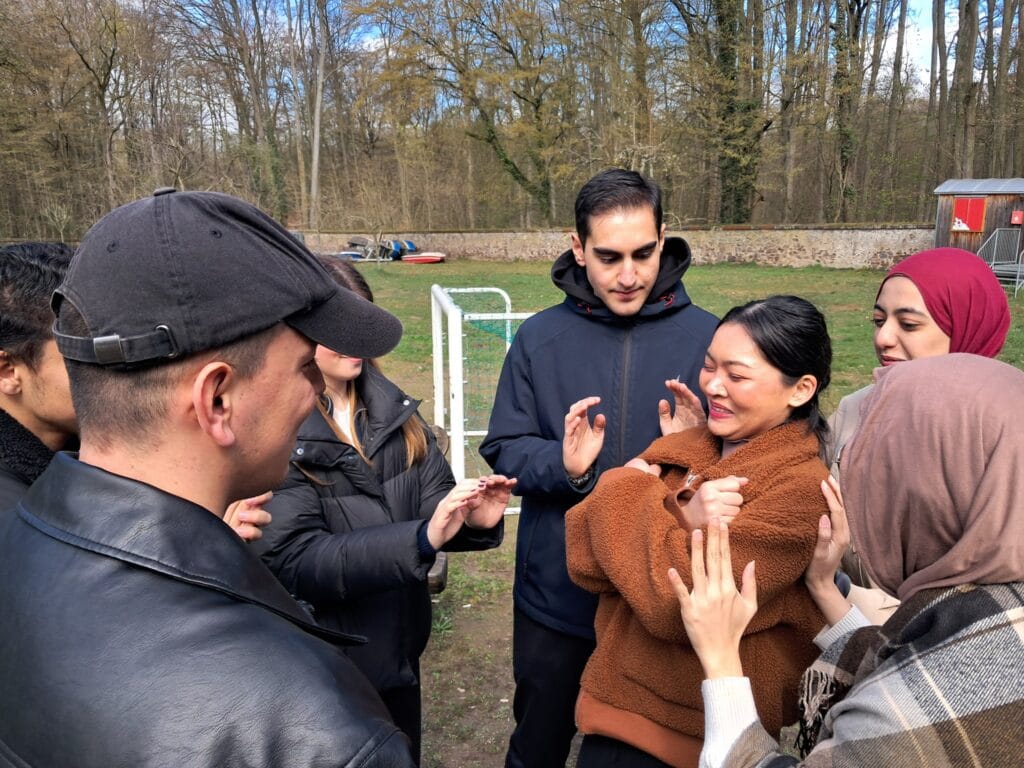
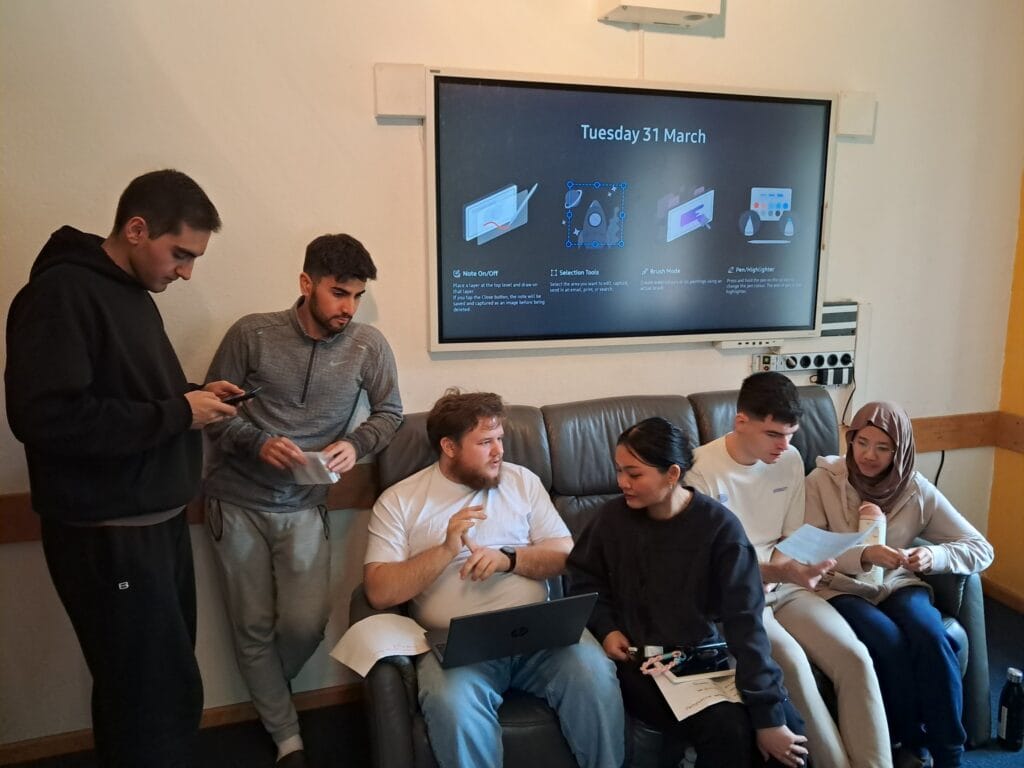
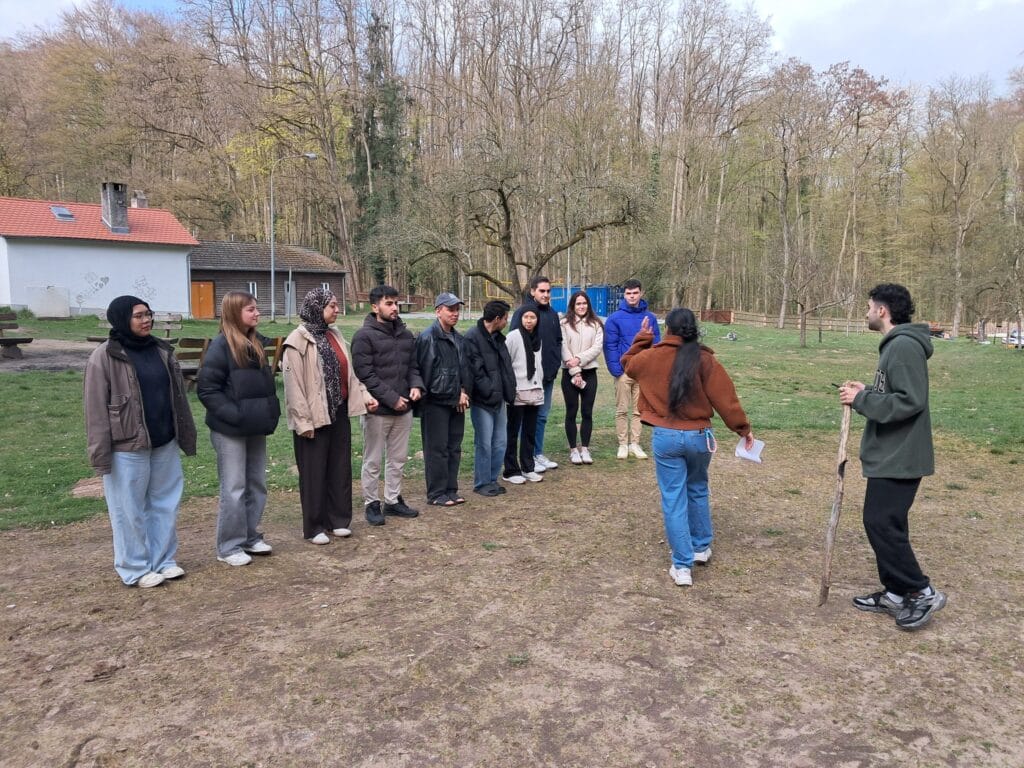
From the first working day, the atmosphere was warm, creative, and full of curiosity. Participants did not simply introduce themselves through formal presentations; they entered the learning process through identity painting, avatar creation, guided discussions, arts-based activities, and outdoor drama exercises. These methods helped the group build trust, confidence, and a sense of belonging. They also showed, from the very beginning, that social justice is not only a topic to be analysed, but also a human experience connected to identity, voice, visibility, and recognition.
A strong part of the early programme focused on music, creativity, and public speaking as tools for civic engagement. Participants reflected on how music can express protest, memory, resistance, hope, and solidarity. They discussed how songs and cultural expression can bring attention to injustice, unite communities, and help young people communicate issues that are sometimes difficult to express directly. This was followed by practical work on public speaking, including strategies for managing anxiety, reading the room, adapting to unexpected situations, and transforming fear into presence. Through applied improvisation and embodied communication techniques, participants learned that public speaking is not only about performance, but also about connection, courage, and responsibility.
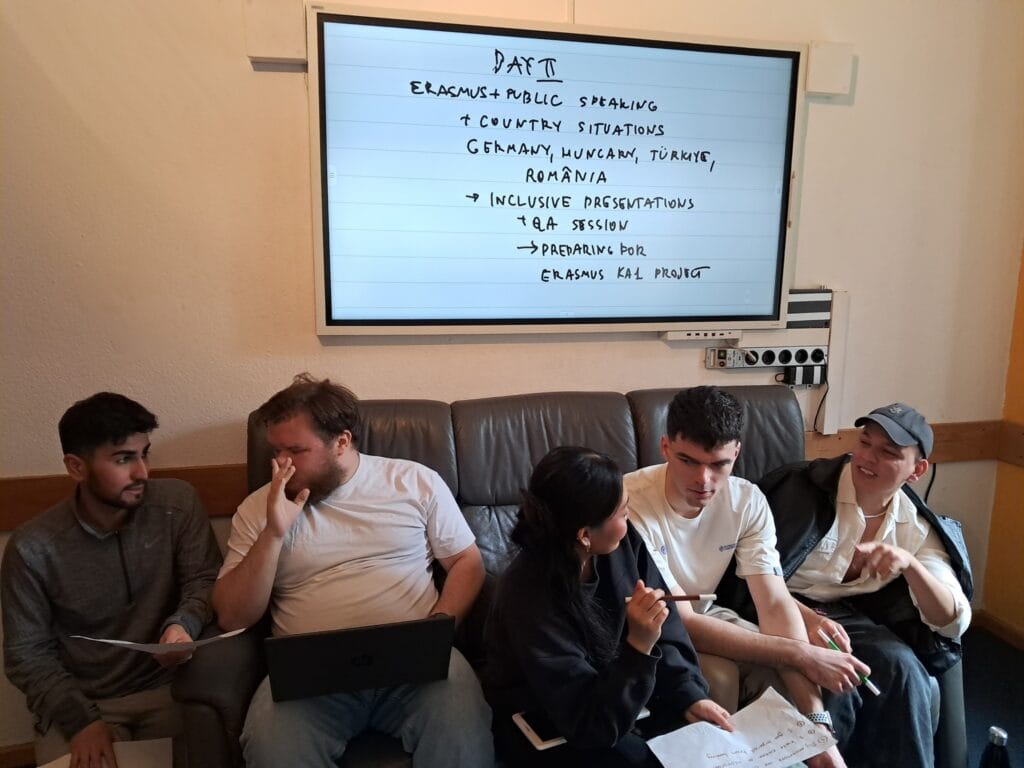
As the programme developed, the group moved deeper into the realities of youth participation and social justice in different national contexts. Participants worked on country situations connected to Romania, Germany, Türkiye, and Hungary, identifying concrete barriers, contradictions, and examples from their own communities. These discussions went beyond general statements and helped the group understand how young people experience inequality, exclusion, weak participation opportunities, lack of institutional support, and limited access to decision-making. At the same time, the participants explored the possibilities of youth work: creating safe spaces, encouraging dialogue, supporting confidence, strengthening practical skills, and building local initiatives.
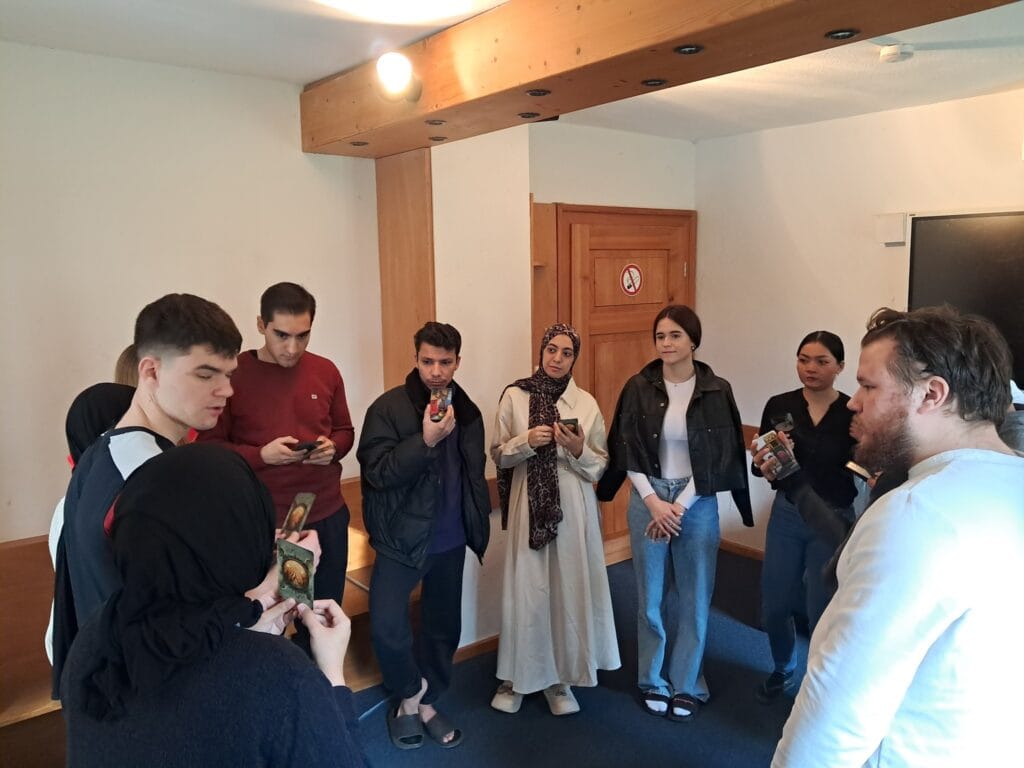
One of the most meaningful activities used metaphorical cards as a creative tool for reflection. The cards helped participants approach complex social issues from emotional, symbolic, and personal perspectives. Through this method, social justice appeared not only as a formal concept, but as something connected to pressure, silence, hope, dignity, resilience, exclusion, and courage. The activity encouraged imagination and honesty, allowing participants to express thoughts that might have been harder to communicate through direct discussion alone.
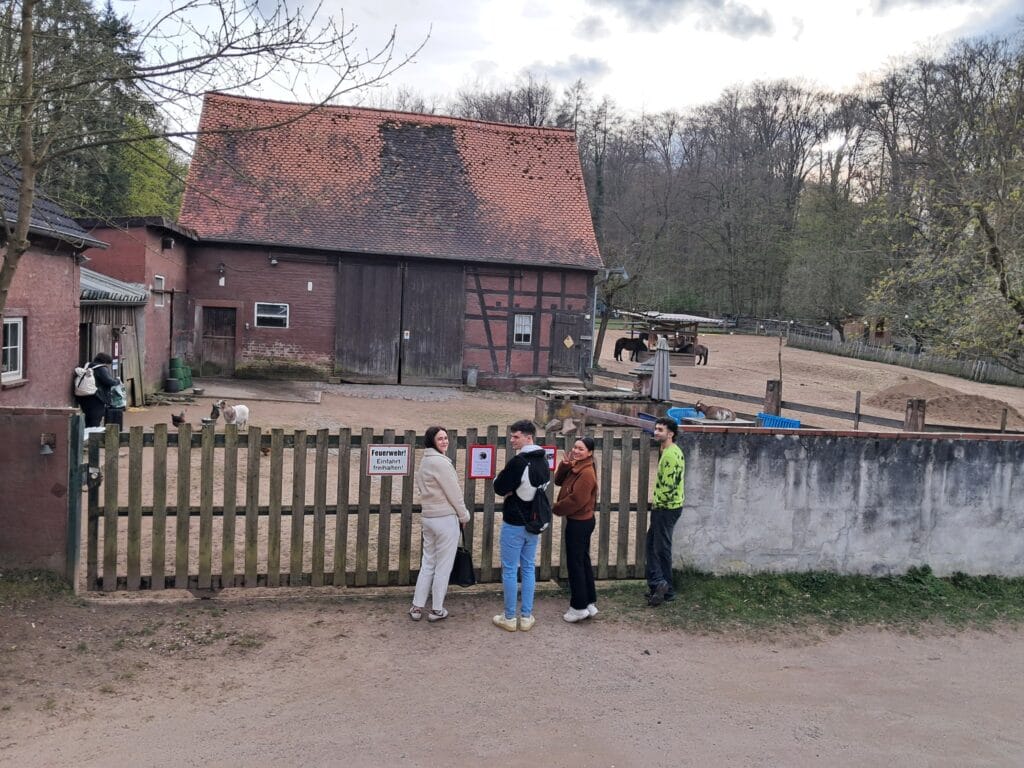
The workshop also placed strong emphasis on learning through action. A particularly important moment was the Erasmus+ Street Action carried out across Darmstadt, Frankfurt, and Mainz, using train travel as a greener form of mobility. During this activity, participants stepped outside the training environment and engaged directly with local youth and young foreign students. They spoke about Erasmus+ opportunities, social justice, youth realities, and civic participation, while also recording video interviews and gathering authentic impressions from public spaces. Across the three cities, the participants introduced 37 young people to the project and to Erasmus+ opportunities, discovering that only 9 of them had already heard about Erasmus+. This result made the action especially meaningful as a form of dissemination, inclusion, and awareness raising.
The street action also helped participants develop real youth work competences. They had to approach unfamiliar people respectfully, explain the project clearly, ask relevant questions, listen actively, adapt quickly, and build trust in short conversations. In this way, the activity transformed public space into a living learning environment. It also created new bridges for future cooperation, as the group established contact with new young people and created a WhatsApp group to support further communication.
During the following days, the programme became increasingly practical and project-oriented. German and Turkish teams prepared interactive workshops on social justice and youth work, using role-play, digital tools, movement, outdoor elements, reflection, and group discussion. Participants became active “spectActors,” not only observing situations but stepping into them, testing responses, questioning assumptions, and co-creating solutions. These workshops encouraged self-organisation, public speaking, critical thinking, and initiative. They also helped the group explore how observations and emotions can be transformed into concrete Erasmus+ youth project ideas.
Another highlight of the mobility was the Energy Shock Challenge, a simulation that connected energy justice with youth participation. Participants had to respond to a crisis scenario involving rising fuel prices, transport difficulties, household anxiety, reduced budgets, and pressure on public services. Working in groups that represented young residents and commuters, municipal services, community solidarity networks, local businesses, and transport voices, they had to negotiate priorities under pressure. The exercise showed that energy is not only an economic topic, but also a social justice issue. If young people cannot afford transport, heating, or basic stability, their ability to participate in society is reduced long before formal exclusion becomes visible.
The programme also included a valuable session on Erasmus Mundus, presented through the personal experience of Victor Nicolaescu from Romania, who shared insights from his academic mobility at the University of Malaysia in 2025. His presentation helped participants understand international academic mobility not as a distant opportunity, but as a realistic pathway that can expand horizons and shape future educational and professional choices.
In the final part of the workshop, the focus turned to Erasmus+ opportunities, Youthpass, dissemination, and follow-up. Participants explored possible future mobility and project routes, reflected on the competences they had developed, and discussed how to share the results of the activity after returning home. The Youthpass reflection helped them recognise learning outcomes connected to communication, cooperation, civic engagement, intercultural awareness, leadership, initiative, and project development.
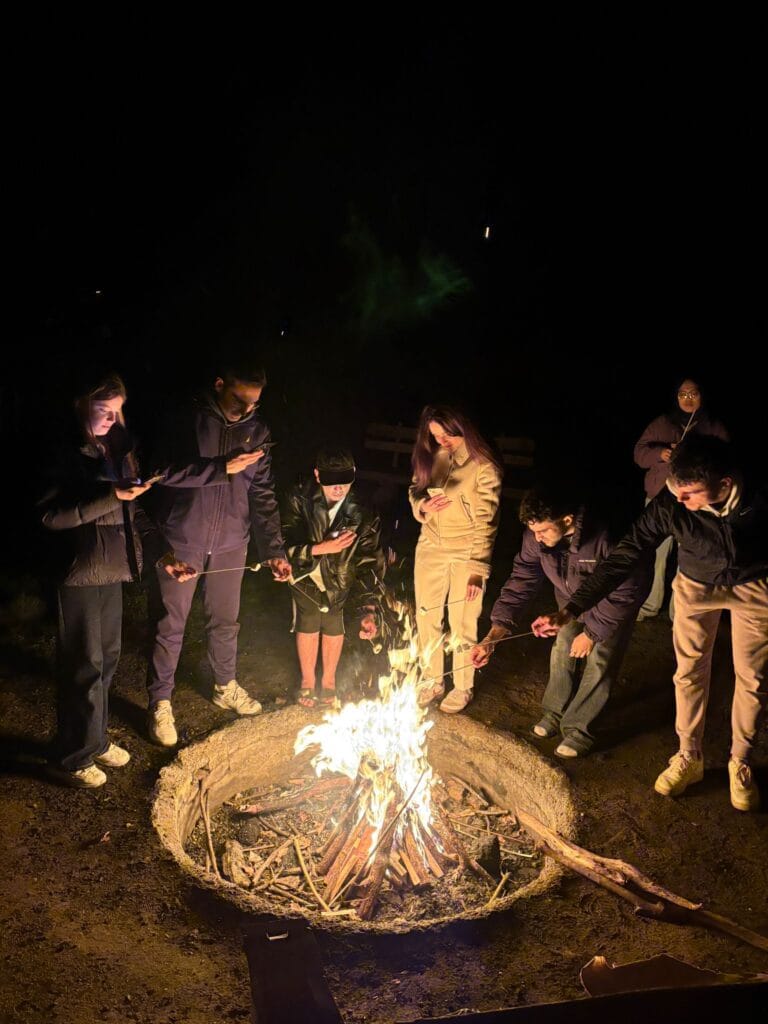
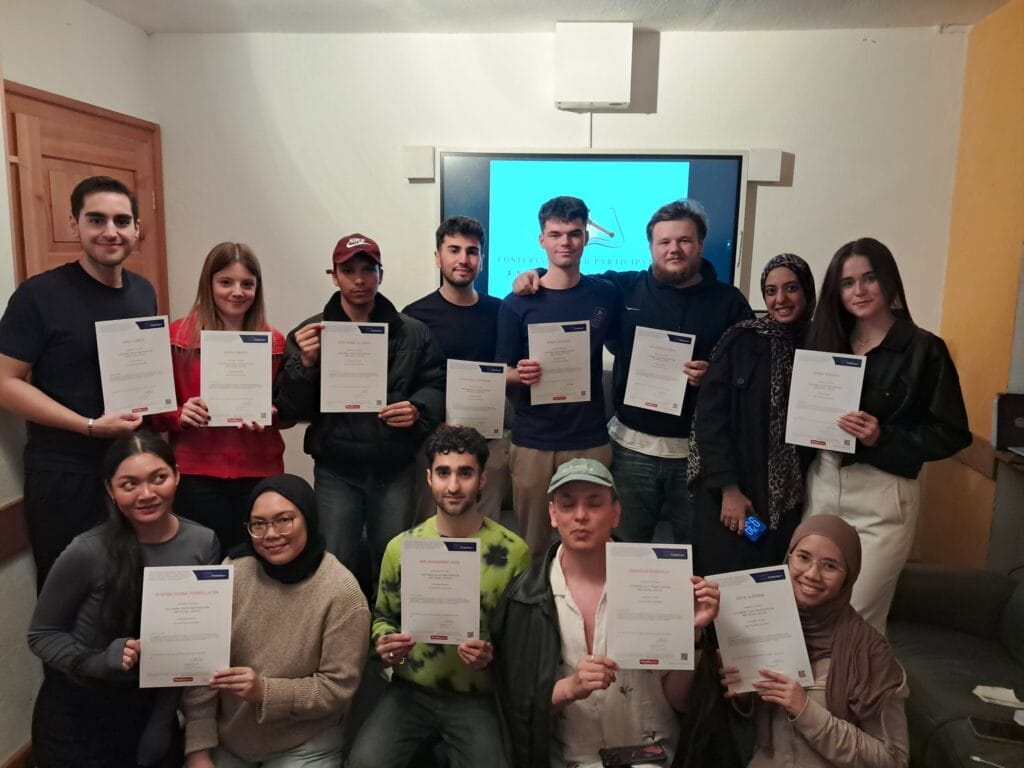
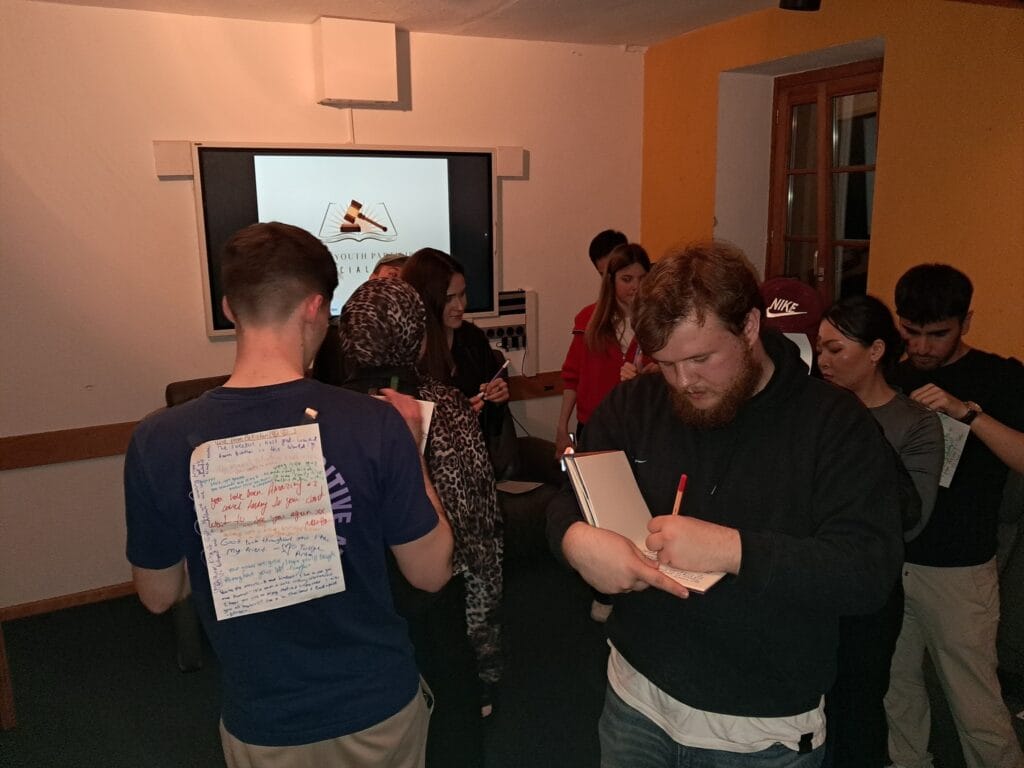
The certificate ceremony marked one of the most emotional moments of the mobility. It was more than a formal recognition of participation; it became a space of gratitude, testimonials, humour, and visible connection. The group also returned to the identity paintings and avatars created at the beginning of the week, writing good wishes to one another and closing the learning circle in a symbolic and personal way. The final campfire offered a calm and meaningful ending, where participants shared impressions, future hopes, and promises to carry the experience back into their communities.
By the end of the workshop, “Fostering Youth Participation and Social Justice” had become much more than a training event. It was a process of transformation, where young people learned to speak more clearly, listen more deeply, act more confidently, and understand social justice as something that must be practised through relationships, public action, cooperation, and continuity. The mobility showed that youth participation becomes real when young people are trusted, challenged, supported, and invited to take responsibility.
The Germany workshop demonstrated the power of Erasmus+ to create spaces where civic engagement is not taught only through theory, but experienced through dialogue, creativity, public interaction, teamwork, and real community leadership. Participants left Germany with stronger voices, clearer direction, new international connections, and a shared commitment to continue building more just, inclusive, and participatory communities.
29.03.2026 — Arrival Day in Germany
Participants arrive in Germany and are welcomed by the hosting team. The day is dedicated to accommodation, informal greetings, first orientation, and creating a comfortable atmosphere before the official start of the workshop.
Participants receive basic information about the programme, logistics, accommodation, local transport, safety rules, and the general objectives of the Erasmus+ mobility. In the evening, an informal welcome moment helps participants meet each other in a relaxed way and begin building the group spirit needed for the following days.
30.03.2026 — Day 1
Opening, Group Building, Identity and Creative Participation
The first working day officially opens the Erasmus+ mobility Fostering Youth Participation and Social Justice. Participants from Romania, Germany, Türkiye, and Hungary are introduced to the project aims, the Erasmus+ framework, the programme structure, and the expected learning outcomes.
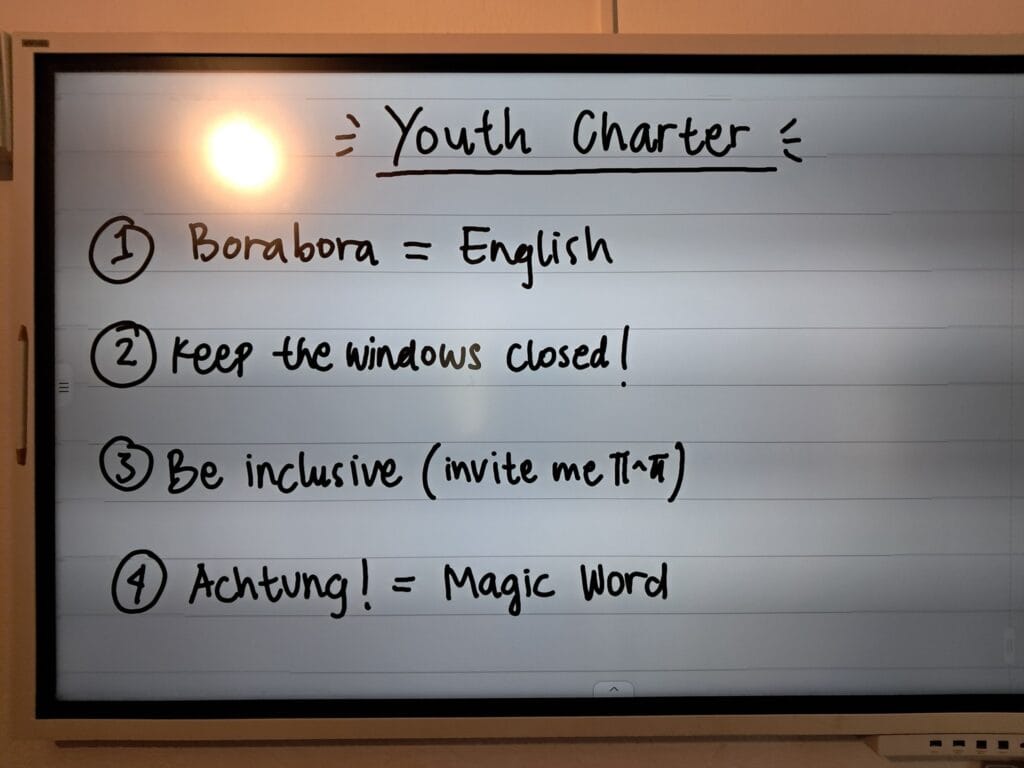
The day focuses on creating a safe, friendly, and inclusive learning environment. Through creative name games, icebreakers, group-building exercises, identity painting, and avatar creation, participants reflect on who they are, how they want to be seen, and what values they bring into the group.
Outdoor arts and drama exercises help the group develop trust, cooperation, observation, and active participation. These activities show that learning can happen through movement, creativity, body language, and shared action.
Another important part of the day explores music as a non-formal education tool for social justice. Participants discuss how music can express protest, memory, resistance, solidarity, inequality, belonging, and hope. The day ends with reflection on identity, creativity, teamwork, and participation.
31.03.2026 — Day 2
Public Speaking, Advocacy and Country Situations
The second day focuses on how young people can speak, act, and organise around social justice issues. Participants explore public speaking strategies for addressing injustice in clear, convincing, and responsible ways.
The activities help participants understand how to build a message, structure a speech, manage emotions, speak with confidence, and connect personal stories to wider social realities. Applied improvisation is used to help participants react, adapt, listen actively, and remain flexible when communication becomes unpredictable.
Participants also work on embodied strategies for managing public speaking anxiety, including breathing, posture, grounding, voice, movement, and physical presence. The goal is to make public speaking feel less like performance and more like meaningful human communication.
In the second part of the day, participants begin preparing country situation presentations connected to Romania, Germany, Türkiye, and Hungary. They identify real challenges affecting youth participation, visibility, social justice, and access to decision-making in their communities.
01.04.2026 — Day 3
Social Justice Realities, Metaphorical Cards and Comparative Reflection
Day 3 gives the programme deeper analytical and emotional value. Participants use metaphorical cards as a creative facilitation tool to explore social justice from different perspectives.
The cards help participants speak about pressure, silence, exclusion, resilience, dignity, hope, courage, and possibility. This method supports emotional engagement and helps participants approach complex issues without reducing them to simple definitions.
Participants interpret images, connect them with personal and social realities, and share reflections in small groups. The activity encourages creativity, honest dialogue, and deeper understanding of social justice as something connected to lived experience.
The second part of the day is dedicated to interactive country presentations. Participants share examples from Romania, Germany, Türkiye, and Hungary, focusing on youth participation, inequality, institutional barriers, exclusion, and opportunities for youth work.
The day ends with a comparative discussion aimed at identifying common patterns and possible themes for future Erasmus+ youth projects.
02.04.2026 — Day 4
Erasmus+ Street Action in Darmstadt, Frankfurt and Mainz
Day 4 moves the learning process outside the training room. Participants prepare and implement an Erasmus+ Street Action in Darmstadt, Frankfurt, and Mainz, using train travel as a greener means of transport.
The aim of the activity is to help participants experience youth work in direct contact with the public. They prepare questions, messages, short explanations about Erasmus+, and respectful ways to approach young people in public spaces.
During the street action, participants speak with local youth and young foreign students about Erasmus+ opportunities, social justice, youth participation, and community engagement. They collect impressions, record short video interviews, and invite young people to reflect on the realities of participation.
This activity strengthens communication, confidence, initiative, active listening, public engagement, and dissemination skills. It also creates real visibility for Erasmus+ and opens new possibilities for future cooperation.
The street action helps participants understand that youth participation becomes more powerful when it leaves the training room and enters public life.
03.04.2026 — Day 5
Interactive Workshops on Social Justice and Youth Work
Day 5 is dedicated to interactive workshops prepared by the German and Turkish teams on social justice and youth work. Participants become active contributors, not passive listeners.
Through role-play, movement, digital boards, outdoor exercises, Q&A rounds, and group reflection, participants test different social justice situations and explore possible responses. They step into roles, observe conflicts, intervene, question power relations, and reflect on what youth workers can realistically do in challenging contexts.
The idea of participants as “spectActors” is central to the day. They do not only watch or analyse social realities; they enter the process, react, improvise, and co-create solutions.
The second part of the day focuses on transforming the learning outcomes into possible Erasmus+ project ideas. Participants discuss how their observations, emotions, and examples could become structured youth initiatives after the mobility.
04.04.2026 — Day 6
Erasmus Mundus, Academic Mobility and Energy Justice Simulation
Day 6 connects educational mobility with public policy, fairness, and community resilience.
The first part of the day introduces participants to Erasmus Mundus as a concrete academic pathway. Through the personal experience of a Romanian student who studied one semester at the University of Malaysia in 2025, participants learn about the structure, logic, and application steps of international academic mobility.
The session helps young people understand how Erasmus opportunities can influence personal, academic, and professional development.
The second part of the day is dedicated to the Energy Shock Challenge, a crisis simulation focused on energy justice. Participants are divided into groups representing young residents and commuters, municipal budget and services, community solidarity networks, local businesses, and transport voices.
They must negotiate priorities in a scenario involving rising fuel prices, transport difficulties, reduced budgets, and public pressure. The activity shows that energy is not only an economic issue, but also a question of fairness, access, dignity, and participation.
By the end of the simulation, participants understand that if young people cannot afford transport, heating, or basic stability, their ability to participate in society is reduced long before formal exclusion becomes visible.
05.04.2026 — Day 7
Erasmus+ Opportunities, Youthpass, Dissemination and Closing Ceremony
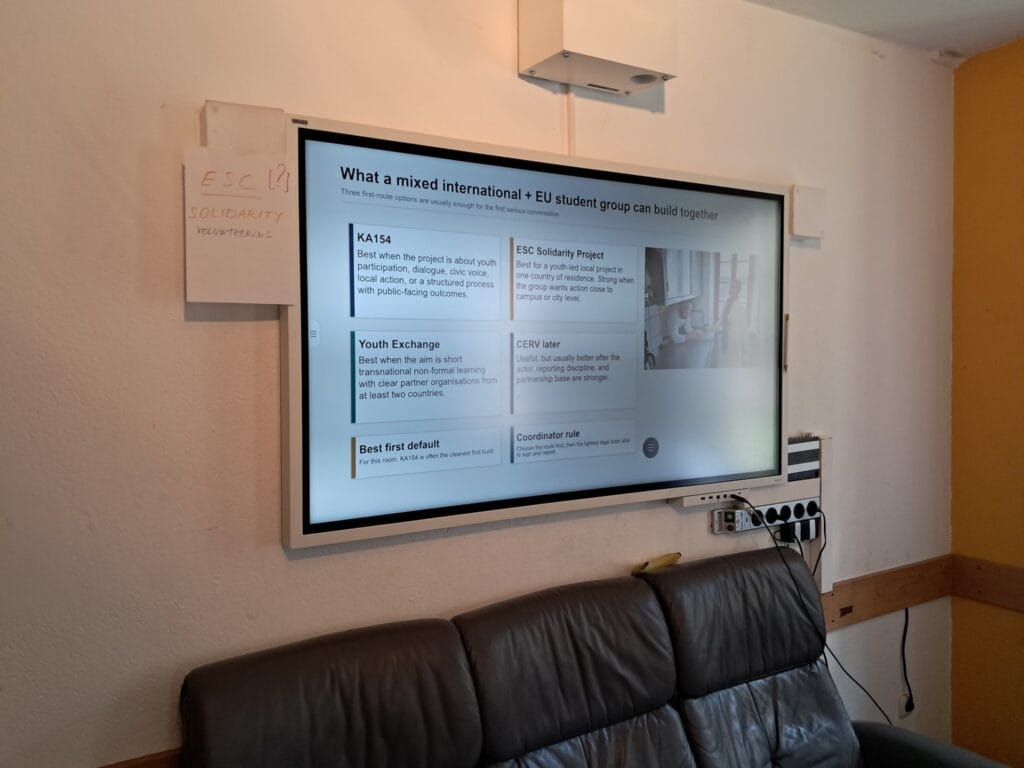
The final working day brings together the full learning experience of the mobility. Participants explore Erasmus+ opportunities in a practical and accessible way, focusing on how student groups and young people can become involved in future projects, youth participation formats, and solidarity-based initiatives.
The day also includes a detailed Youthpass reflection. Participants identify the competences developed during the workshop, including communication, teamwork, civic engagement, intercultural learning, initiative, public speaking, project thinking, and community leadership.
Another important session focuses on dissemination and follow-up. Participants discuss how they will share the results of the project after returning home, using photos, videos, testimonies, social media posts, local presentations, peer meetings, and future youth activities.
The certificate ceremony creates a warm and emotional closing moment. Participants receive recognition for their involvement and return to the avatars created on the first day, writing good wishes to each other.
The day ends with a friendly campfire, informal sharing, and final reflections on the meaning of social justice, youth participation, and future cooperation.
06.04.2026 — Departure Day from Germany
Participants depart from Germany after breakfast. The hosting team supports check-out, travel coordination, and final logistical arrangements.
Participants leave with stronger civic competences, deeper understanding of social justice, new international connections, and practical ideas for future youth participation projects.