Social Inclusion and Equality Workshop – Turkey
Fostering Youth Participation and Social Justice
Erasmus+ Youth Participation Project (KA154-YOU)
Project No.: 2024-3-DE04-KA154-YOU-000271505
Bozüyük, Bilecik, Türkiye | 7–15 December 2025
Overview of the Workshop
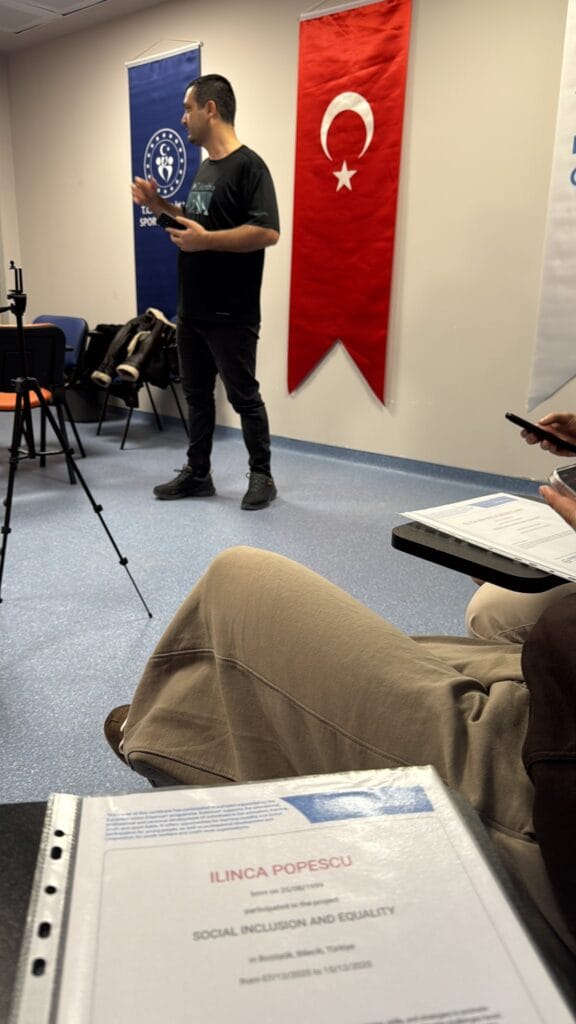
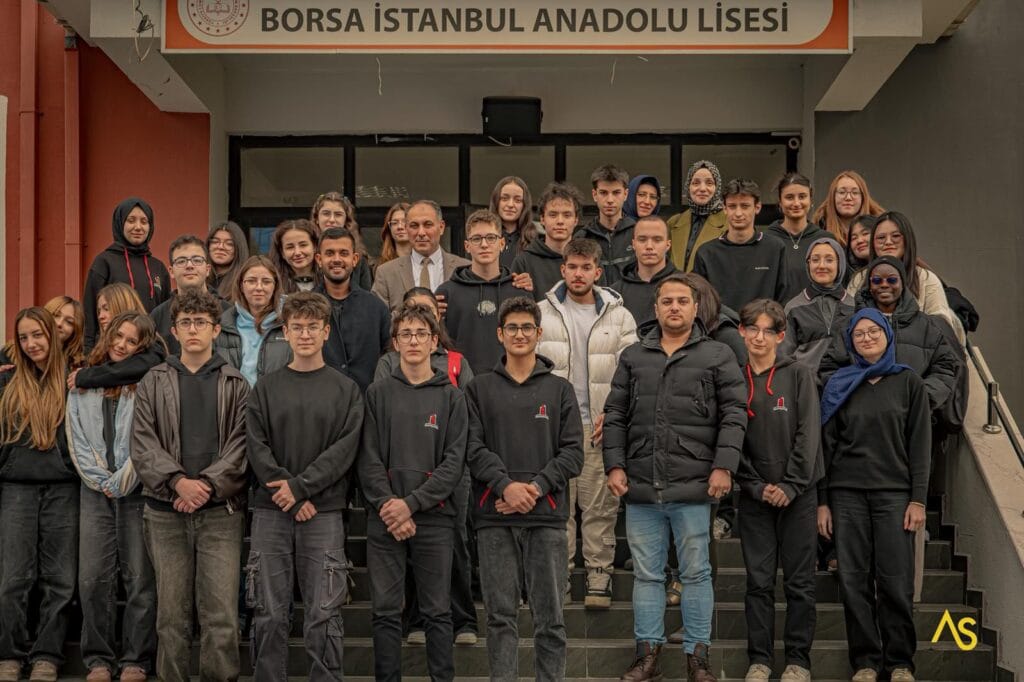
The Social Inclusion and Equality Workshop, held in Bozüyük, Bilecik (Türkiye) between 7 and 15 December 2025, represented the third international activity of the Erasmus+ Youth Participation project Fostering Youth Participation and Social Justice. The workshop was implemented as a 7-day immersive programme (8–14 December mobility days), bringing together young people from partner countries to explore issues of social inclusion, equality, discrimination, and human rights through a participatory and practice-oriented approach.
All planned activities were carried out successfully, with strong engagement from participants and a highly supportive learning environment. The workshop built directly on the outcomes of previous activities in Germany and Hungary, further deepening participants’ understanding of social justice and youth-led social change.
How the Workshop Was Organised
The workshop followed a clear pedagogical structure, combining non-formal learning, experiential activities, group work, mentoring, and real-world exposure. Each day focused on a specific thematic area, allowing participants to gradually move from understanding concepts to applying them in practice.
Arrival and Orientation
Participants arrived on 7 December 2025, checked into their accommodation, and had time to settle in and connect informally. This ensured a smooth start and helped create a sense of group cohesion before the formal programme began.
Programme Structure and Key Activities
Day 1 – Introduction to Social Inclusion and Equality (8 December)
The workshop officially opened with a welcome and opening ceremony, where participants were introduced to the objectives, agenda, and methodology. Icebreakers and team-building activities helped establish trust and collaboration.
Introductory sessions focused on defining key concepts such as social inclusion, equality, marginalisation, and discrimination, followed by a global and local overview of social inequality supported by case studies and data. These sessions created a shared understanding and common language among participants.
Day 2 – Understanding Marginalisation and Discrimination (9 December)
Participants explored the realities faced by marginalized groups through:
- Interactive discussions on different forms of marginalisation
- Role-playing exercises, simulating real-life discrimination scenarios to build empathy and awareness
In the afternoon, a panel discussion with experts addressed strategies for promoting inclusion and equal opportunities in areas such as education, employment, and public policy. Group reflections allowed participants to connect these insights to challenges in their own communities.
Day 3 – Equality Frameworks and Legal Rights (10 December)
This day focused on the legal and institutional foundations of equality. Participants learned about:
- International human rights conventions
- Anti-discrimination laws and national equality policies
Through group work, participants analysed how these frameworks are applied in their home countries, identifying gaps and challenges. An interactive advocacy session helped them understand how legal tools can be used to defend the rights of marginalized communities, supported by mentor guidance.
Day 4 – Social Inclusion in Practice (11 December)
To connect theory with practice, participants visited a local NGO/community centre working directly on social inclusion. Through discussions with NGO leaders, participants gained first-hand insight into real challenges, good practices, and impact on the ground.
In the afternoon, participants worked in groups to design community-based inclusion programmes, addressing concrete issues of discrimination and exclusion. Mentors provided feedback on feasibility, sustainability, and social impact.
Day 5 – Community Engagement and Leadership Development (12 December)
This day focused on leadership and community engagement skills. Workshops explored:
- How to engage marginalized groups effectively
- How to foster belonging and participation
- Leadership approaches for social change
Participants then developed community engagement action plans, outlining how they would promote inclusion and equality in their own contexts. Mentors supported teams in refining and strengthening their plans.
Day 6 – Finalising and Presenting Projects (13 December)
Participants finalised their social inclusion projects and prepared presentations. Pitch coaching sessions helped them communicate their ideas clearly and persuasively.
Each group presented its project to peers, mentors, and experts, receiving constructive feedback focused on impact, sustainability, and community relevance. These presentations demonstrated a high level of understanding, creativity, and commitment.
Day 7 – Reflection, Certification, and Closing (14 December)
The final day was dedicated to reflection and evaluation. Participants reflected on their learning journey, the skills they acquired, and how they would implement their projects after returning home.
The workshop concluded with a certification ceremony and closing session, acknowledging participants’ achievements and encouraging them to continue acting as advocates for social inclusion and equality.
Participants departed on 15 December 2025, following check-out in the morning.
Results and Outcomes
The Social Inclusion and Equality Workshop achieved strong and tangible results:
- Increased awareness of social inclusion, equality, and discrimination issues
- Improved understanding of human rights frameworks and legal advocacy tools
- Enhanced leadership, communication, and community engagement skills
- Development of concrete youth-led projects addressing social exclusion
- Stronger empathy and intercultural understanding among participants
Participants demonstrated a clear ability to translate learning into practical actions relevant to their local communities.
Relevance to Project Objectives
This workshop directly contributed to the project’s core objectives by:
- Promoting social inclusion and equality
- Empowering young people to become advocates for marginalized groups
- Strengthening youth participation in social change processes
- Supporting democratic values, human rights, and active citizenship
By combining knowledge, skills, and real-world application, the workshop reinforced the project’s mission to create more inclusive and just societies through youth participation.
Overall Assessment
The workshop in Bozüyük, Bilecik was very well organised and highly successful. Participant engagement was consistently high, mentoring support was effective, and feedback confirmed the strong relevance and impact of the activities.
This third project workshop significantly strengthened participants’ capacity to address social justice issues and built a solid bridge toward the final project activities, confirming the essential role of youth in fostering inclusion, equality, and social cohesion across Europe.