First Transnational Project Meeting (TPM1) Successfully Held in Rome
Tech Up-Skilling for a New Workforce: AI, Data, and Digital Competencies for Students (Tech-Up)
Project No.: 2025-1-DE02-KA210-VET-000349476
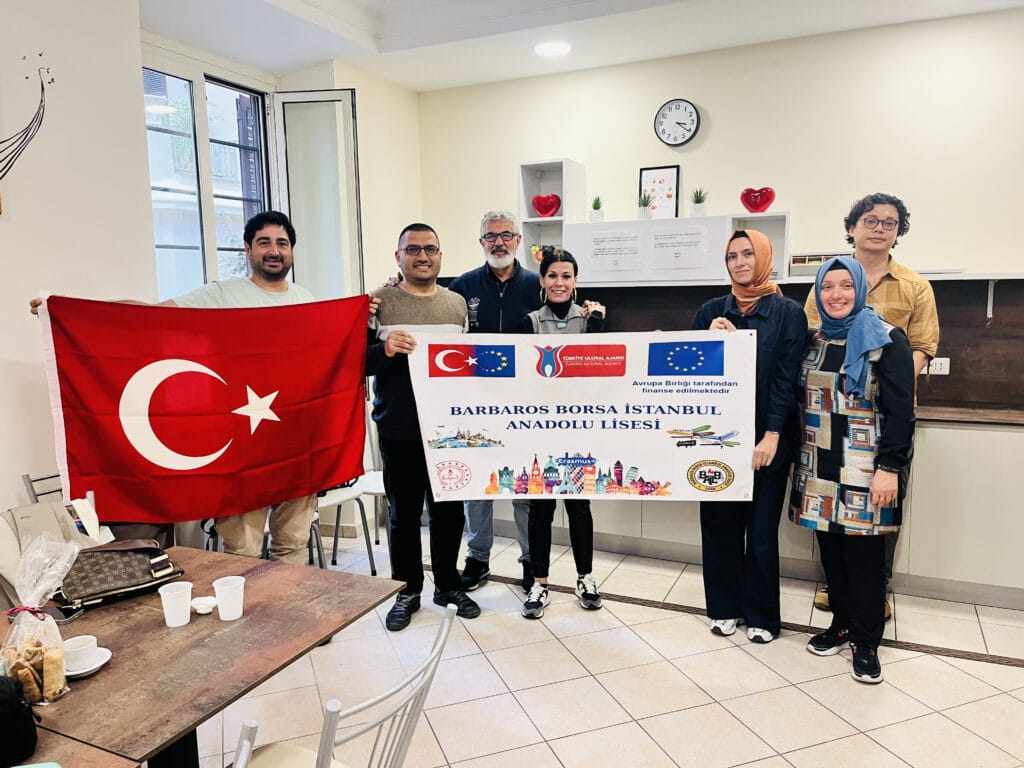
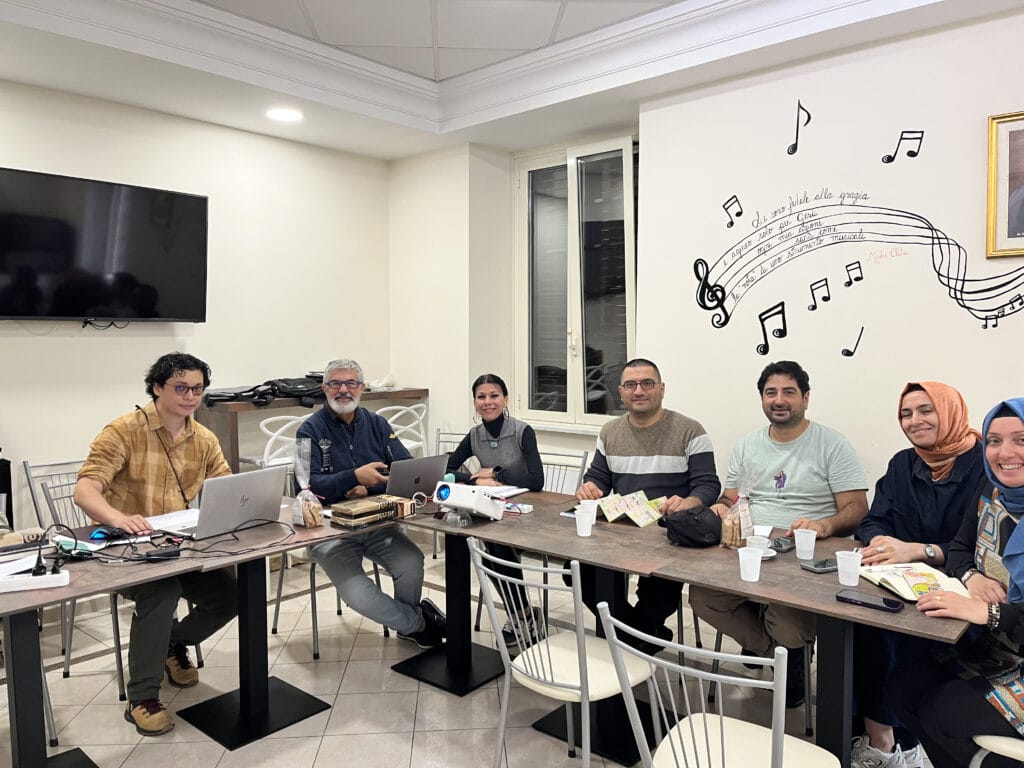
The first Transnational Project Meeting (TPM1) of the Erasmus+ KA210-VET project “Tech Up-Skilling for a New Workforce: AI, Data, and Digital Competencies for Students (Tech-Up)” was successfully held in Rome, Italy, on 27–28 October 2025. The meeting took place at via Germano Sommeiller, 38, hosted at the headquarters of EURO GESTIONE IMPRESA (EGI).
The meeting brought together representatives of all partner organisations:
- Phoenix Knowledge Wings gGmbH (Germany) – Project Coordinator
- EURO GESTIONE IMPRESA (Italy) – Project Partner and Host
- Barbaros Borsa İstanbul Anadolu Lisesi (Türkiye) – Project Partner
The main objective of TPM1 was the joint development, validation, and operational planning of Activity 1: Design of the Comprehensive Digital Competencies Curriculum for VET Students, ensuring alignment with project objectives, Erasmus+ priorities, and labour market needs.
Day 1 – Monday, 27 October 2025
Venue: Training Room, EGI Headquarters, Rome
Duration: 10:00 – 17:00
Welcome and Opening Session
The meeting officially opened with participant registration and a welcome coffee. Opening remarks were delivered by the host organisation EURO GESTIONE IMPRESA, together with Phoenix Knowledge Wings, in its role as project coordinator. The partners reviewed the overall objectives of the meeting, clarified expected outcomes, and agreed on the working methodology and agenda structure for the two-day event.
This opening session established a collaborative and results-oriented atmosphere, emphasizing the strategic importance of Activity 1 as the foundation for all subsequent project activities.
Session 1 – Overview of Activity 1 and Alignment with Project Objectives
Led by: Phoenix Knowledge Wings
Phoenix Knowledge Wings, as technical lead, presented the rationale, objectives, and expected results of Activity 1, highlighting its central role in equipping low-skilled VET students with essential digital, AI, and data-related competencies. The presentation clearly demonstrated how the curriculum design would directly support the project’s core priorities: improving digital literacy, strengthening employability, and ensuring alignment with labour market demands.
A structured discussion followed, focusing on the strategic coherence between Activity 1 and the overall project logic. Partner roles and responsibilities during the curriculum development phase were clarified, ensuring a shared understanding of contributions, timelines, and quality expectations.
Session 2 – Analysis of the Survey and Skills Gaps
Led by: EURO GESTIONE IMPRESA
This session focused on the analytical groundwork underpinning the curriculum design. EGI presented the methodology for the pre-project survey, targeting VET learners and key stakeholders, aimed at identifying existing skills gaps and priority digital competencies in emerging sectors. The survey instrument was shared and discussed in detail, ensuring relevance and clarity.
In addition, EGI presented a comparative overview of three national VET systems and their current integration of digital competencies, supported by dedicated slides. This analysis provided valuable insights into national contexts and highlighted common challenges and opportunities.
Partners jointly validated a To-Do List of curriculum priorities, identifying the core competencies, thematic areas, and transversal skills to be addressed in the curriculum framework.
Session 3 – Curriculum Framework and Pedagogical Design
Led by: EURO GESTIONE IMPRESA
During the afternoon, EGI introduced the proposed structure of Activity 1, covering modules on artificial intelligence, data analysis, ethical AI, and digital tools, as outlined in shared project documents. Particular attention was given to ensuring coherence with the DigComp framework and to balancing theoretical foundations with practical application.
The discussion explored innovative pedagogical approaches, including project-based learning, gamification, and interactive digital resources, all designed to enhance engagement and accessibility for low-skilled learners. Partners provided detailed feedback on module sequencing, workload distribution, and learning outcomes. Concrete decisions were taken regarding task division and responsibilities for content development.
Session 4 – Project Impacts and Dissemination
Led by: Phoenix Knowledge Wings
The final session of Day 1 addressed expected project impacts at learner, organisational, and systemic levels. Partners discussed qualitative and quantitative indicators for measuring impact, agreeing on a shared approach to monitoring and evaluation.
A first draft list of dissemination activities was developed, outlining actions to promote project visibility, stakeholder engagement, and the uptake of results at local, national, and European levels.
Day 2 – Tuesday, 28 October 2025
Venue: EGI Headquarters, Rome
Duration: 09:30 – 16:30
Recap and Orientation
Day 2 opened with a structured recap of key decisions and agreements from Day 1. Phoenix Knowledge Wings summarized the agreed curriculum framework, quality principles, and pedagogical foundations, followed by an outline of tasks related to pilot testing and resource development.
Session 5 – Development of Digital Learning Materials and Tools
Partners explored the practical development of digital learning materials, including demonstrations of sample digital tools and gamified modules. Discussions focused on integrating simulations, case studies, and real-world applications relevant to VET learners and labour market contexts.
The session concluded with agreement on technical specifications and accessibility standards, ensuring inclusiveness and usability across different learner profiles.
Session 6 – Planning of Pilot-Testing and Stakeholder Engagement
This session was dedicated to operational planning for the pilot-testing phase (January–February 2026). Partners defined pilot sites, participant profiles (VET students, educators, and companies), and stakeholder engagement strategies.
Instruments for data collection—such as feedback forms, observation grids, and focus groups—were discussed and agreed upon. A clear timeline and division of tasks were established to ensure coordinated implementation.
Session 7 – Validation Process and Expected Results
Partners consolidated procedures for the validation and refinement of the curriculum, ensuring quality assurance and responsiveness to feedback from pilot testing. The dissemination strategy was further refined, and preparations for follow-up phases were discussed.
Measurable outputs were reviewed and confirmed, including the finalized curriculum, digital tools, and a validated pilot-tested version ready for broader dissemination.
Session 8 – Administrative and Coordination Matters
Led by: Phoenix Knowledge Wings
The coordinator provided updates on financial management, reporting requirements, and administrative procedures. Deliverables, deadlines, and partner responsibilities were reconfirmed. The partners also discussed the planning of the next transnational meeting and internal review milestones.
Closing Session
The meeting concluded with a comprehensive summary of achievements, formal signing of attendance sheets and meeting minutes, and the official closure of TPM1.
Expected Outputs of TPM1
The first Transnational Project Meeting successfully delivered the following key results:
- A validated structure of the Digital Competencies Curriculum for VET Students, fully aligned with the DigComp framework.
- An agreed pedagogical framework, integrating inclusiveness, flexibility, and learner-centred methodologies.
- A defined pilot-testing plan for January–February 2026, including partner task distribution.
- A consolidated list of digital tools and learning resources to be developed.
- An approved roadmap for validation, dissemination, and reporting.
TPM1 in Rome marked a strong and coherent start to the Tech-Up project, laying solid foundations for innovative curriculum development and impactful collaboration across partner countries.