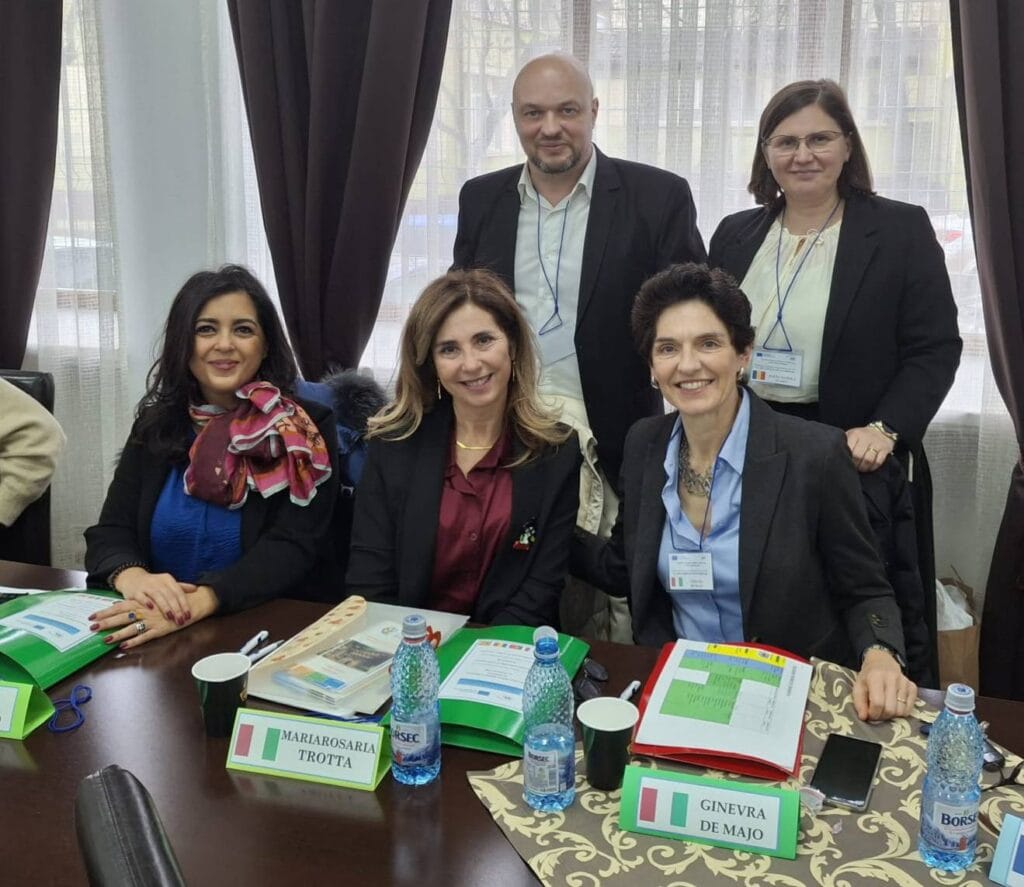
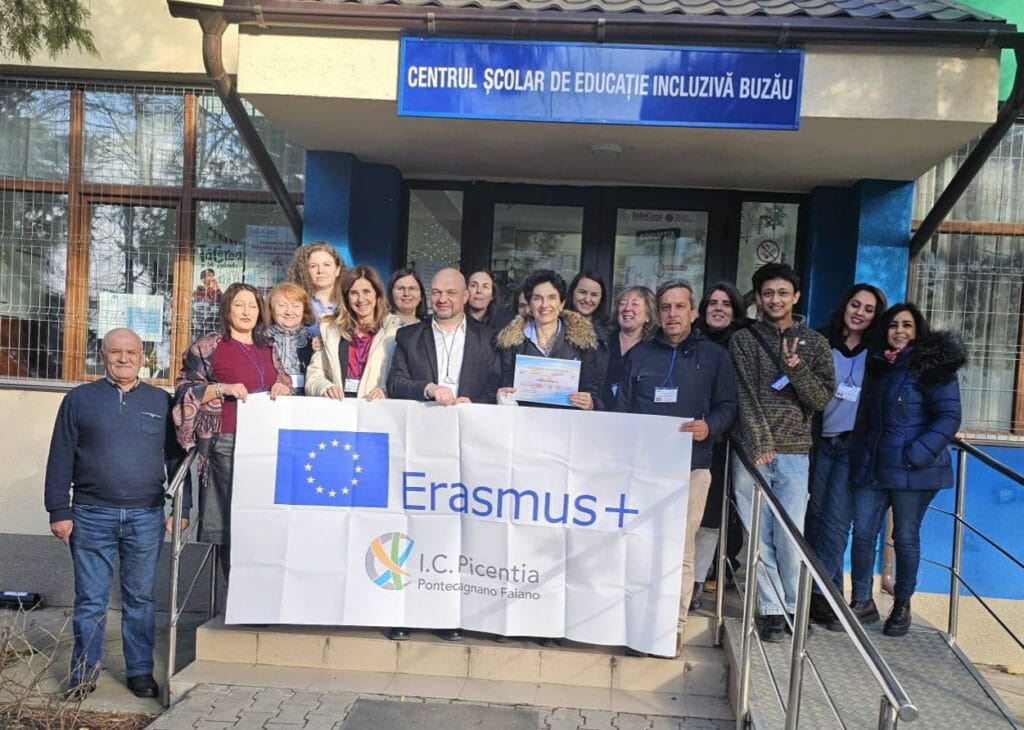
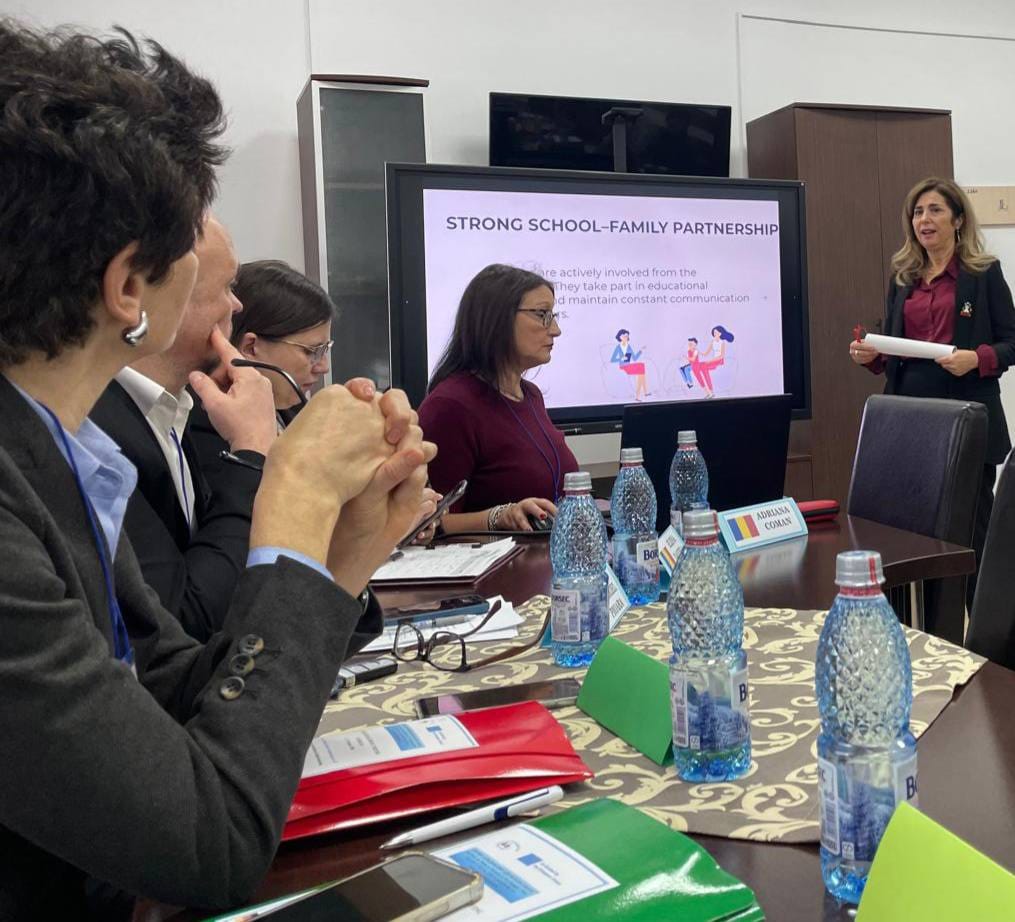
The Erasmus+ project “EduZone. Inclusive Communication for All”, implemented under the Cooperation Partnerships in School Education – KA220-SCH, project reference 2025-1-RO01-KA220-SCH-000353640, organized a Transnational Project Meeting in Romania on 12–13 January 2026.
The meeting was hosted by Centrul Școlar de Educație Incluzivă Buzău, Romania, and brought together representatives of the partner organizations involved in the project. The meeting represented an important step in the coordination of the project, providing the consortium with the opportunity to clarify implementation details, distribute responsibilities, review the work plan and strengthen cooperation among partners.
The project is implemented during the period 01.10.2025 – 30.09.2027 and aims to promote inclusive communication in school education, with a focus on supporting learners with communication needs and developing inclusive practices across European educational institutions.
The partner organizations involved in the project are:
Centrul Școlar de Educație Incluzivă Buzău – Romania
Colegio P. Andrés de Urdaneta – Spain
Istituto Comprensivo Statale Picentia – Italy
Asociația Zona Integrare Europeană – Romania
Escola Básica Integrada da Praia da Vitória – Portugal
Phoenix Knowledge Wings gGmbH – Germany
Day 1 – Monday, 12 January 2026
Project Presentations, Work Packages and Implementation Planning
The first working day of the Transnational Project Meeting took place at Centrul Școlar de Educație Incluzivă Buzău, the host institution in Romania. The day began with the collection of participants from the hotel and their arrival at the school, where the international partners were welcomed by the host organization.
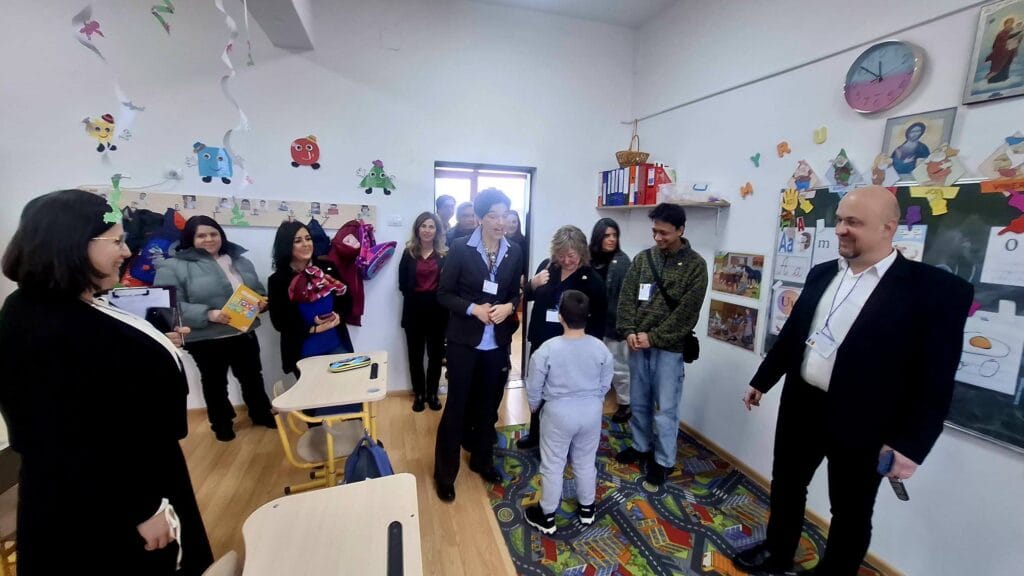
The programme started with a guided tour of the school, allowing partners to become familiar with the educational environment of the host institution. This visit offered participants the opportunity to observe the school context, understand its inclusive education profile and learn more about the work carried out with learners who need specialized support.
After the tour, the partners participated in a workshop dedicated to special education and the target groups of the project. This session created a valuable space for sharing information about inclusive education, special education practices and the needs of learners who may benefit from Augmentative and Alternative Communication and other inclusive communication strategies.
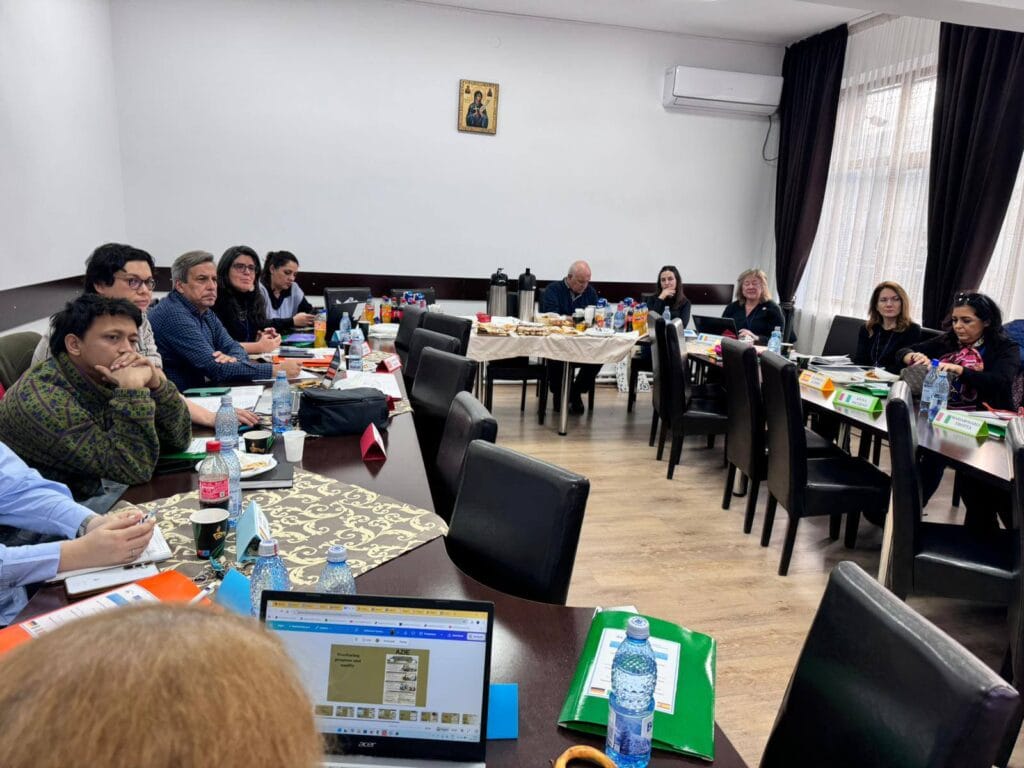
An important part of the morning was dedicated to the presentation of the different education systems represented in the project. Each partner organization presented its institution, its experience, examples of good practices from previous activities and relevant experience in European-funded projects. Each participant also briefly introduced their professional background and their role in the implementation of the project.
These presentations helped partners better understand the expertise available within the consortium and the educational realities in Romania, Spain, Italy, Portugal and Germany. The materials presented during the meeting, including PowerPoint presentations, videos, Word documents and other resources, were planned to be uploaded to the project drive and to the project Padlet, in order to ensure access to shared resources and support collaboration.
The meeting continued with the presentation of the Work Package activity programme and the Gantt Chart. Partners reviewed the main project activities, the implementation calendar, deadlines and expected results. This session was essential for ensuring that all partners had a clear understanding of the project structure and of the timeline for the upcoming activities.
A significant part of the day was dedicated to establishing implementation details, distributing responsibilities and clarifying the working methodology. The consortium discussed the tasks assigned to each partner according to the application form and reviewed the responsibilities of all participating organizations.
The partners also discussed potential risks and mitigation strategies, ensuring that the implementation process would be well organized and that possible challenges could be addressed in an efficient and collaborative way.
After lunch, the afternoon session focused on the project logo and visual identity. Partners discussed the importance of creating a clear, recognizable and representative image for the project “EduZone. Inclusive Communication for All”. This activity was connected to the dissemination and visibility strategy of the project, as the logo would be used in project materials, online communication and future dissemination activities.
The first day of the meeting ended with a clear understanding of the project objectives, responsibilities, work packages and communication procedures. It also strengthened cooperation among the partners and created a solid basis for the next stages of implementation.
Day 2 – Tuesday, 13 January 2026
Administrative Procedures, Budget Control, Mobility Planning and Evaluation
The second working day of the Transnational Project Meeting continued at the host school in Buzău. Participants were collected from the hotel in the morning and transferred to the school for another full day of project coordination.
The day began with administrative and organizational matters. Partner organizations provided the project coordinator with the original signed contracts and discussed important documentation needed for the correct implementation of the project. This step was important for ensuring transparency, accountability and compliance with Erasmus+ requirements.
The partners then presented the ways in which each organization would recruit the project target group. The discussion focused on transparent recruitment procedures, inclusion, equal access and the importance of involving the appropriate beneficiaries in the project activities. Each partner shared its approach to identifying and engaging participants, taking into consideration the specific educational context of their institution and country.
A major part of the morning was dedicated to budget control and financial management. Partners discussed detailed financial planning, financial monitoring mechanisms, audit requirements and compliance checks. This session helped clarify how expenses would be planned, monitored and documented throughout the implementation period. The discussion also supported a common understanding of financial responsibilities and reporting procedures.
After the coffee break, the consortium participated in a workshop dedicated to the upcoming mobility in Italy. Partners discussed the logistical arrangements connected to this activity, including organizational responsibilities, preparation of participants and practical aspects related to the mobility. The workshop helped ensure that all partners understood the next steps and the connection between the mobility activity and the overall objectives of the project.
Following lunch, the final working session focused on conclusions, future tasks and the review of the work completed during the meeting. Partners summarized the main decisions taken during the two days and agreed on the next steps for the following project period.
The meeting also included an evaluation questionnaire, allowing participants to provide feedback on the organization, content and usefulness of the Transnational Project Meeting. At the end of the meeting, the meeting minutes were signed, confirming the decisions, responsibilities and conclusions agreed by the consortium.
The second day successfully concluded the Transnational Project Meeting in Romania. The partners left the meeting with a clearer understanding of their roles, the implementation calendar, administrative procedures, financial rules and future project activities.
Conclusion
The two-day Transnational Project Meeting held in Buzău, Romania, on 12–13 January 2026, was an important coordination activity within the Erasmus+ project “EduZone. Inclusive Communication for All”.
The meeting allowed partners to present their institutions and professional experience, exchange good practices, discuss special education and target groups, review the work package programme and Gantt Chart, clarify responsibilities, plan implementation procedures, discuss budget control and prepare the upcoming mobility in Italy.
By the end of the meeting, the consortium had established a common understanding of the project’s next steps and strengthened its cooperation. The event contributed to a solid and organized start for the implementation of the project activities and reinforced the shared commitment of all partners to promote inclusive communication, accessibility and participation in school education.