Project reference: 2025-1-RO01-KA220-SCH-000353640
Location: Pontecagnano Faiano & Salerno Area, Italy
Dates: 9–13 March 2026
The second mobility activity of the Erasmus+ project “EduZone. Inclusive Communication for All” took place in Italy from 9 to 13 March 2026, bringing together teachers, specialists, project partners, and educational professionals committed to promoting inclusive communication and accessible learning environments.
Throughout the five-day mobility, participants had the opportunity to observe Augmentative and Alternative Communication (AAC) practices directly in educational settings, exchange professional experiences, participate in workshops and training sessions, and explore inclusive teaching approaches implemented in Italian schools.
The programme combined educational visits, practical classroom observation, collaborative workshops, and cultural activities, creating valuable opportunities for international cooperation, professional learning, and intercultural exchange.
Day 1 – Welcome, School Visits, and Introduction to AAC Practices
Monday, 9 March 2026
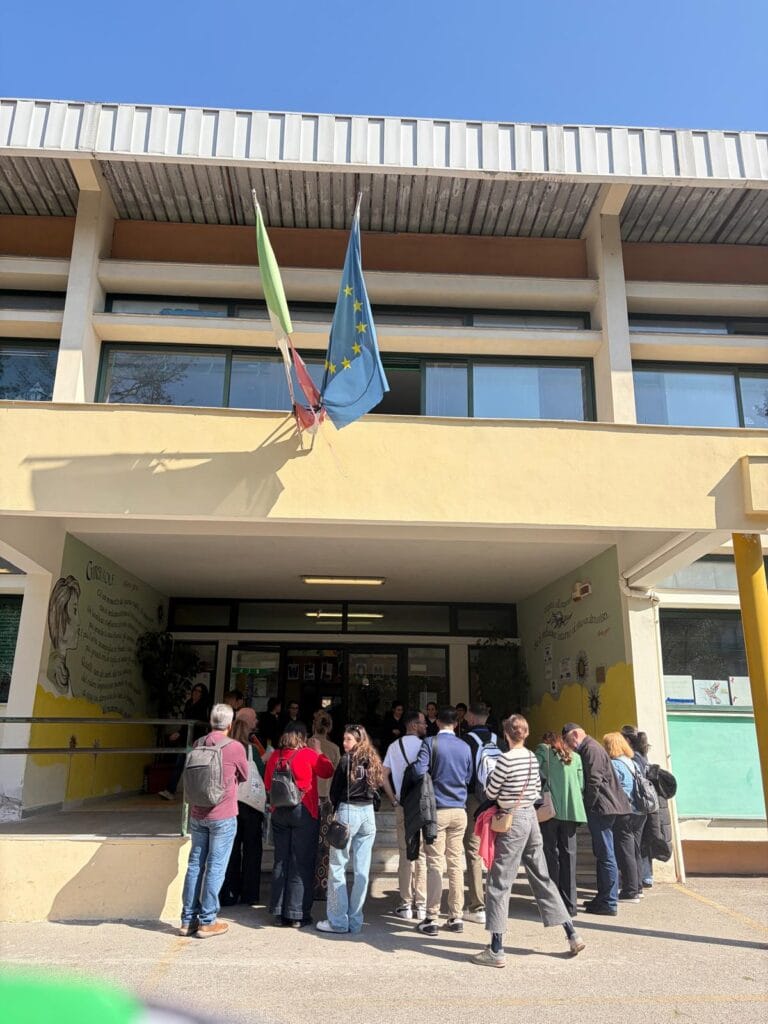
The first day of the mobility activity began with the official welcome and reception hosted by Picentia School in Pontecagnano Faiano. Participants were introduced to the programme schedule and took part in a guided school tour that provided insight into the school environment, educational facilities, and inclusive practices implemented within the institution.
The morning sessions focused on presentations related to the implementation of Augmentative and Alternative Communication (AAC) in different educational contexts. Teachers and specialists from infant, primary, and secondary schools presented practical examples of inclusive communication approaches used to support learners with diverse communication needs.
Participants visited several educational institutions, including:
- Raggio di Sole Infant School
- Perlasca Primary School
- Picentia Secondary School
During these sessions, participants explored how AAC strategies are integrated into classroom routines, communication support systems, and inclusive educational activities.
An important part of the programme was the presentation of the “Compensiamoci” Project, which focused on inclusion, compensatory strategies, emotional wellbeing, and student participation within secondary education.
The afternoon was dedicated to planning activities and the organisation of international working groups. Participants discussed collaboration strategies, project objectives, and future tasks connected to the Erasmus+ partnership.
The day concluded with a cultural visit to Paestum, where participants explored the archaeological site, temples, museum, and historical surroundings. The cultural programme offered an opportunity for intercultural dialogue, networking, and informal exchange among project partners.
Day 2 – Classroom Observation and AAC in Practice
Tuesday, 10 March 2026
The second day focused on direct classroom observation and practical experiences related to AAC implementation in infant and primary education.
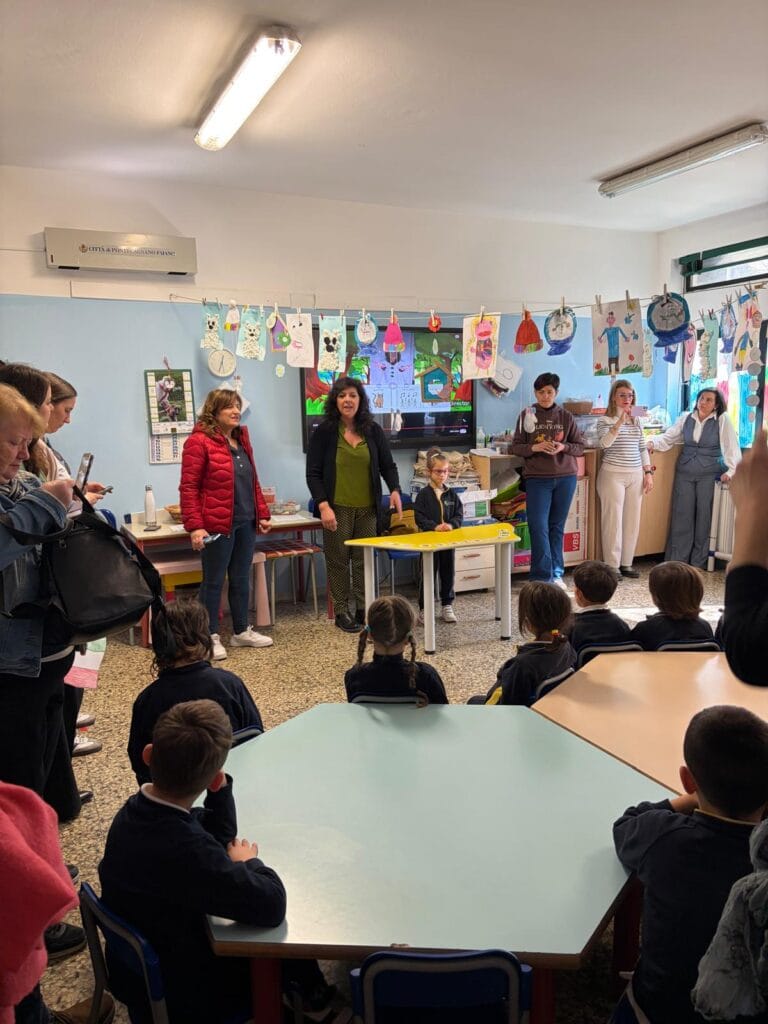
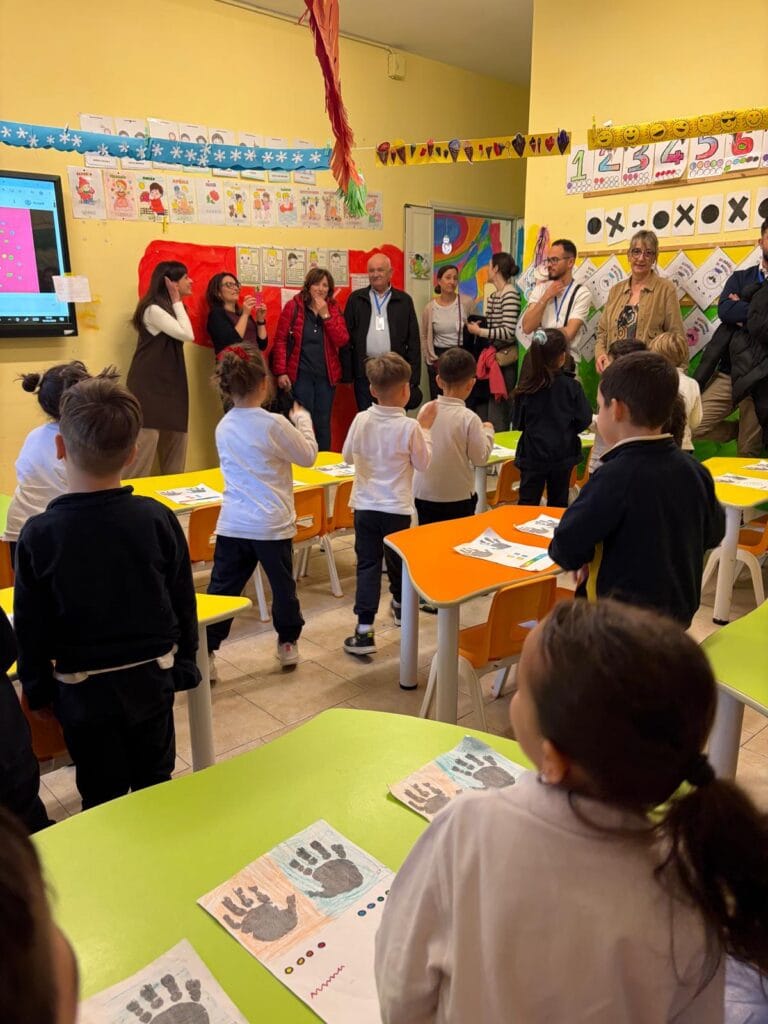
Participants visited several schools where they observed inclusive educational activities involving children who benefit from AAC support. The visits provided valuable insight into how communication accessibility can be integrated naturally into daily educational practice.
The mobility participants attended classroom activities at:
- Arcobaleno Infant School
- Sorriso Infant School
- Dante Primary School
- Rodari Primary School
Teachers and specialists demonstrated practical AAC methods, visual communication systems, structured supports, and inclusive interaction techniques used with learners in different educational contexts.
A significant part of the programme included meetings with an AAC specialist and behaviour analyst, who presented strategies for supporting communication, participation, emotional regulation, and inclusive classroom engagement.
Participants reflected on the importance of adapting communication methods according to individual learner needs and discussed the positive impact of AAC on student confidence, autonomy, and social participation.
The sessions encouraged active professional exchange, allowing participants to compare educational practices from their own countries and identify transferable inclusive strategies.
In the afternoon, participants attended a traditional Italian light lunch and optional cultural activities, including visits to local cultural sites and opportunities for informal networking and intercultural exchange.
Day 3 – Cultural Learning and Historical Exploration
Wednesday, 11 March 2026
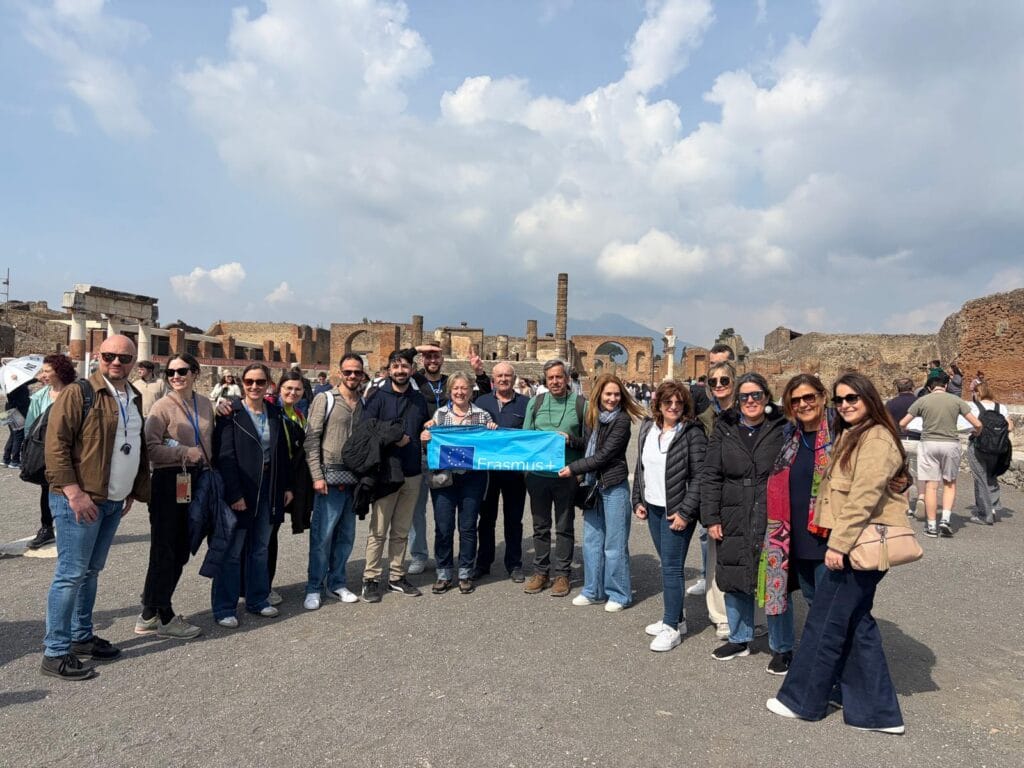
The third day of the mobility programme was dedicated to cultural learning and historical exploration through a guided educational visit to Pompeii.
Participants travelled together to Pompeii, where they explored the archaeological ruins, historical streets, monuments, and the Sanctuary of Pompeii. The guided visit offered valuable insight into Italian history, culture, and heritage while also strengthening cooperation and intercultural understanding among project partners.
The visit encouraged participants to reflect on the importance of cultural identity, European heritage, and shared learning experiences within Erasmus+ mobility activities.
Following the visit to Pompeii, participants travelled to Salerno, where they enjoyed a walking tour through the city centre. The afternoon created additional opportunities for informal discussion, networking, and the exchange of educational experiences in a relaxed and collaborative environment.
The day concluded with a group dinner, reinforcing the spirit of cooperation and partnership that characterised the mobility activity.
Day 4 – Workshops, Training, and Collaborative Development
Thursday, 12 March 2026
The fourth day focused on professional development activities, workshops, and collaborative work related to inclusive education and AAC implementation.
Participants attended a specialised training session led by AAC experts and behaviour analysts, focusing on inclusive teaching strategies, communication accessibility, and practical tools that can support learners with diverse communication needs.
The sessions addressed topics such as:
- Inclusive educational methodologies
- AAC tools and communication supports
- Strategies for learner participation
- Behaviour support approaches
- Accessible classroom practices
- Collaboration between teachers, therapists, and families
A workshop session provided participants with the opportunity to share inclusive practices from their partner countries and discuss similarities, challenges, and innovative approaches implemented in different educational systems.
An important component of the day was the beginning of the development of Open Educational Resources (OERs) connected to the Erasmus+ project objectives. Participants collaborated in international teams to exchange ideas, define priorities, and contribute to educational materials that will support communication accessibility and inclusive teaching practices.
The workshops encouraged teamwork, creativity, and the exchange of professional expertise while strengthening the international collaboration established throughout the project.
Day 5 – Evaluation, Reflection, and Certification Ceremony
Friday, 13 March 2026
The final day of the mobility activity focused on evaluation, reflection, and the conclusion of the international training experience.
Participants took part in evaluation activities designed to assess the outcomes of the mobility programme, reflect on the learning experience, and identify the knowledge, skills, and practices gained throughout the week.
The sessions encouraged participants to discuss how the observed AAC methods and inclusive educational strategies could be adapted and implemented within their own schools and professional contexts.
Special attention was given to the importance of continued international cooperation, professional networking, and the long-term sustainability of inclusive communication practices.
The mobility concluded with a farewell ceremony and the official distribution of participation certificates. The final moments of the programme provided an opportunity for participants to celebrate the successful collaboration, strengthen professional relationships, and reaffirm their commitment to promoting inclusion, accessibility, and communication for all learners.
Conclusion
The second mobility activity of the Erasmus+ project “EduZone. Inclusive Communication for All” represented an important opportunity for professional development, international cooperation, and intercultural learning.
Throughout the five-day programme, participants explored practical AAC implementation, observed inclusive educational practices, exchanged professional experiences, and strengthened collaborative partnerships among educational institutions across Europe.
The mobility reinforced the project’s commitment to supporting accessible communication, inclusive education, and equal participation for all learners while encouraging the development of sustainable educational practices that can continue beyond the duration of the project. Through collaboration, shared expertise, and meaningful intercultural exchange, the Erasmus+ project “EduZone. Inclusive Communication for All” continues to contribute to the creation of more inclusive, accessible, and supportive educational environments for children and young people across Europe.