Between 23 and 29 March 2025, the Erasmus+ youth workshop “Empowering Youth for a Sustainable Energy Future”, implemented under the project number 2024-1-DE04-KA154-YOU-000232136, took place in Darmstadt, Germany. The activity was organised under the title “Creating Change by Working Together in Europe” and brought together young people and youth workers from Germany, Malta, Turkey and Hungary for a week of learning, cooperation, dialogue and practical action planning.
The workshop was hosted in Germany by Phoenix Knowledge Wings gGmbH, together with the participating organisations Genista Research Foundation, CYA, and ERFEY. The activity gathered five participants from each partner country, creating an international group of motivated young people, youth workers, leaders, trainers and multipliers, mainly aged between 18 and 28 years old. The organisers aimed to ensure gender balance within the national groups and to create a safe, inclusive and active learning space where participants could communicate in English and work together across cultures.
The project was funded by the Erasmus+ Programme, which supported the participants by covering travel, accommodation and meals. As part of the mobility requirements, participants were informed about the importance of active participation, valid health insurance in Germany, responsible travel planning, reimbursement procedures and dissemination obligations after the exchange. They were also encouraged to use the cheapest and most environmentally friendly means of transport whenever possible, to purchase tickets online and to check in online in order to reduce paper waste.
Aim and Relevance of the Workshop
The workshop “Creating Change by Working Together in Europe” was designed to help young people understand how collaboration within the European context can generate social change. The central idea of the activity was that young people are not only beneficiaries of European initiatives, but also active agents of transformation who can identify challenges, build partnerships and design concrete responses to the needs of their communities.
The programme focused on equipping participants with the skills, knowledge and confidence needed to work together across borders in order to address social, political and environmental challenges. Participants explored the power of teamwork, learned about European Union initiatives and policies that support youth projects, and developed their own collaborative action plans.
The activity was directly connected to the project objectives because it supported youth participation, active citizenship, intercultural cooperation and practical problem-solving. Through the sessions, young people learned how to transform ideas into structured initiatives, how to communicate with stakeholders, how to develop project proposals and how to contribute to sustainable and positive change in Europe.
By the end of the workshop, participants had worked on concrete proposals for collective actions that could be implemented at local, national or European level. The process helped them better understand how European cooperation can support grassroots initiatives and how young people can become more involved in decision-making processes.
Learning Approach
The workshop was based mainly on non-formal and informal learning methods. Rather than relying on traditional lectures, the facilitators used interactive methods that encouraged participation, creativity, cooperation and reflection. These methods included icebreakers, group discussions, role-playing, peer learning, teamwork exercises, practical workshops, presentations, mentoring sessions and reflection activities.
Two main facilitators guided the process, supported by local operators and organisers. The working language of the training course was English, which allowed participants from the different partner countries to communicate, exchange ideas and collaborate effectively.
The use of non-formal education was particularly important because the project focused not only on transferring information, but also on developing competences. Participants were encouraged to learn by doing, to test ideas, to listen to different perspectives and to reflect on their personal and group learning process.
Day 1: Introduction to Collaborative Change-Making in Europe
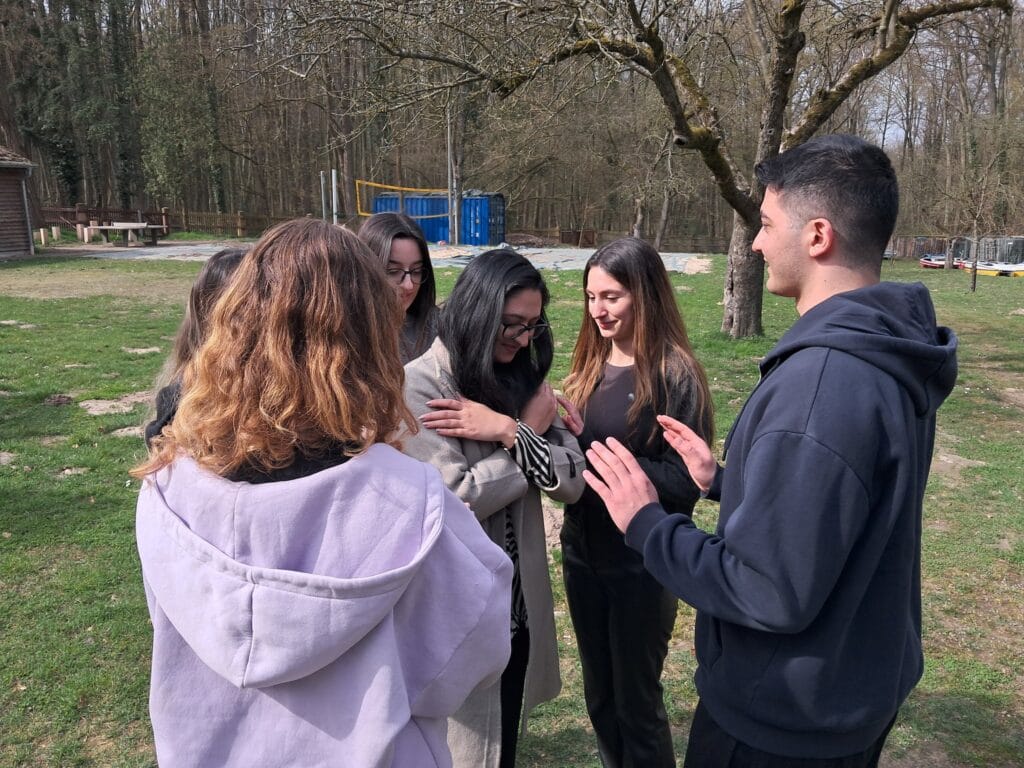
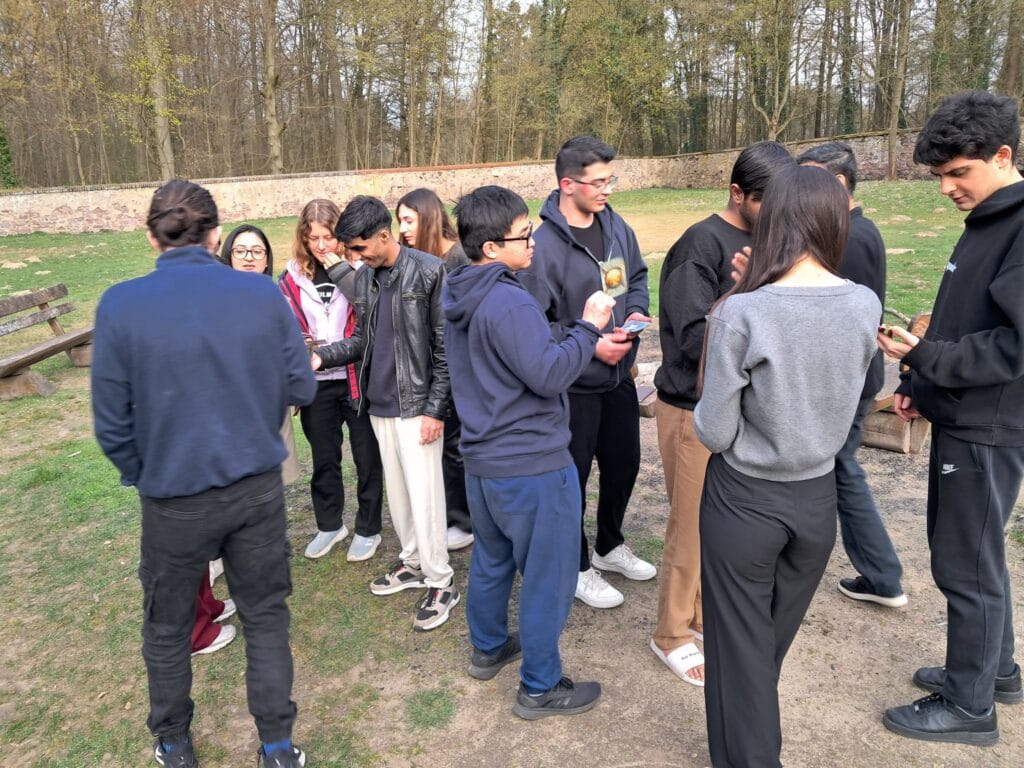
The first working day began with an icebreaker activity designed to create an open, friendly and collaborative atmosphere among the participants. Since the group included young people from different countries and backgrounds, the initial activities helped them get to know each other, build trust and feel comfortable working together.
The morning sessions introduced the concept of social change in a European context. Participants explored why collective action is important when addressing social, political and environmental challenges. They discussed the role of young people in shaping the future of Europe and reflected on how cooperation can help communities respond to complex problems.
The facilitators also presented examples of successful European projects that had created tangible change. These examples helped participants understand that European cooperation is not only an abstract concept, but a practical tool that can bring people together to solve real issues.
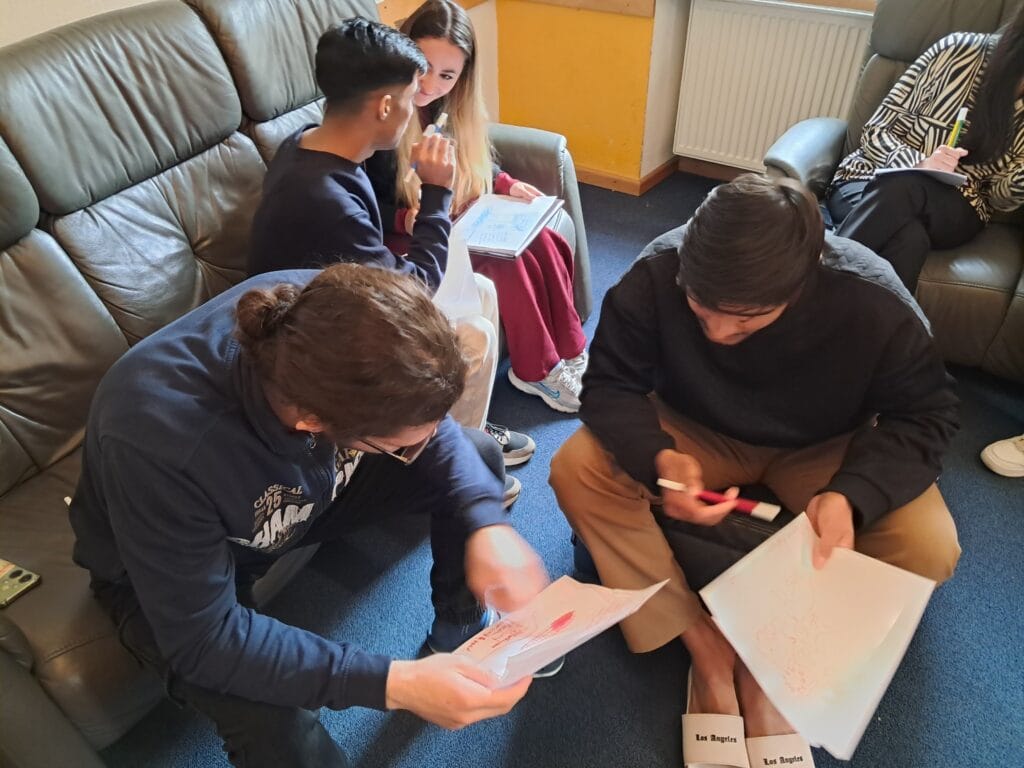
In the afternoon, participants worked in small groups to identify local or regional problems they wanted to address collectively. These discussions allowed them to compare the challenges faced in their own communities and to discover common concerns across countries. They also learned about the importance of teamwork, active listening, respect for different perspectives and the development of a shared vision for change.
By the end of the day, each group had started drafting an initial idea for a potential collaborative project in Europe.
Day 2: Building Collaborative Skills and Partnerships
The second day focused on the skills needed for effective collaboration. Participants took part in workshops on communication strategies, conflict resolution, leadership and negotiation techniques. These competences are essential for young people who want to work in international teams, especially when dealing with complex topics and diverse viewpoints.
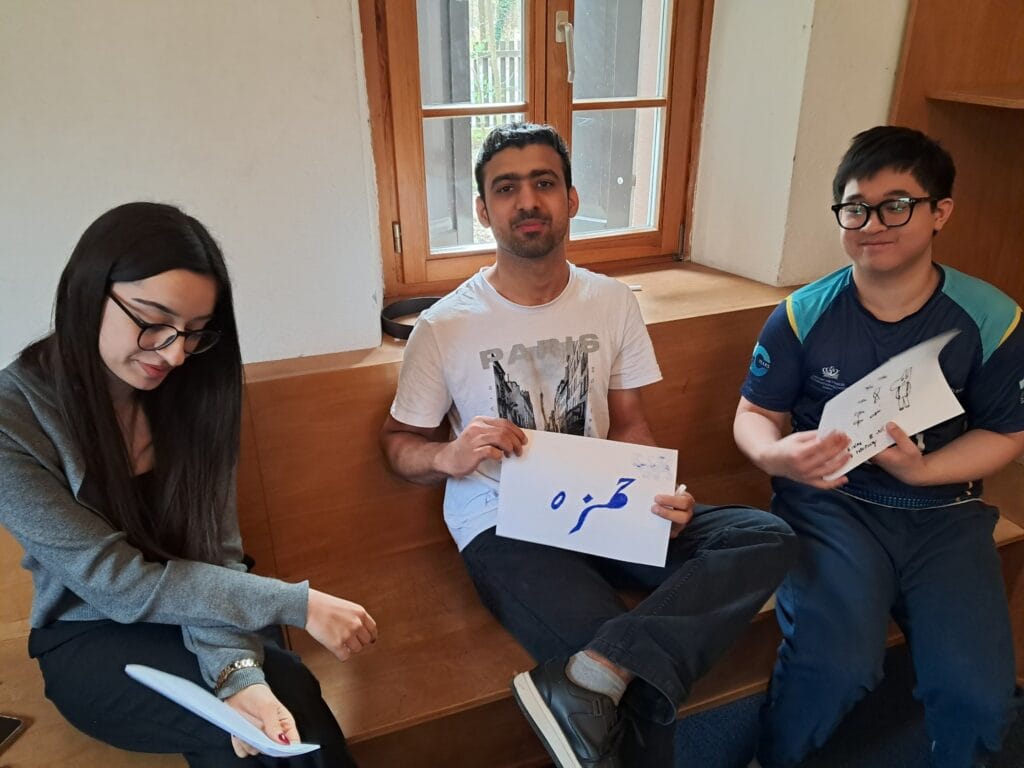
Through role-playing exercises and peer discussions, participants practised how to manage disagreements, how to communicate clearly and respectfully, and how to lead without dominating others. They also reflected on the importance of shared responsibility within a group and the need to create inclusive spaces where all voices can be heard.
In the afternoon, the focus shifted to partnership building. Participants learned how to identify potential allies and stakeholders for social change. These included European institutions, local organisations, youth groups, civil society actors and community representatives.
Each team refined its project idea by thinking about who could support the initiative, what resources would be needed and how partnerships could make the project stronger. This part of the programme helped participants understand that meaningful change often requires cooperation between different actors, not only individual motivation.
Day 3: Understanding the European Union and Its Role in Change
The third day was dedicated to understanding the European Union, its structure and its role in supporting youth initiatives and community projects. Participants learned about EU institutions, policies and funding opportunities relevant to young people, social innovation and grassroots action.
Experts provided an overview of European programmes that can support youth projects and community development. This helped participants understand how European structures can be used to transform local ideas into broader initiatives with international impact.
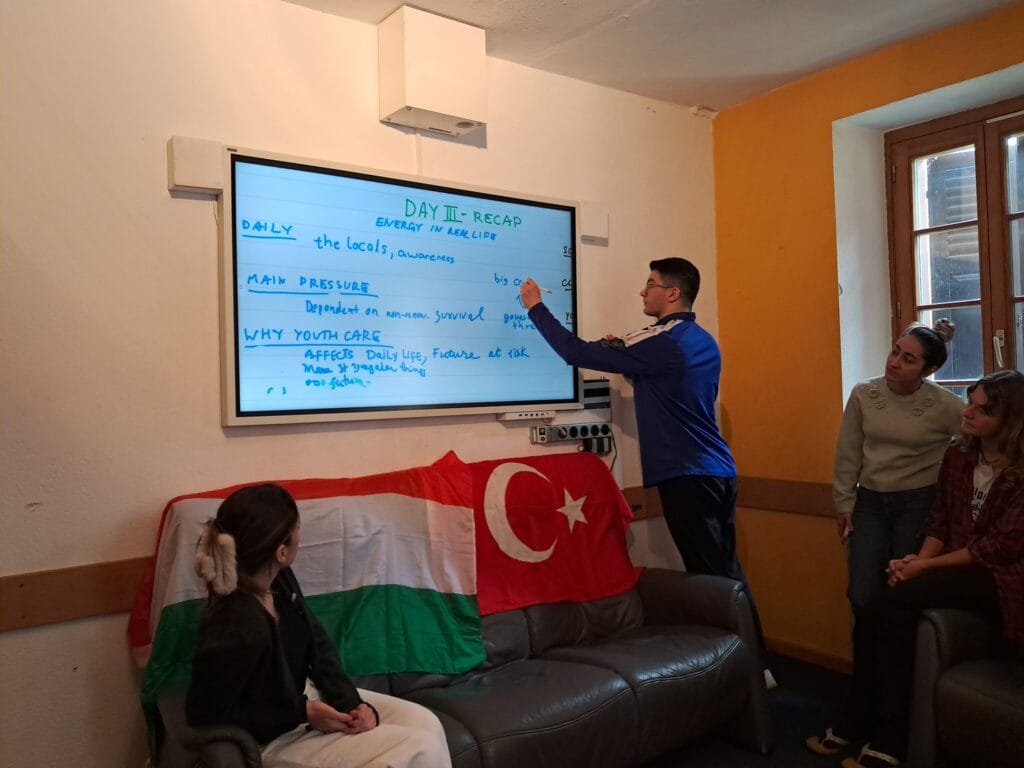
In the afternoon, participants took part in interactive activities exploring how EU policies and programmes can be connected to social change. Working in groups, they continued developing their project proposals and analysed how their ideas could align with European priorities and objectives.
They also discussed how to apply for grants, how to engage with policymakers and how to navigate the challenges of international cooperation. This day was particularly important because it connected participants’ ideas with concrete opportunities for implementation and sustainability.
Day 4: Developing and Presenting Collaborative Projects
On the fourth day, participants continued working on their collective projects. Each team focused on transforming its idea into a more structured and realistic proposal. They developed clearer goals, timelines, expected results and measurable outcomes.
Mentors supported the groups throughout the process, helping them improve the quality of their project plans and encouraging them to think critically about feasibility, impact and sustainability. Participants were asked to consider not only what they wanted to do, but also how they would do it, who would be responsible for each task and how they would measure success.
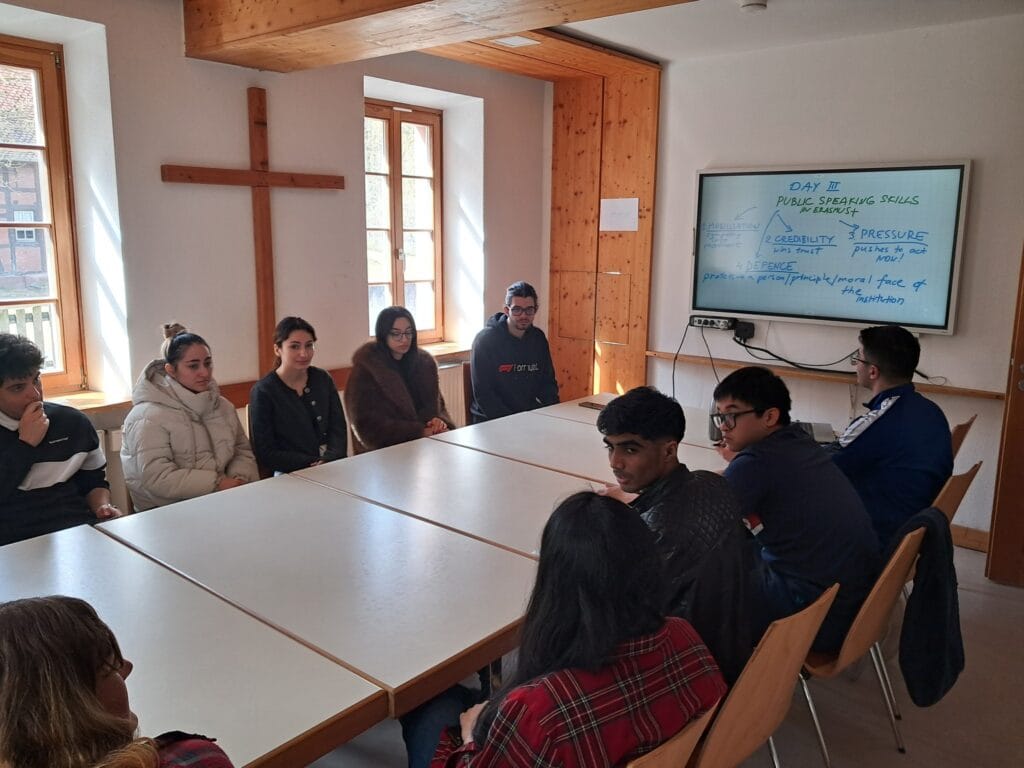
In the afternoon, each group presented its project proposal to the rest of the participants. The presentations were followed by constructive feedback sessions, where peers and mentors offered suggestions for improvement. This process helped participants practise public speaking, persuasive communication and critical reflection.
The presentation session also highlighted the importance of explaining ideas clearly to potential stakeholders, funders and community members. Participants learned that a good project idea needs to be communicated in a convincing and structured way in order to gain support.
Day 5: Action Planning and Future Steps
The final working day focused on turning project ideas into concrete actions. Participants learned about basic project management, setting realistic goals, defining responsibilities and ensuring the sustainability of their initiatives.
The sessions encouraged participants to remain committed to their project vision while also being flexible and adaptable when circumstances change. They discussed possible obstacles and ways to overcome them, as well as the importance of maintaining communication after the end of the mobility.
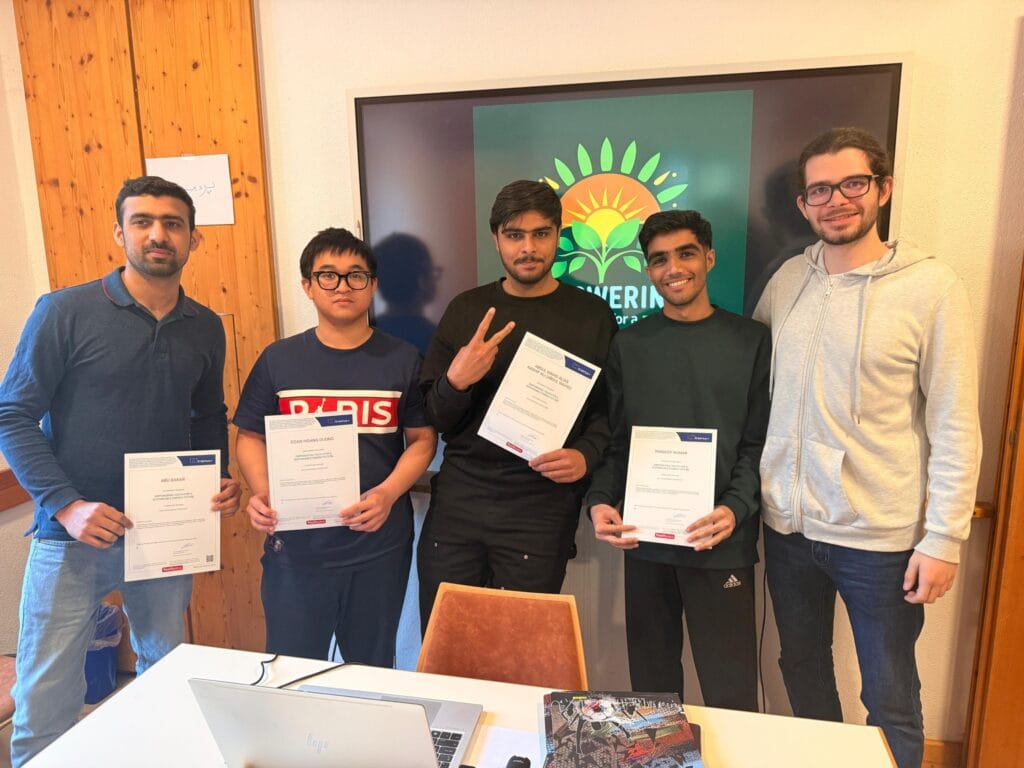
The workshop concluded with a reflection session. Participants shared their experiences, insights and lessons learned throughout the week. They reflected on how working together can create meaningful change and how international collaboration can continue beyond the physical event in Germany.
Each group finalised its action plan, outlining next steps, responsibilities and deadlines. This ensured that the learning process did not end with the workshop, but continued through follow-up activities and dissemination actions in the participants’ home countries.
Results and Impact
The workshop had a strong impact on participants by increasing their understanding of European cooperation, youth participation and collaborative problem-solving. Throughout the week, they developed practical skills in communication, leadership, conflict resolution, partnership building, project planning and presentation.
The event also strengthened intercultural dialogue between young people from Germany, Malta, Turkey and Hungary. Participants had the opportunity to learn from each other’s realities, compare local challenges and discover that many social, political and environmental issues are shared across borders.
One of the main results of the workshop was the development of collaborative project ideas and action plans. These outputs demonstrated the participants’ ability to transform discussions into concrete proposals and to think strategically about future implementation.
The activity also contributed to the wider goals of the Erasmus+ Programme by promoting active citizenship, European identity, inclusion, youth empowerment and transnational cooperation. Participants left the workshop with new knowledge, stronger motivation and a clearer understanding of how they can contribute to positive change in their communities and across Europe.
Conclusion
The Erasmus+ workshop “Empowering Youth for a Sustainable Energy Future – Creating Change by Working Together in Europe” was a meaningful learning experience that brought together young people from four European countries in Darmstadt, Germany. Through non-formal education, teamwork, intercultural exchange and practical project development, participants explored how cooperation can become a powerful tool for social change.
The event showed that young people have the creativity, motivation and capacity to address important challenges when they are given the right space, support and resources. By working together, learning from one another and building concrete action plans, the participants demonstrated that European collaboration can lead to sustainable and positive change.
The workshop ended on 29 March 2025, but its impact continues through dissemination activities, follow-up actions and the future initiatives developed by the participants. The experience strengthened the idea that creating change in Europe is possible when young people are empowered, connected and encouraged to act together.