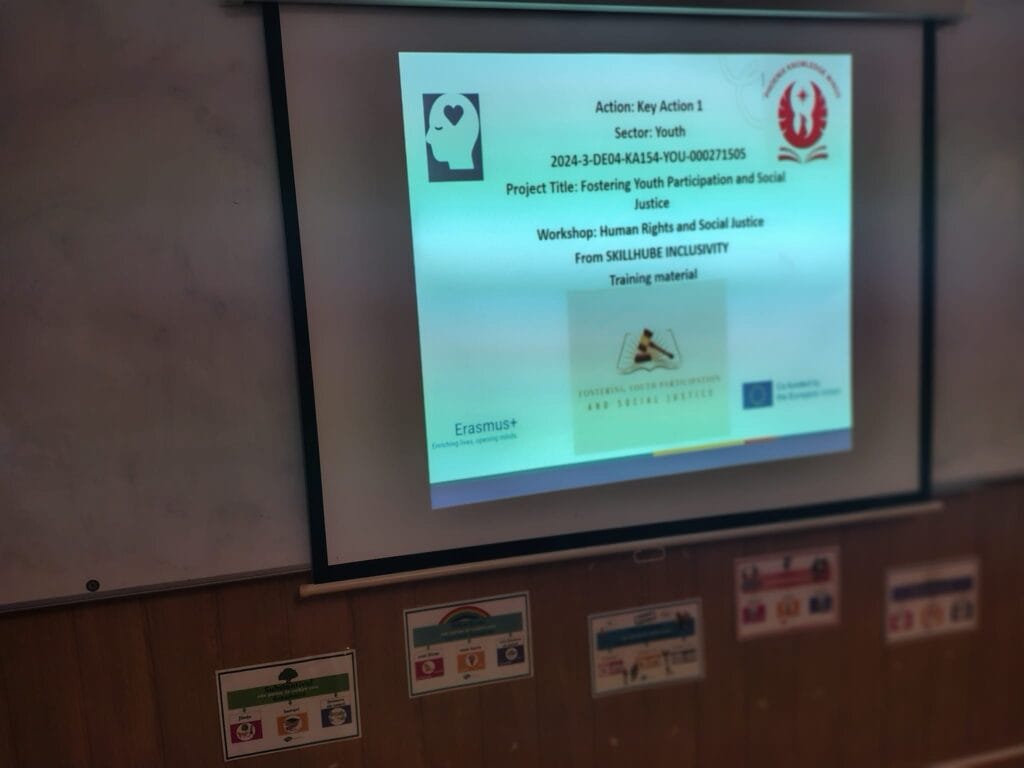
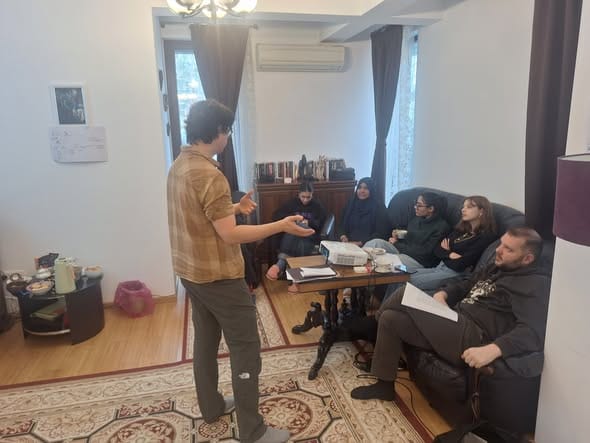
Human Rights and Social Justice Workshop in Iași, Romania
PROJECT NUMBER 2024-3-DE04-KA154-YOU-000271505
05–13 February 2026
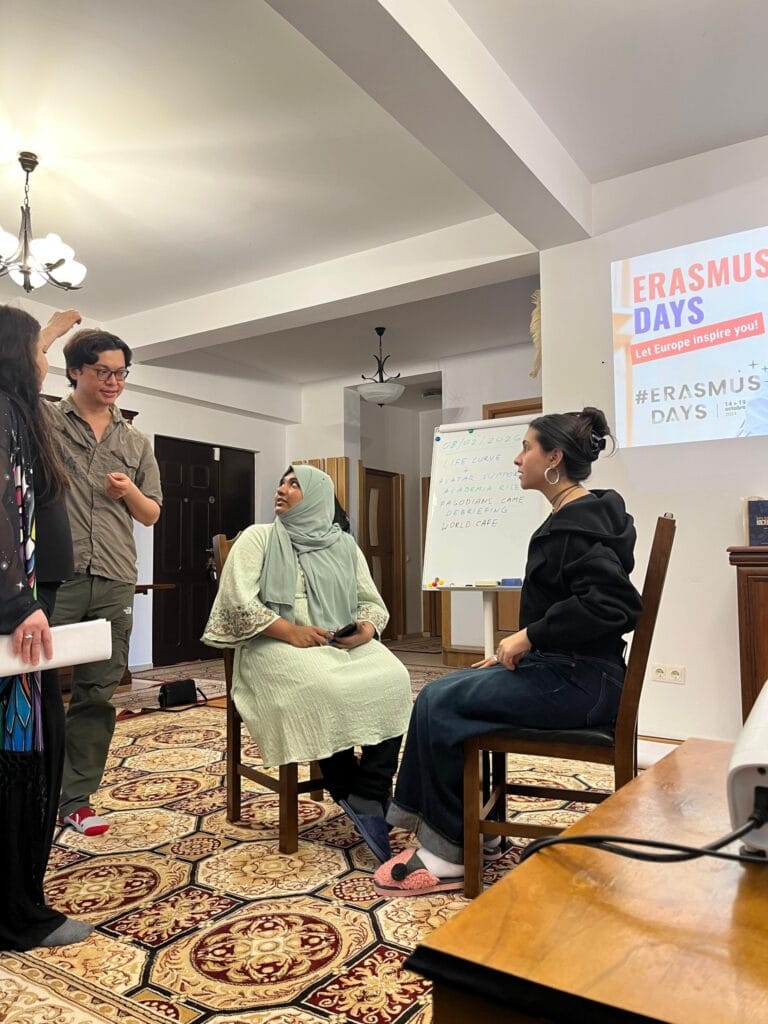
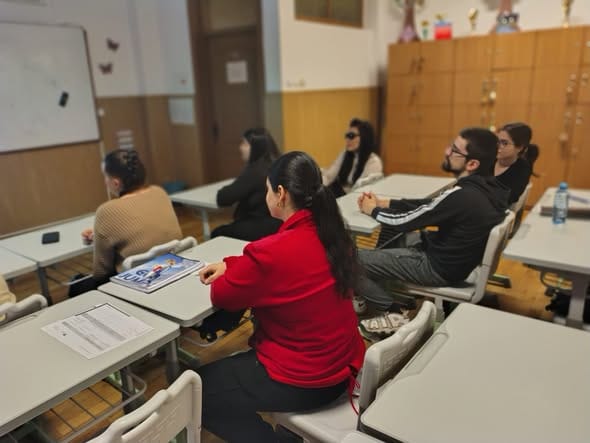
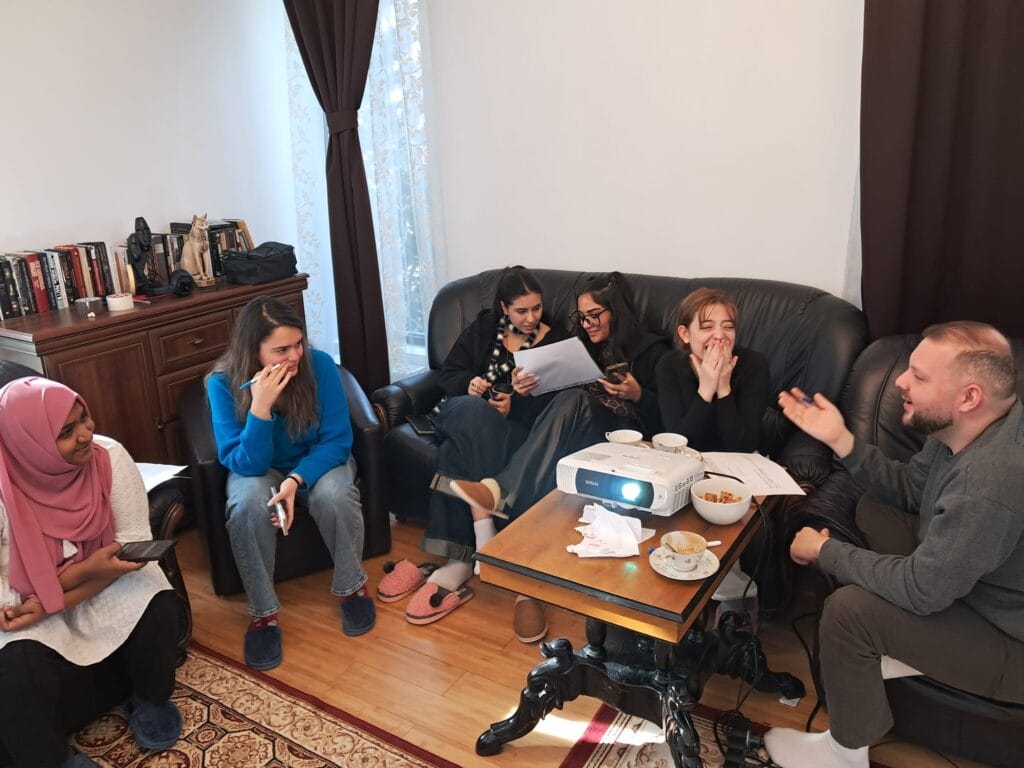
Between 5 and 13 February 2026, the city of Iași, Romania, became a space for learning, dialogue, reflection, and youth empowerment through the international mobility “Human Rights and Social Justice.” The activity brought together participants and youth workers from Germany, Hungary, Türkiye, and Romania, creating a multicultural environment where young people could explore human rights challenges, social justice principles, advocacy tools, and ways to become more active in their communities.
The 7-day programme was designed as an immersive learning experience, combining non-formal education, interactive workshops, group work, field visits, intercultural exchange, campaign development, and reflection. Its main purpose was to equip participants with knowledge, confidence, and practical skills to understand human rights issues and respond to social injustice through concrete community-based actions.
The workshop directly supported the project’s objectives by empowering young people to become advocates for human rights and social justice. It strengthened their understanding of global and local challenges, developed their leadership and advocacy skills, and provided them with practical tools to promote equality, dignity, inclusion, and justice in their own local contexts. Human Rights and Social Justice Workshop in Iași, Romania
“Human Rights and Social Justice”, a 7-day immersive learning programme designed to strengthen young people’s understanding of human rights, social justice, advocacy, and active citizenship. The activity brought together participants and youth workers from Germany, Hungary, Türkiye, and Romania, creating a diverse intercultural space for learning, dialogue, cooperation, and practical action.
The programme was developed to equip participants with a deeper understanding of human rights challenges at both global and local levels. Through interactive workshops, group activities, field visits, campaign development, reflection sessions, and intercultural exchange, participants explored how human rights principles can be transformed into concrete actions within their own communities. The workshop placed strong emphasis on the practical application of international human rights frameworks, advocacy tools, and community mobilization strategies.
The first day marked the official opening of the mobility in Iași. Participants were welcomed and introduced to the objectives, structure, and expected outcomes of the programme. Through interactive icebreakers and team-building activities, the group began to build trust, openness, and a supportive learning atmosphere. The day also introduced the fundamentals of human rights, with a focus on dignity, equality, fairness, and justice, using the Universal Declaration of Human Rights as a key reference point. Romanian participants played an important role in supporting the international participants, helping them adapt and feel welcomed in the local context.
During the second day, participants explored major human rights challenges such as gender inequality, discrimination, migration, minority rights, and social exclusion. Through case studies, discussions, and group presentations, they analyzed how these issues appear in different national and local contexts. The exchange of personal experiences and community realities helped participants understand both the diversity of challenges and the shared patterns of injustice that affect many societies.
The third day focused on human rights and legal frameworks. Participants examined European and international instruments for the protection of human rights and discussed how legal systems can both protect and sometimes fail vulnerable groups. Working in international teams, they identified legal and structural gaps affecting human rights in their own communities and began to reflect on possible advocacy strategies to address them.
A key turning point came on the fourth day, when the programme moved from analysis to action. Participants learned about advocacy techniques, including grassroots campaigning, lobbying, digital communication, stakeholder engagement, and public messaging. They then began designing their own human rights advocacy campaigns, selecting topics relevant to their communities and developing objectives, target groups, key messages, communication channels, and expected impact.
On the fifth day, participants connected theory with real-world practice through a field visit to a local organization in Iași. This experience allowed them to learn directly from professionals working in the field of human rights and social justice. The visit offered valuable insights into the daily challenges of advocacy work, community engagement, and the sustainability of social initiatives. The afternoon sessions helped participants reflect on what they had learned and consider how similar approaches could be adapted to their own local realities.
The sixth day was dedicated to the presentation of the advocacy campaigns developed throughout the workshop. Participants refined their ideas, improved their presentation skills, and pitched their campaigns to the group. The presentations demonstrated creativity, teamwork, critical thinking, and a strong commitment to promoting equality and justice. The day also included an intercultural component, where participants presented their countries, cultures, and traditional food, strengthening mutual understanding and friendship among the group.
The final day focused on reflection, evaluation, and future steps. Participants looked back on their learning journey, shared personal achievements, and discussed how they intended to continue their involvement in human rights initiatives after returning home. The evaluation session gave them the opportunity to provide feedback and contribute to the improvement of future activities. The workshop concluded with a certification ceremony, celebrating the dedication, participation, and growth of all participants.
Overall, the Human Rights and Social Justice Workshop in Iași directly supported the project’s objectives by empowering young people to become advocates for equality, dignity, and justice in their communities. The activity strengthened participants’ leadership, communication, critical thinking, and advocacy skills, while also fostering intercultural dialogue and active youth participation. By the end of the mobility, participants left Romania not only with new knowledge and practical tools, but also with confidence, motivation, and a shared commitment to creating positive social change.
The experience in Iași proved that human rights education is most powerful when it combines knowledge with action. Through collaboration, reflection, and practical campaign-building, young people demonstrated that they are ready to raise their voices, mobilize their communities, and contribute to a more inclusive and just society.
Day of Arrival – 05.02.2026
First Contact with Romania and the Beginning of the Mobility
The mobility began with the arrival of participants in Romania. Throughout the day, the international groups travelled to Iași, where they were welcomed by the hosting team and supported with all necessary practical information. The arrival day was important not only from an organizational perspective, but also as the first step in creating a friendly and welcoming atmosphere.
Participants checked in at the accommodation, received information about the local area, the programme structure, safety aspects, and the upcoming activities. Romanian participants and organizers played an important role in helping international participants feel comfortable, offering guidance and support with everything they needed.
The evening offered the first opportunity for informal interaction. Participants started to get to know each other, exchanged first impressions, and began building the connections that would later become the foundation of teamwork, intercultural learning, and friendship during the week.
Day 1 – Welcome to Iași: Building the Foundation
Creating Trust, Connection, and a Common Understanding of Human Rights
The first official day of the programme marked the beginning of the learning journey. Participants were welcomed to the workshop and introduced to the project context, objectives, methodology, and expected results. The atmosphere was open and positive, encouraging everyone to participate actively and contribute with their own experiences and perspectives.
The day focused on building a strong group dynamic. Through interactive icebreakers, team-building activities, and group discussions, participants gradually became more comfortable with one another. They shared expectations, hopes, and concerns, while also contributing to the creation of common group rules based on respect, openness, inclusion, and active listening.
A central part of the day was dedicated to introducing the foundations of human rights. Participants explored concepts such as dignity, equality, freedom, justice, fairness, non-discrimination, and responsibility. The Universal Declaration of Human Rights was presented as a cornerstone document, helping participants understand how human rights are connected to everyday life and to the protection of every person’s dignity.
The discussions encouraged participants to reflect on their own experiences and social realities. By the end of the day, the group had built a sense of trust and community, setting the stage for deeper learning and collaboration in the following days.
Day 2 – Understanding Human Rights Challenges
From Awareness to Critical Reflection
The second day invited participants to explore the complexity of human rights challenges at global, European, and local levels. The sessions focused on issues such as discrimination, gender inequality, migration, minority rights, racism, social exclusion, poverty, hate speech, unequal access to education, and barriers faced by vulnerable groups.
Through case studies, group work, and facilitated discussions, participants analyzed how these challenges appear in different societies and how they affect people’s lives. The international composition of the group made the exchange especially valuable, as participants compared realities from their own countries and communities.
One of the most meaningful parts of the day was the activity in which participants identified human rights issues from their local contexts. Each group presented challenges they had observed or experienced in their communities, creating a powerful space for mutual learning. This exchange helped participants understand that, although contexts may differ, many struggles are shared across borders.
The day also introduced examples of social justice movements and youth activism. Participants reflected on how collective action, solidarity, and civic engagement can influence public opinion, challenge injustice, and contribute to social change. The sessions helped them understand that awareness is the first step, but action is necessary to create impact.
Day 3 – Human Rights and Legal Frameworks
Understanding Rights, Responsibilities, and Protection Mechanisms
The third day focused on the legal dimension of human rights. Participants explored how human rights are protected through international, European, and national frameworks. They learned about key instruments such as the Universal Declaration of Human Rights, European human rights mechanisms, and broader legal structures designed to protect fundamental freedoms and dignity.
The sessions helped participants understand the relationship between human rights, laws, institutions, and citizens. They discussed how legal protections are implemented in practice and reflected on the gap that can exist between written rights and the reality experienced by individuals and communities.
A comparative approach allowed participants to examine how human rights protections function in different countries. They discussed both positive examples and existing limitations, gaining a deeper understanding of the importance of legal awareness for active citizenship and advocacy.
In the second part of the day, participants worked in international teams to identify legal, institutional, and structural gaps affecting human rights in their own contexts. With the support of facilitators and mentors, they began to think critically about how these gaps could be addressed through advocacy, awareness-raising, and community action.
This day strengthened participants’ critical thinking and helped them see legal knowledge not as something distant or abstract, but as a practical tool for defending rights and challenging injustice.
Day 4 – Advocacy and Campaign Building
Turning Ideas into Action
The fourth day marked an important transition in the programme. After several days of learning and analysis, participants began moving from understanding problems to designing solutions. The focus of the day was advocacy and campaign development.
Participants explored different advocacy techniques, including grassroots initiatives, lobbying, digital campaigning, public communication, storytelling, stakeholder engagement, and cooperation with decision-makers. They discussed how young people can raise awareness, mobilize communities, and influence change by using clear messages and well-planned actions.
The workshop encouraged participants to think strategically. They learned how to identify a problem, define a target group, formulate objectives, choose communication channels, build partnerships, and plan activities that can create real impact.
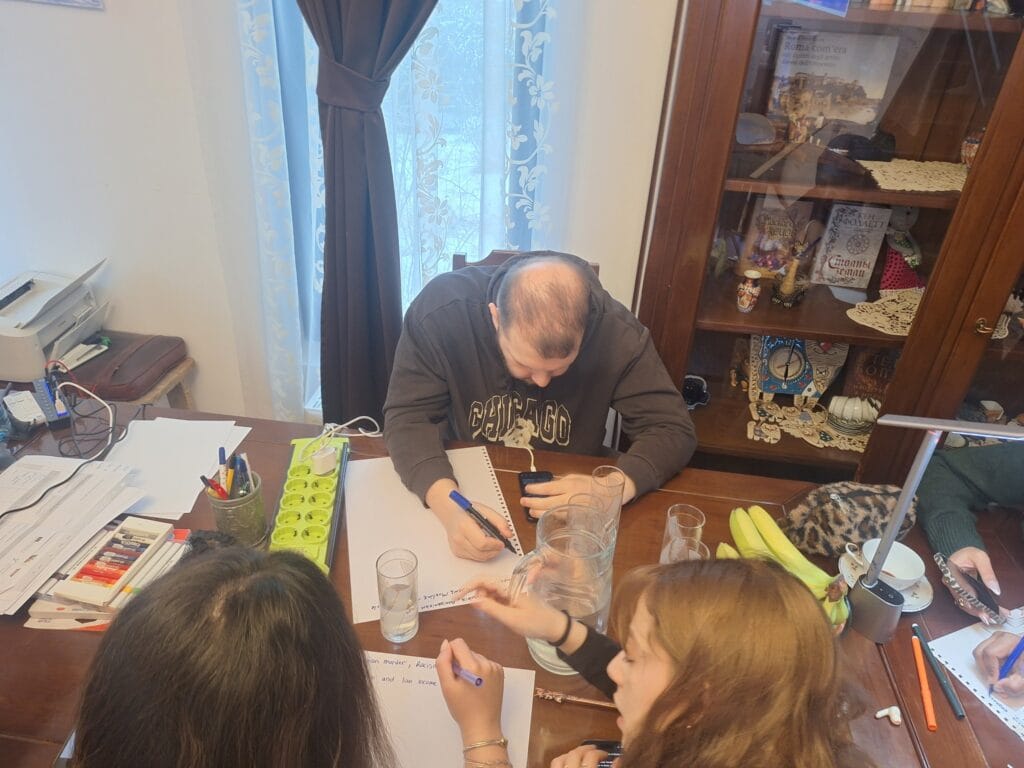
Working in diverse international teams, participants began designing their own human rights advocacy campaigns. They selected topics relevant to their communities and transformed their concerns into concrete campaign ideas. The process encouraged creativity, cooperation, and leadership, while mentors provided feedback and guidance to help teams strengthen their proposals.
By the end of the day, the participants had taken important steps toward becoming active changemakers, proving that young people can move from reflection to action when they are given the right tools and support.
Day 5 – Real-World Human Rights in Action
Learning from Local Practice in Iași
The fifth day connected the learning process with real-world practice. Participants took part in a field visit to a local organization in Iași working in areas connected to human rights, social justice, inclusion, community development, or support for vulnerable groups.
This visit offered participants the opportunity to learn directly from professionals and practitioners involved in social work and advocacy. They discovered how local organizations identify community needs, support people facing discrimination or exclusion, raise awareness, cooperate with institutions, and promote positive social change.
The dialogue with local professionals helped participants better understand the daily realities of human rights work. They discussed challenges such as limited resources, advocacy barriers, community trust, sustainability, and the importance of cooperation between NGOs, public institutions, youth workers, and citizens.
After the visit, participants reflected on what they had learned and how these experiences could be adapted to their own communities. The afternoon activities focused on community mobilization and practical tools for building networks, engaging stakeholders, and creating long-term impact.
The day was a powerful reminder that human rights advocacy is not only about ideas and principles, but also about consistent work, commitment, empathy, and action at community level.
Day 6 – Campaign Presentations and Intercultural Day
Youth Voices for Change
The sixth day was dedicated to finalizing and presenting the advocacy campaigns developed throughout the workshop. Participants worked in teams to refine their ideas, improve their messages, prepare their visual materials, and strengthen their public speaking skills.
Each group presented its human rights advocacy campaign, explaining the problem addressed, the target group, the objectives, the planned activities, the communication strategy, and the expected impact. The diversity of topics and approaches reflected the richness of the participants’ perspectives and the different realities they came from.
The presentations showed creativity, teamwork, critical thinking, and a genuine desire to contribute to positive change. Participants demonstrated that they had not only understood the concepts discussed during the week, but were also capable of applying them in practical and meaningful ways.
The feedback session was constructive and encouraging. Participants received suggestions from peers and facilitators, helping them further improve their campaigns and gain confidence in their ability to implement similar initiatives after returning home.
The day also included an intercultural component, where participants presented their countries, cultures, traditions, and food. This intercultural exchange strengthened mutual understanding, friendship, respect, and cooperation among the group. It reminded participants that social justice is also built through dialogue, empathy, and appreciation of diversity.
Day 7 – Closing, Reflection, and Future Steps
From Learning Experience to Community Action
The final working day of the programme was dedicated to reflection, evaluation, and future planning. Participants looked back on the entire learning journey and identified the most important knowledge, skills, attitudes, and personal insights gained during the week.
The reflection activities encouraged participants to recognize their personal growth, meaningful moments, challenges overcome, and new perspectives developed throughout the mobility. Many participants highlighted the importance of teamwork, intercultural dialogue, legal awareness, advocacy skills, and the confidence gained through campaign development.
A key focus of the day was future action. Participants discussed how they could use the knowledge and tools acquired in Iași after returning to their communities. They reflected on how their campaign ideas could be adapted, continued, or transformed into local initiatives, awareness activities, youth-led actions, or cooperation with organizations and institutions.
The evaluation session gave participants the opportunity to provide feedback on the programme content, methodology, organization, facilitation, logistics, and overall impact. Their voices contributed to improving future activities and confirmed the value of participatory and non-formal learning methods.
The workshop concluded with a certification ceremony, celebrating the dedication, involvement, creativity, and active participation of all attendees. The closing moments were emotional and inspiring, marked by gratitude, friendship, and a strong sense of shared commitment.
Participants left the programme not only with new knowledge and skills, but also with motivation, confidence, and a clear understanding that they can play an active role in promoting human rights and social justice.
Day of Departure – 13.02.2026
Returning Home with New Skills, Ideas, and Motivation
The final day was dedicated to departure from Romania. Participants checked out from the accommodation and travelled back to their home countries, supported by the hosting team with logistical guidance and final practical information.
Although the mobility in Iași came to an end, the learning process continued beyond the physical activity. Participants returned home with stronger knowledge of human rights, practical advocacy tools, campaign ideas, intercultural friendships, and renewed motivation to act in their communities.
The departure day also marked the beginning of the follow-up phase. Participants were encouraged to share their experiences with peers, disseminate the results of the mobility, continue developing their advocacy campaigns, and remain engaged in youth participation and social justice initiatives.
Conclusion
The Human Rights and Social Justice Workshop in Iași, Romania was a meaningful and transformative experience for all participants. Through interactive learning, legal education, field visits, advocacy training, campaign development, intercultural exchange, and reflection, the programme empowered young people to better understand injustice and to take action against it.
The activity contributed directly to the project’s goal of fostering active citizenship and youth participation in social justice movements. It strengthened participants’ ability to analyze human rights challenges, communicate effectively, cooperate in international teams, design advocacy initiatives, and mobilize their communities.
Iași became a place where young people learned that human rights are not only legal principles, but living values that must be protected, promoted, and defended every day. The workshop showed that when young people are given knowledge, space, and support, they can become powerful voices for equality, dignity, inclusion, and justice.
#ErasmusPlus #HumanRights #SocialJustice #YouthEmpowerment #ActiveCitizenship #YouthParticipation #Iași #Romania